Knowledge
Importing Chinese fresh fruit into Southeast Asia: documents and buyer questions
Southeast Asian markets do not share one import rulebook. This guide separates the Chinese export side from the destination import side, lists the documents buyers usually request, and sets out the questions to confirm with the importer and the competent authority.
Two sets of requirements, and neither answers for the other
A shipment must satisfy the Chinese export requirements and the destination country's plant-health and import requirements. A registration, certificate or permit on one side does not establish compliance on the other.
The Chinese exporter can provide the export-side documents and the lot information. The importer is responsible for confirming the destination's current requirements, the import permit and the conditions attached to it. Confirm both sides for the specific fruit, orchard, packhouse and destination before the container is booked.
Documents a buyer usually asks for
A typical request includes a phytosanitary certificate, an import permit or licence where the destination requires one, a commercial invoice, a packing list, the bill of lading, a certificate of origin where a preferential tariff is claimed, and any laboratory or residue report the buyer or destination requires.
The exact list depends on the fruit, the destination and the buyer's own programme. Ask the competent authority and the importer for the current list rather than relying on a template from another market. A certificate of origin is not a phytosanitary certificate, and neither one is an import permit.
Packing and cold chain are part of the import file
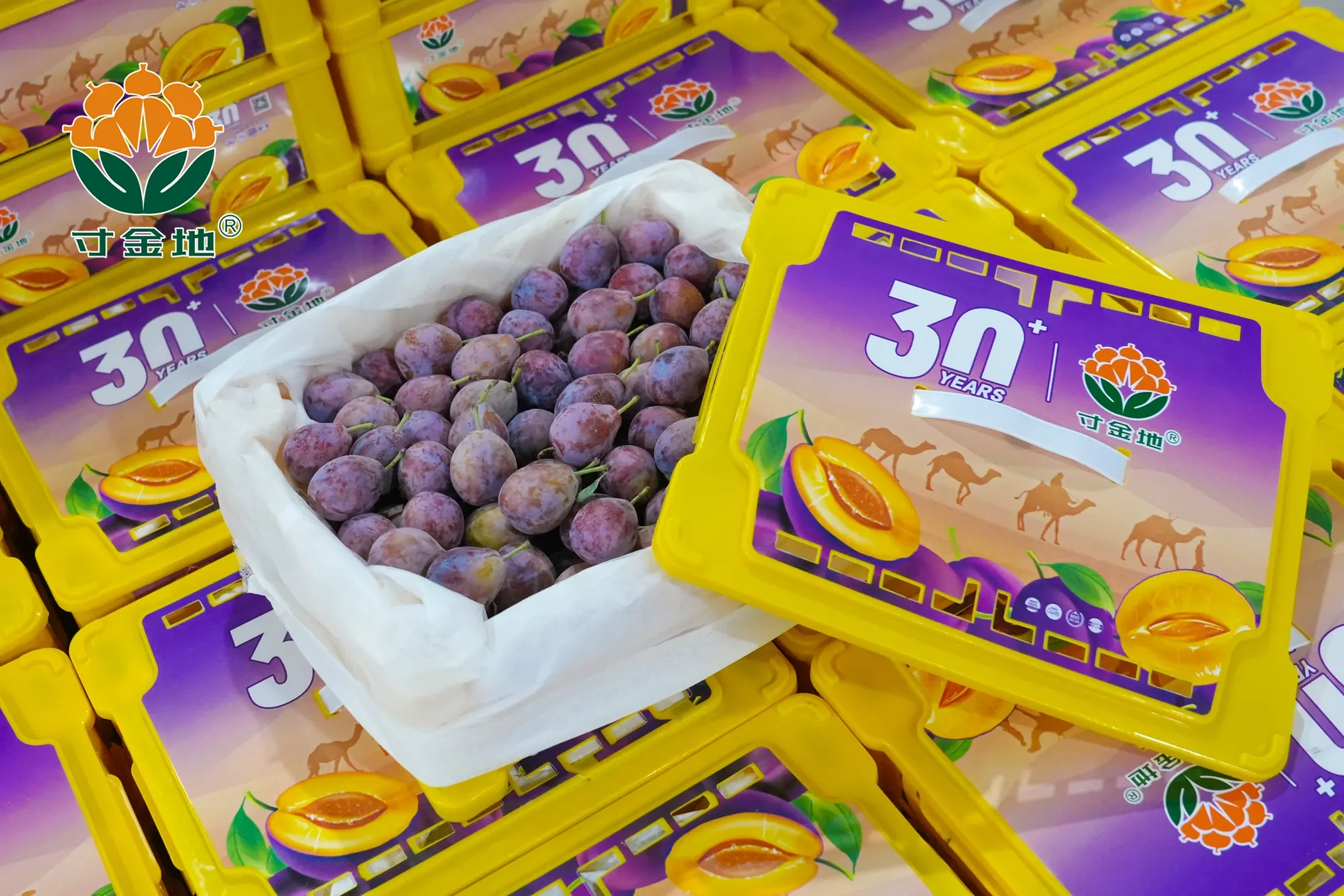
The pack format, net weight, pallet configuration, pre-cooling and transit temperature should be agreed before the shipment. A destination inspection is easier when the carton labelling, the lot identification and the packing list agree.
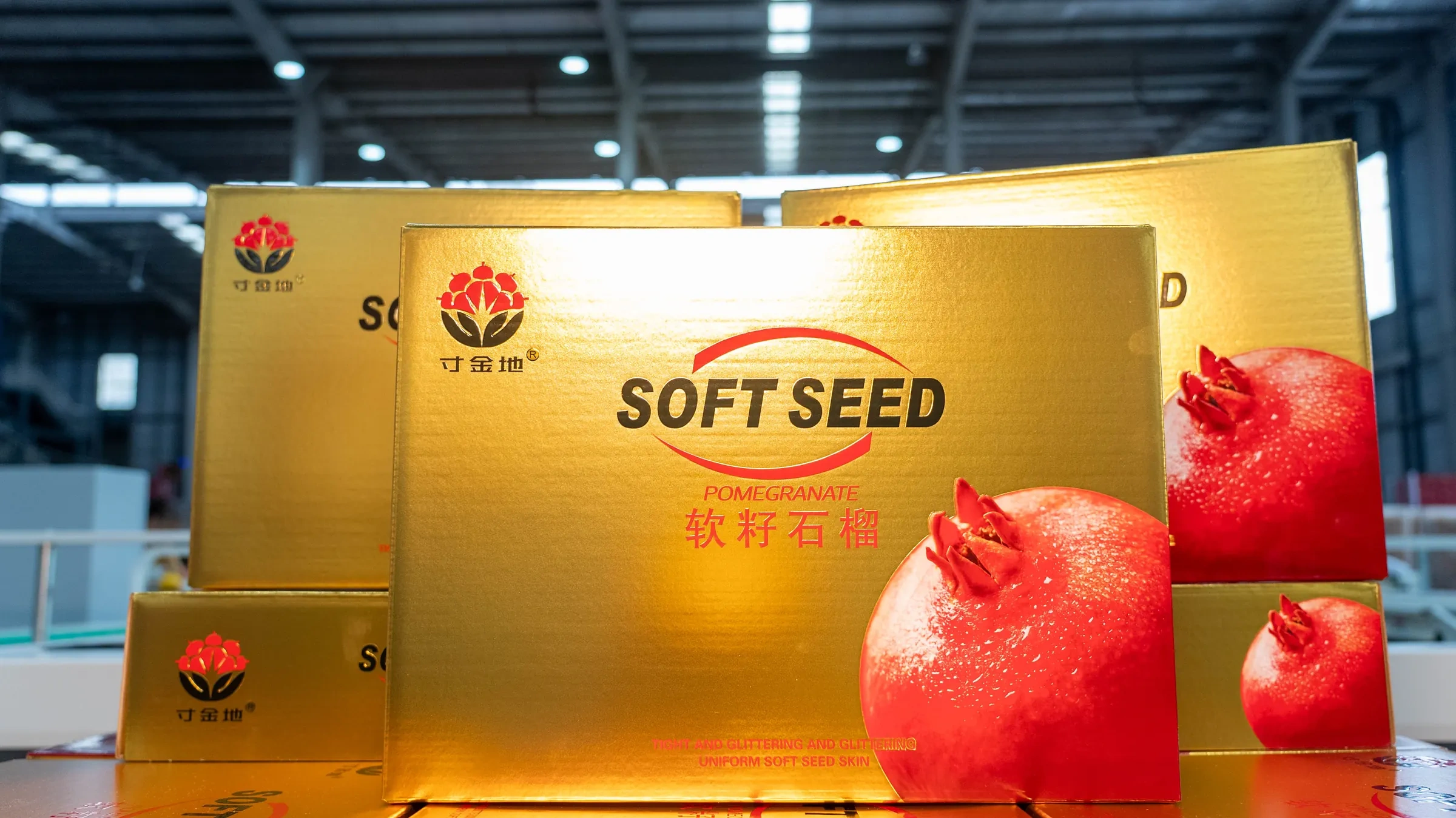
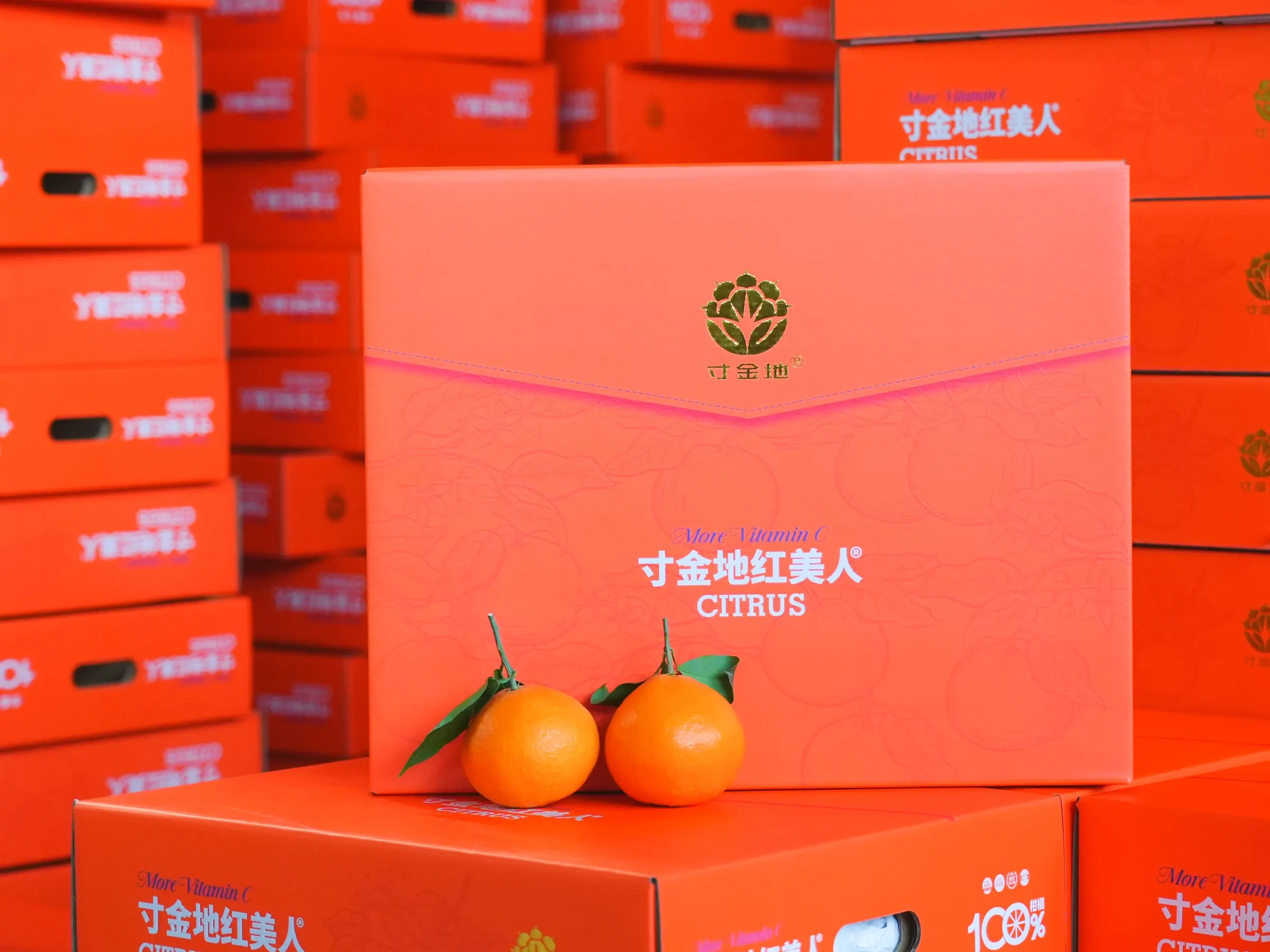
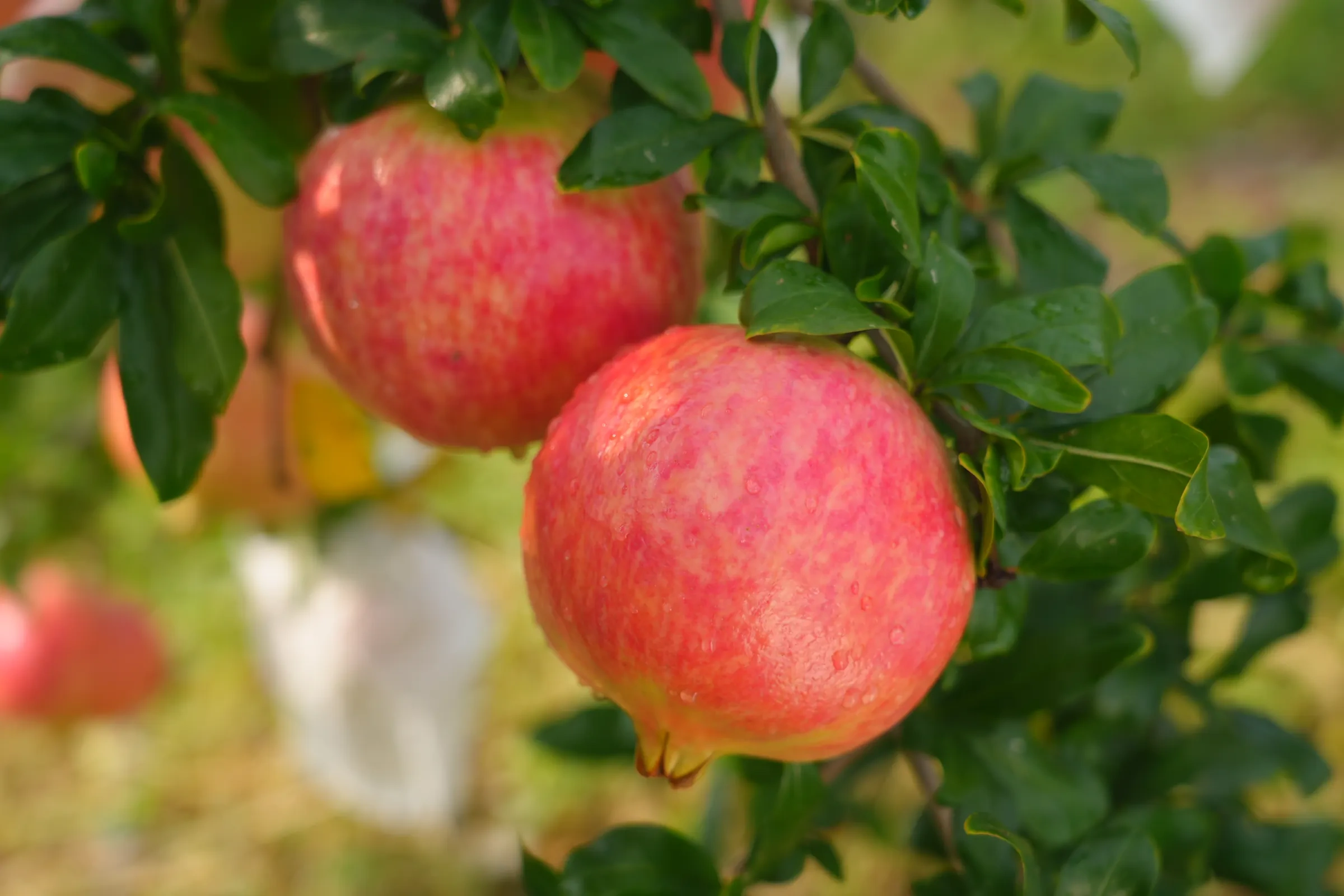
For pomegranate and citrus, the cold-chain set points and the receiving-point responsibilities should be written into the RFQ. The Cunjindi knowledge library has separate notes on cold-chain and packing questions; use them as a checklist, not as a substitute for the destination's rules.
What to confirm before booking
Confirm the fruit line and variety, grade or size, packing, quantity, destination port, target arrival month, Incoterm and payment term. Confirm the exporter's registration and the certificate scope, and confirm the destination's current import conditions. If any of those is still open, the shipment is not ready.
A trial quantity is a reasonable way to test grade, packing and arrival condition before a larger programme. It does not remove the need for the import documents or the destination checks.
Why the answer is market-specific
Southeast Asia is not one regulatory market. The competent authority, the permit process and the documentation can differ between countries and can change. The exporter can support the file, but the importer and the destination authority decide what is required.
Use this guide to prepare the questions and the document checklist. Confirm the current rules for your market, your fruit and your supplier before the order is placed.
A document checklist in the order it is usually assembled
Start with the buyer's import permit or licence and the destination's plant-health requirements. Then match the supplier's export registration and the lot details. The commercial documents follow: invoice, packing list, bill of lading and certificate of origin. The phytosanitary certificate is issued against the actual consignment, so the fruit, quantity, orchard and packhouse details must be consistent across the file.
Keep the names and addresses identical across the invoice, the packing list, the bill of lading and the certificate. A spelling difference between the consignee and the importer can stop a release. If a laboratory report or a residue test is required, book it early enough for the result to travel with the shipment.
Working with the importer
The importer knows the destination authority, the broker and the local inspection process. The exporter knows the fruit, the packhouse and the export documents. A good first shipment is a handover between those two knowledge sets, not a one-sided promise.
Agree who books the freight, who clears the port, who pays the destination charges and who holds the import permit. Those points belong in the Incoterm and the contract, not in an informal message after the container has sailed. If the buyer is new to importing, ask the importer to confirm the process in writing before the order is placed.
Common gaps that delay a shipment
The most common gaps are a missing or mismatched import permit, a phytosanitary certificate that does not match the consignment, a certificate of origin that does not support the tariff claim, and a packing list that does not match the pallet count. None of them is a fruit-quality problem; all of them can stop the shipment.
A second group is commercial: the payment term is agreed late, the label artwork is approved after packing, or the destination inspection point is not defined. Build a checklist with the importer and close each item before the vessel booking. The checklist is not bureaucracy; it is the difference between a trial that arrives and a trial that sits.