Knowledge
HS codes for Chinese fresh pomegranate, citrus and prunes
Fresh pomegranate: HS 0810.90 (China 0810909090). Chunjian, Ehime and Kanpei mandarins: 0805.29, though some brokers use 0805.21. Fresh prune: 0809.40. The table below adds the EU and EAEU lines. The importer makes the declaration, so confirm the code with your customs broker before the first shipment.
Six digits are shared, the rest are national
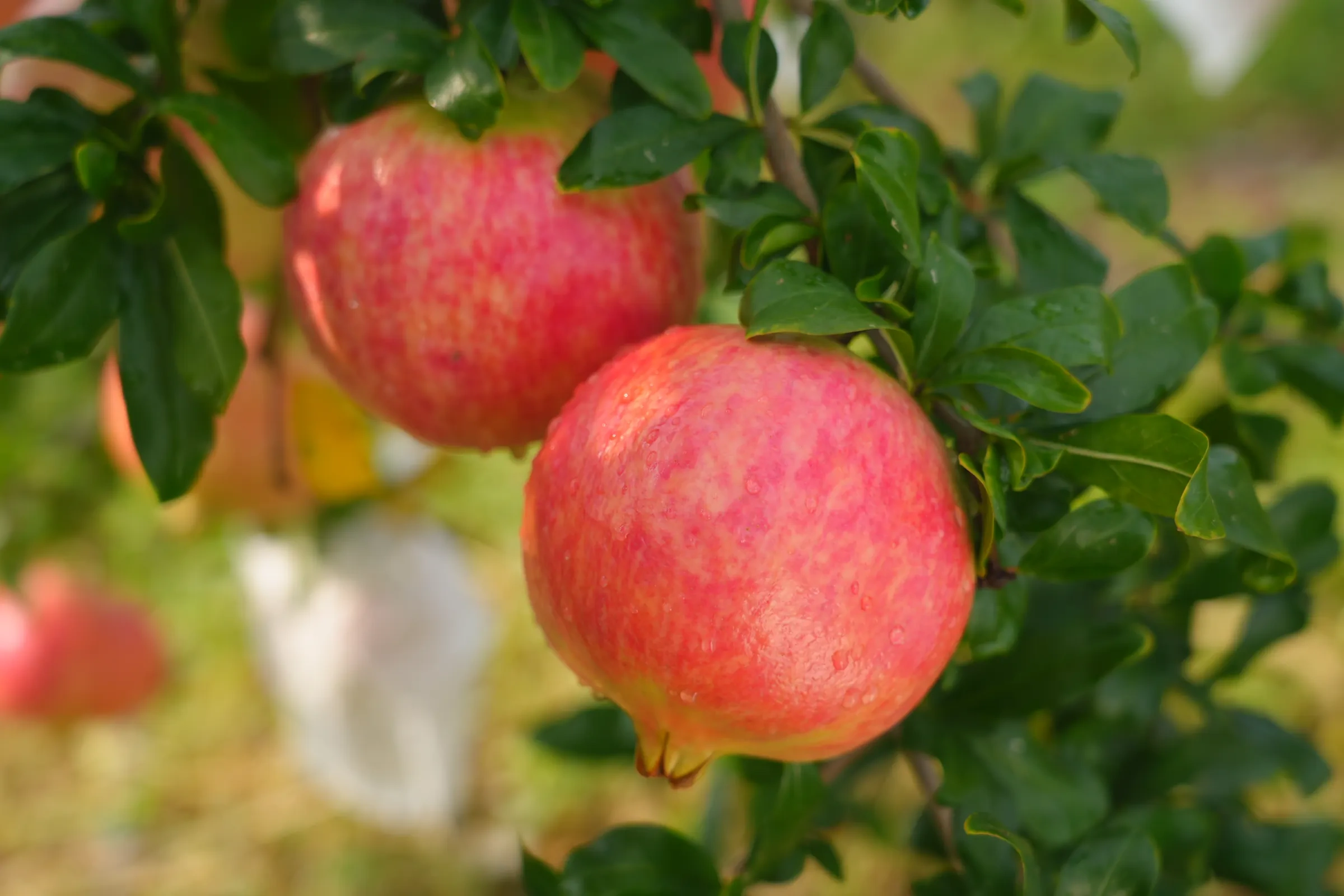
The first six digits of a tariff code come from the World Customs Organization’s Harmonized System and are the same in every member country. Fresh pomegranates fall under 0810.90, “other fruit, fresh”. Fresh plums and prunes are 0809.40. Mandarins, including tangerines, are 0805.21, and 0805.29 covers wilkings and similar citrus hybrids.
Everything after the sixth digit is national. China’s export declaration uses a 10-digit line plus a three-digit inspection (CIQ) suffix; the EU uses an 8-digit Combined Nomenclature code; the Eurasian Economic Union (Russia, Kazakhstan, Belarus, Armenia, Kyrgyzstan) uses a 10-digit TN VED code. The Gulf states publish their own national extensions under the six-digit heading.
The hybrid citrus question
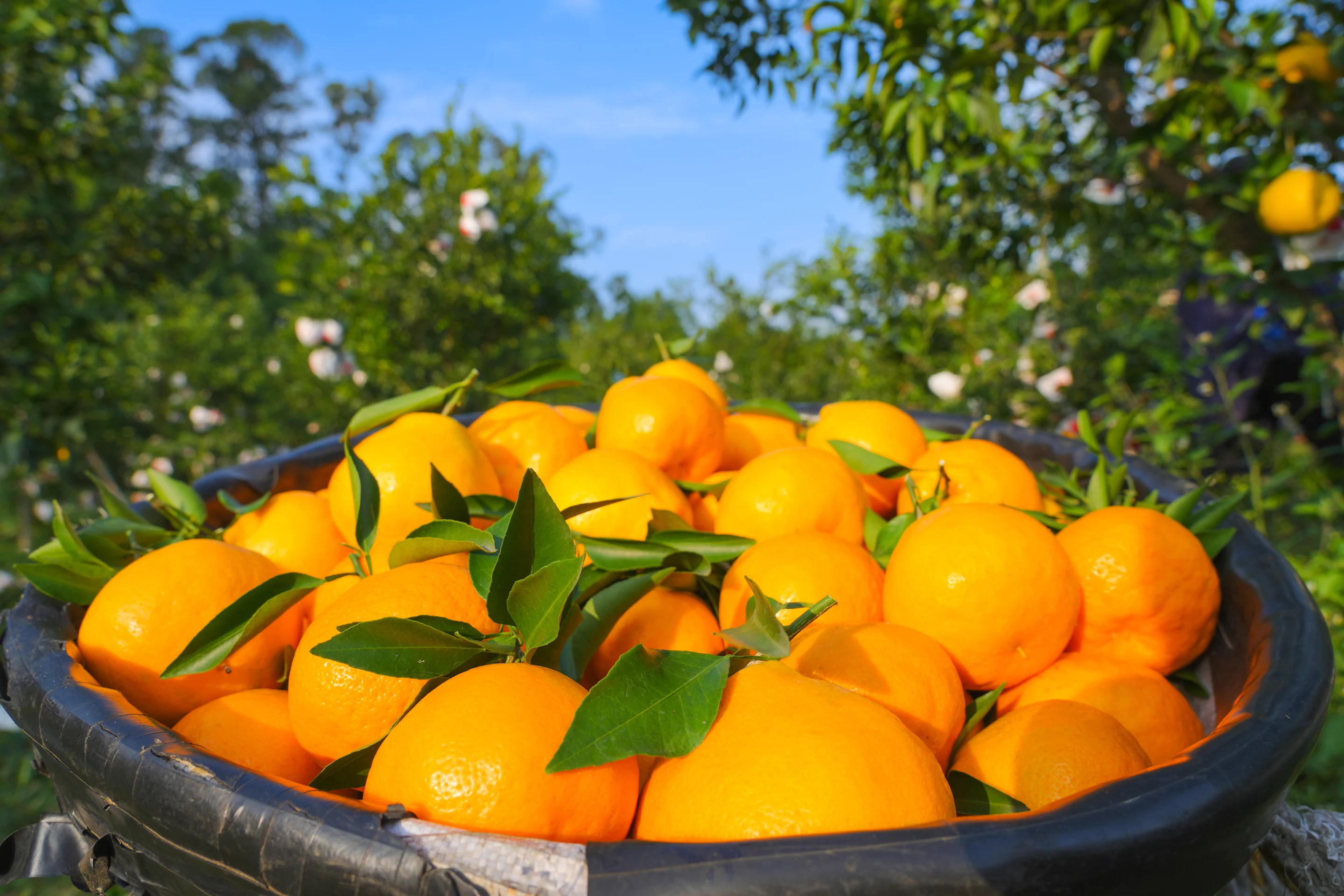
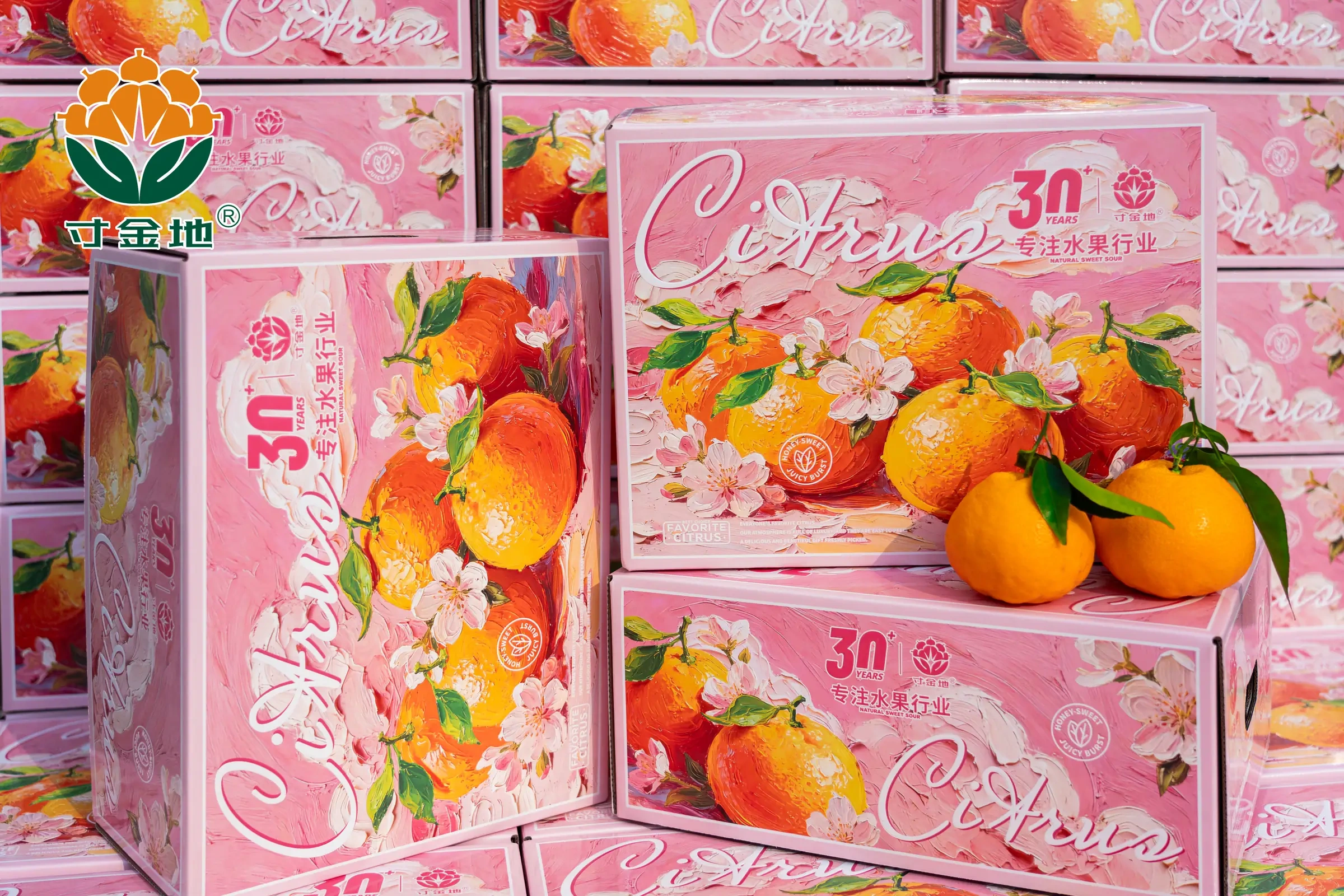
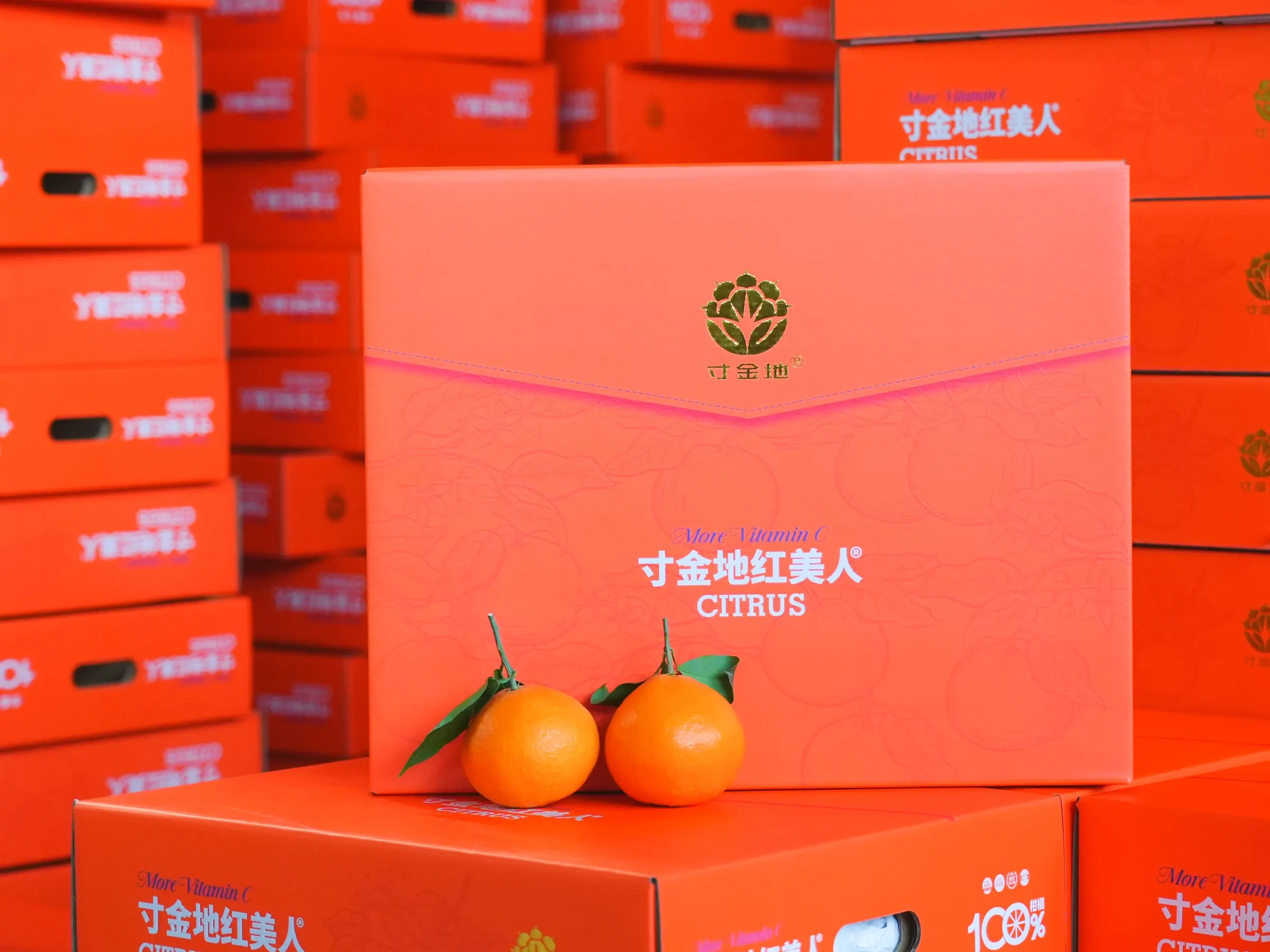
Chunjian, Ehime No.38 and Kanpei are hybrid-type mandarins. Customs practice differs on whether such fruit is declared as a mandarin (0805.21) or as a hybrid (0805.29), and the two lines can carry different duties and import conditions. Choose one line per fruit with your customs broker and keep it identical on the invoice, the phytosanitary certificate and the import declaration.
Pomegranate has no line of its own in China’s 081090 list: it is declared under 0810909090, “other fresh fruit”, with inspection code 109 naming the pomegranate. Fresh prunes go under 0809400090; 0809400010 is reserved for ume and should not be used.
Codes are not permissions
A tariff line tells customs what the goods are and which duty applies. It does not say whether the fruit may enter. Market access for fresh fruit is a plant-health question, settled by the importing country’s plant protection authority. Read our notes on export registration and on Gulf market access before you contract.
Where the code appears on an export file
On the Chinese side the code goes on the customs export declaration and is checked against the phytosanitary certificate issued for the consignment. The commercial invoice and packing list should repeat the same six-digit heading and the same description of the goods: “fresh pomegranates”, “fresh mandarins” or “fresh plums”, with the variety and origin. A mismatch between the invoice description and the certificate is one of the most common reasons for questions at the border.
On the importing side your broker files the national code. If your market has a preferential tariff for Chinese goods, the certificate of origin has to name the same heading, so agree it before we issue the documents rather than after the vessel sails.
What to send your broker
Send the fruit name, the variety, whether it is fresh or processed, the packing and the country of origin, together with the table above. For citrus, add a photograph and the variety description, because the mandarin or hybrid decision depends on the fruit itself. We can supply the variety notes and the packing list in draft so that your broker can rule on the code before you contract.
Tariff lines by fruit line
Read every row with the note under the table: the classification is confirmed with your customs broker for the actual shipment.
| Fruit line | HS (WCO, 6-digit) | China export line | EU CN | EAEU TN VED and base rates |
|---|---|---|---|---|
| Soft-seed Pomegranate | 0810.90 | 0810909090 (CIQ 109: pomegranate) | 0810 90 75 | 0810 90 750 0 (base duty 5%, import VAT 10%) |
| Black Diamond Pomegranate | 0810.90 | 0810909090 (CIQ 109: pomegranate) | 0810 90 75 | 0810 90 750 0 (base duty 5%, import VAT 10%) |
| Ehime No.38 Jelly Orange | 0805.29 (other citrus hybrids); some brokers declare under 0805.21 | 0805290000 (some brokers declare under 0805219000) | 0805 21 90, or 0805 29 00 for hybrids | 0805 21 000 0 (base duty 5%, at least EUR 0.015 per kg; import VAT 10%), or 0805 29 000 0 |
| Chunjian Tangerine | 0805.29 (other citrus hybrids); some brokers declare under 0805.21 | 0805290000 (some brokers declare under 0805219000) | 0805 21 90, or 0805 29 00 for hybrids | 0805 21 000 0 (base duty 5%, at least EUR 0.015 per kg; import VAT 10%), or 0805 29 000 0 |
| Kanpei Citrus | 0805.29 (other citrus hybrids); some brokers declare under 0805.21 | 0805290000 (some brokers declare under 0805219000) | 0805 21 90, or 0805 29 00 for hybrids | 0805 21 000 0 (base duty 5%, at least EUR 0.015 per kg; import VAT 10%), or 0805 29 000 0 |
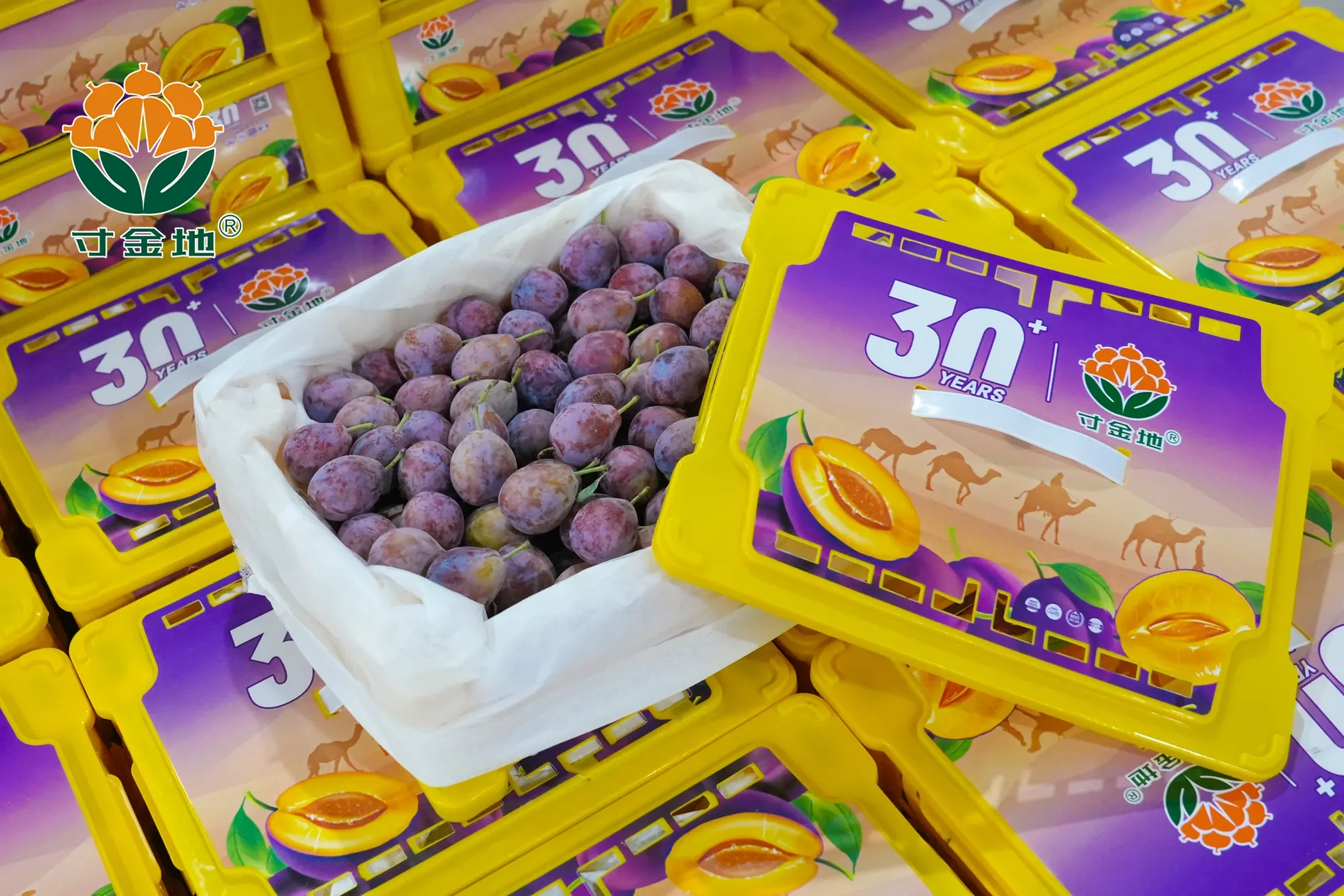
| Xinjiang French Prune | 0809.40 | 0809400090 (not 0809400010, which is ume) | 0809 40 05 | 0809 40 050 0 (base duty 5%, import VAT 10%) |
Confirm with your customs broker. EAEU rates are the base rates shown by a commercial tariff service, not the official EEC text; preferences may apply. Gulf national lines are not listed because we have not verified them.