Knowledge
How to import fresh pomegranates from China: registration, documents and season
A preparation guide for importers evaluating a Chinese pomegranate supplier. The dated sources below provide background; confirm the current rules, documents and eligibility for the fruit, supplier and destination with the relevant authorities before an order is shipped.
Two systems, and neither answers for the other
Prepare for checks on both sides of the shipment: Chinese export requirements and the destination country’s plant-health and import requirements. A registration or document on one side does not establish compliance on the other. The dated sources linked below help frame the questions; they are not a live market-access decision for a proposed consignment.
The Chinese side: how an orchard and a packhouse get registered
Export orchards and packhouses are registered under the Measures for the Supervision and Administration of Inspection and Quarantine of Exported Fruit, whose consolidated text after Order 283 is published by the Ministry of Justice. An orchard files an application form with a sketch and a site plan. A packhouse files an application form, a plant layout with a process description, and — the part buyers rarely see — the list of orchards supplying it with copies of the contracts between them.
The cited consolidated text after Order 283 describes a twenty-working-day registration decision process from acceptance, with ten days at each customs level, and a five-working-day completeness review. It states a five-year registration term and review before each harvest season. These are provisions in the cited text, not a promised application or shipping timeline; confirm the current process with the responsible customs office.
A registration decision is separate from destination acceptance. The cited text also describes customs recommendation of registered sites and acceptance by the destination authority. Establish which steps apply to the proposed fruit and destination, and obtain current confirmation before treating a site as eligible for an order.
Registration is bound to a category and to a destination
This is the most useful thing an importer can know about Chinese fruit registration, and the thing most often got wrong. A registration is not a general licence to export fruit. Changing the species a packhouse handles requires an amendment; changing the species an orchard grows requires a fresh registration; and the recommendation-and-acceptance step is carried out for each destination separately.
So a grower registered for citrus is not thereby registered for pomegranate, and a grower cleared for one market is not cleared for the next. When you ask a Chinese supplier whether they are registered, the useful question is narrower: registered for pomegranate, for my country, and valid this season.
The cited Chinese rules include rectification and suspension of acceptance of export filings in specified circumstances involving quarantine pests or residue findings. The applicable action, scope and duration require an authority decision; a finding does not by itself establish that an entire export season has ended. Discuss inspection and specification requirements before the order.
The documents that travel with the fruit
Ask the destination authority which documents apply to the exact fruit and origin. Common questions include an import permit, an official phytosanitary certificate, certificate of origin, invoice and packing list. Confirm who obtains each document and when, rather than treating this list as sufficient for every destination.
As historical background, Article 15(1) of the GCC Unified Plant Quarantine Law of 2003, enacted in Bahrain as Plant Quarantine Law No. 5 of 2003, describes an import permit and a phytosanitary certificate issued by the exporting country’s competent authority. The absence of an origin list in that text does not establish current permission for a particular fruit from China; national rules and current restrictions must also be checked.
Where GLOBALG.A.P. sits, and where it does not
GLOBALG.A.P. is a private farm assurance scheme. The cited CBI guidance distinguishes buyer requirements from mandatory market requirements. Check both: a certificate does not replace plant-health permission, and a buyer may set certification requirements in addition to the applicable import rules.
Check the holder, products, scope and dates on the actual certificate and the scheme’s validation service. A citrus certificate must not be presented as proof of pomegranate or blueberry coverage. Our Quality page states the scope of the public documents and separately identifies supplier-confirmed information.
How to check the proposed destination
The cited Chinese customs materials include a 2016 export-direction list and an official answer directing exporters to the importing country’s inspection authority where access conditions are not enumerated. Use those records as background for preparing questions; neither an absent entry nor the absence of a prohibition in an old document establishes current market access.
For the destination named in your enquiry, confirm the fruit and origin, the eligible orchard and packing arrangements, required permits and certificates, and any current pest, residue or labelling conditions with the relevant authority and your importer.
For Russia, the cited historical record describes the lifting of a restriction on Chinese stone fruit on 5 March 2022, while other cited reports discuss specific Chinese fruit movements. Those records do not establish today’s requirements for every species or supplier. Ask the responsible authorities to confirm the current requirements for pomegranate, citrus or any other proposed fruit separately.
Plan around the supply season
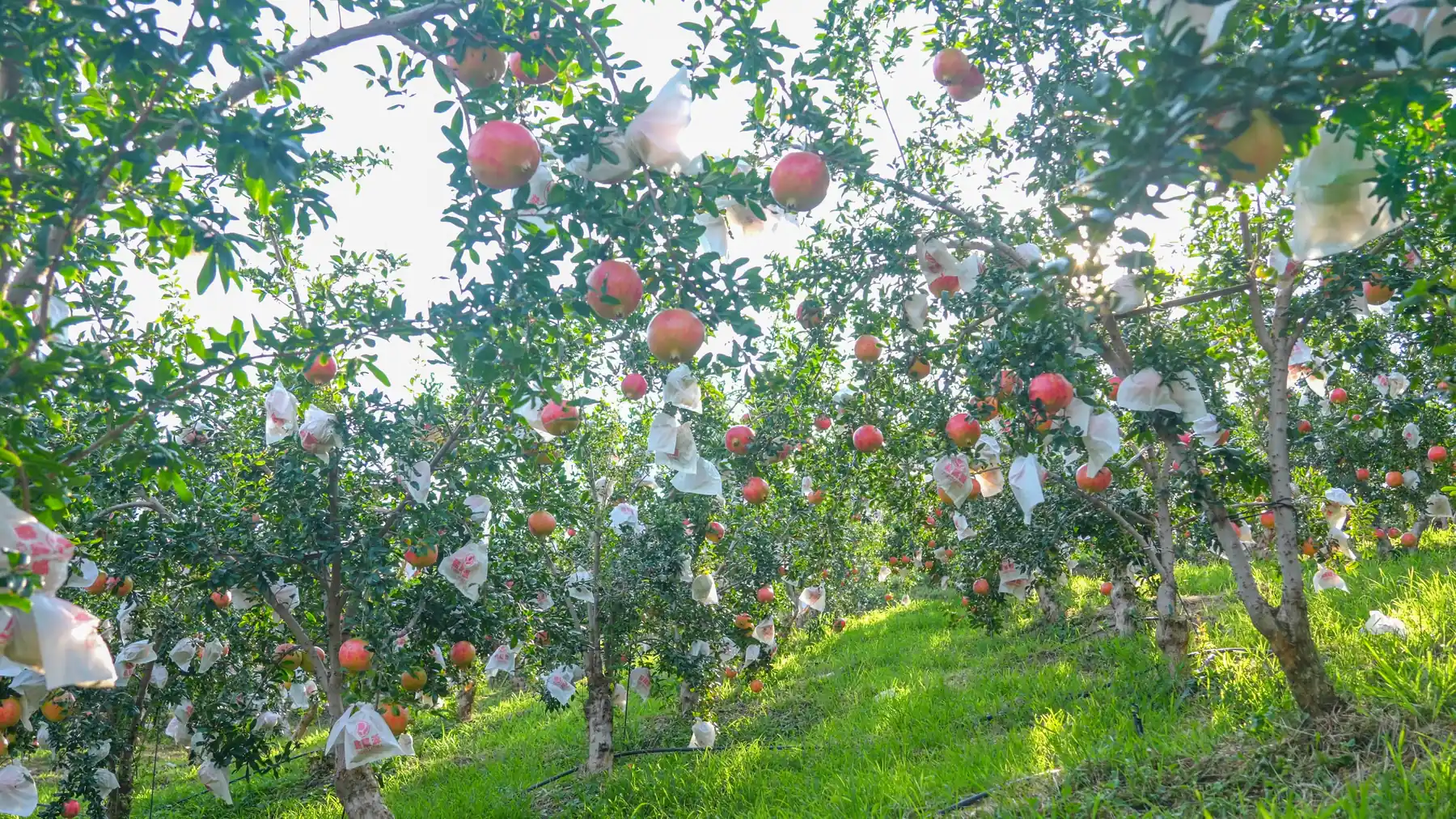
Our supplier confirmed an August–November supply season for Huili soft-seed pomegranates on 20 September 2026. This current supply information is separate from the historical reports cited above; it does not establish a particular shipment lot or dispatch date.
Tell us your intended quantity, fruit grade, packing and arrival timing. We can tailor a supply plan to your needs and confirm the lot and shipment details with you. Destination-specific requirements are reviewed for the order.