Knowledge
China fruit season calendar: pomegranate, citrus, prune and blueberry
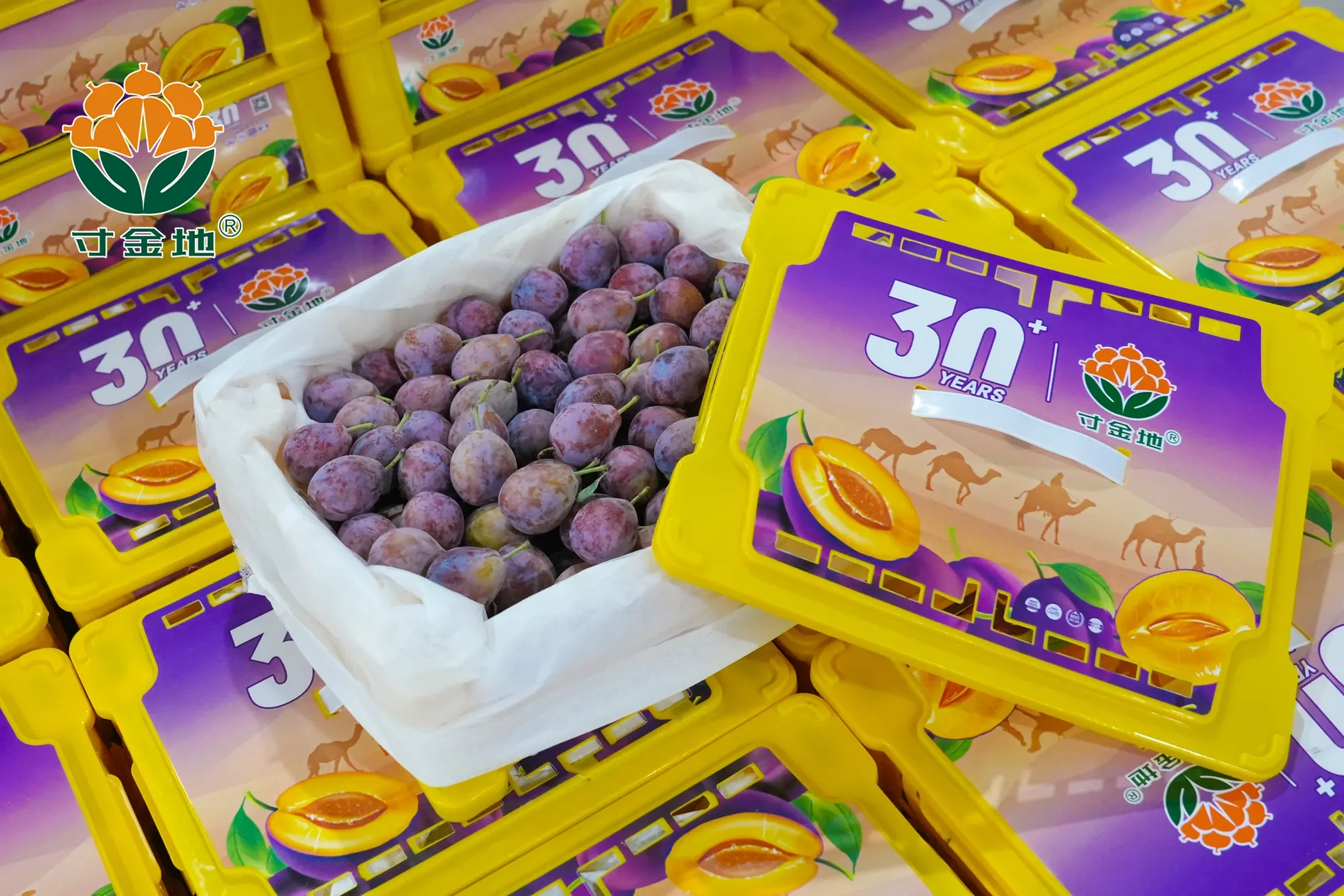
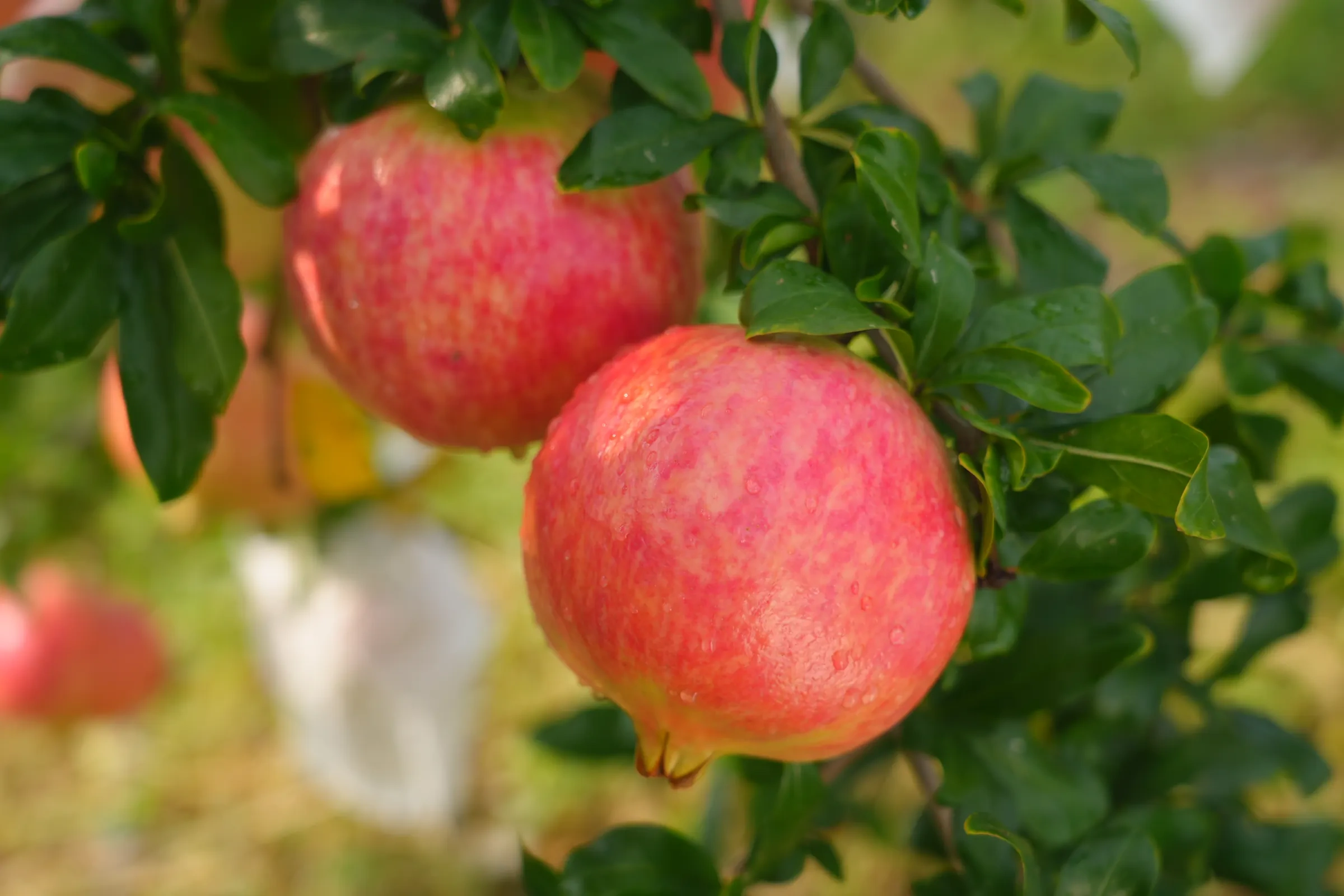
Pomegranate: August to November, main harvest September and October. Ehime No.38: November to December. Chunjian and Kanpei: January to February. Yunnan blueberry: December to May. French prune: August to September. These are planning windows; stock and dispatch dates are confirmed for each order.
Why a season calendar is not a stock list
A reference window tells you when a variety is normally harvested and shipped. It does not tell you what is in a packhouse today, what grade is available, or when a container can be loaded. Those are order-specific facts.
Use the calendar to choose a target arrival month and to start the buying conversation early. Then confirm the variety, grade, packing, quantity and dispatch dates for the lot.
The late-summer to autumn window
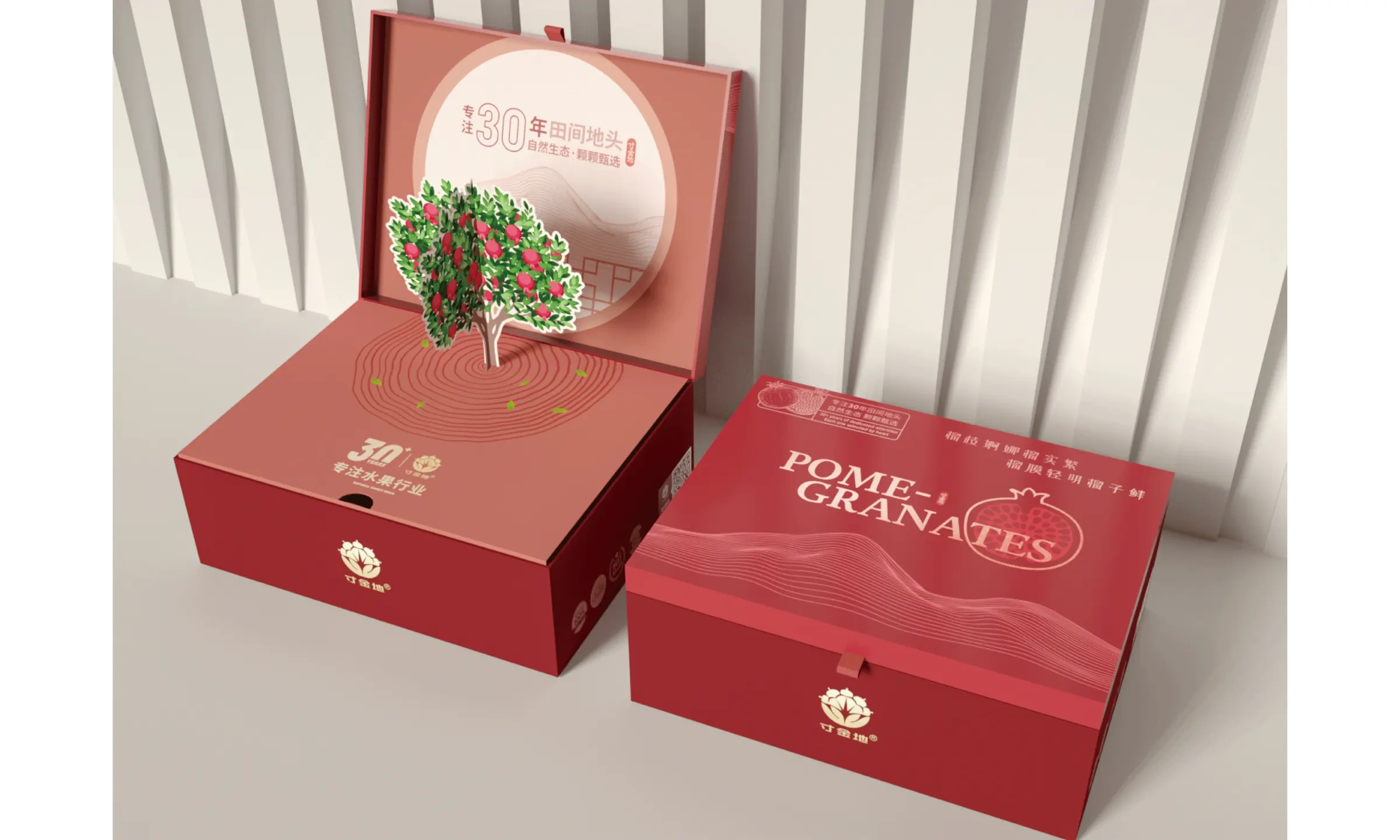
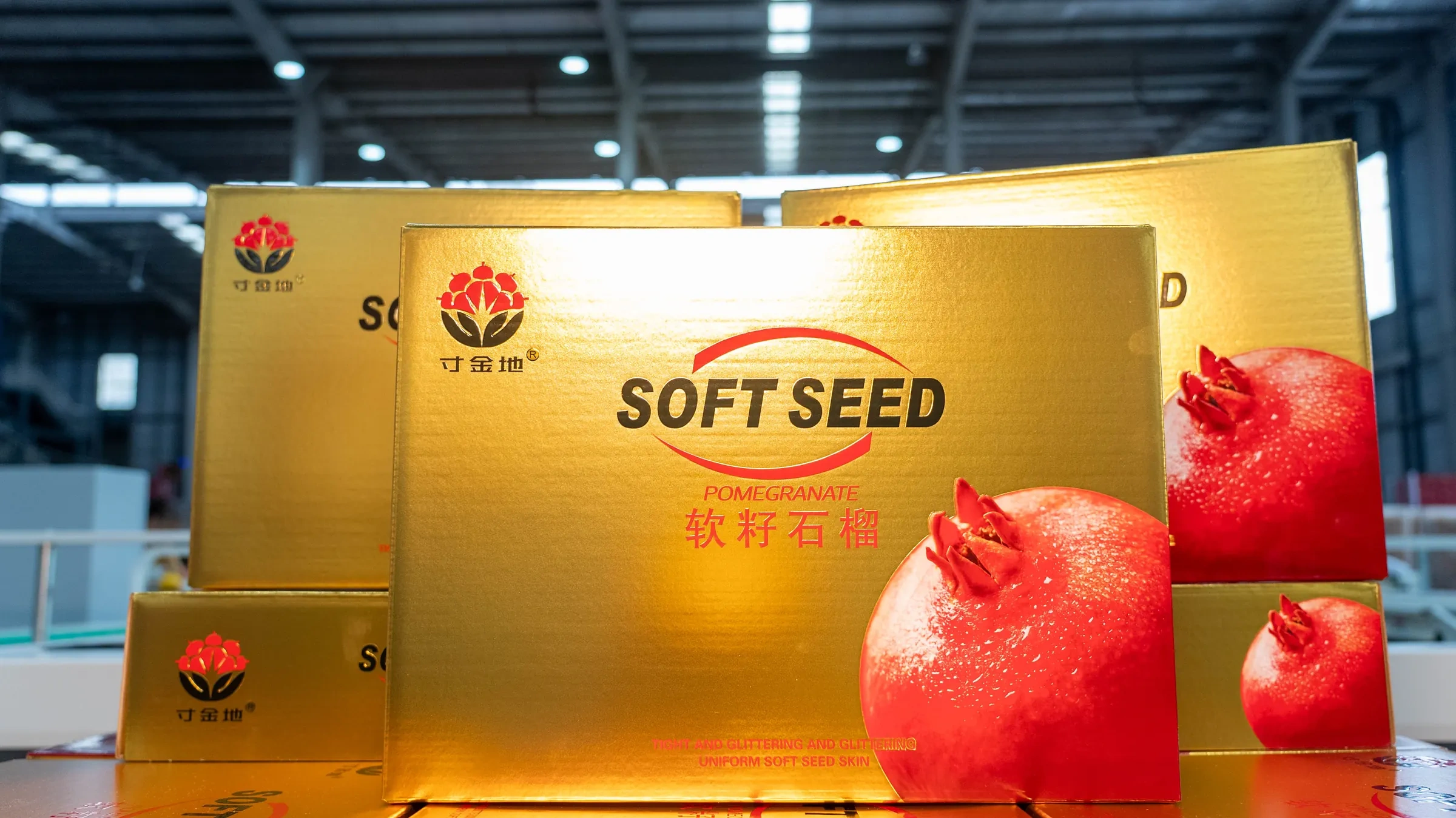
Soft-seed pomegranate from Huili is referenced for August to November, with peak volume in October. Black Diamond pomegranate is referenced for September to October. Xinjiang French prune is referenced for August to September.
This is the busiest window for the group's own-grown fruit. Buyers planning a November or December retail programme should start the specification and packing discussion during this window, not after it.
The winter citrus window
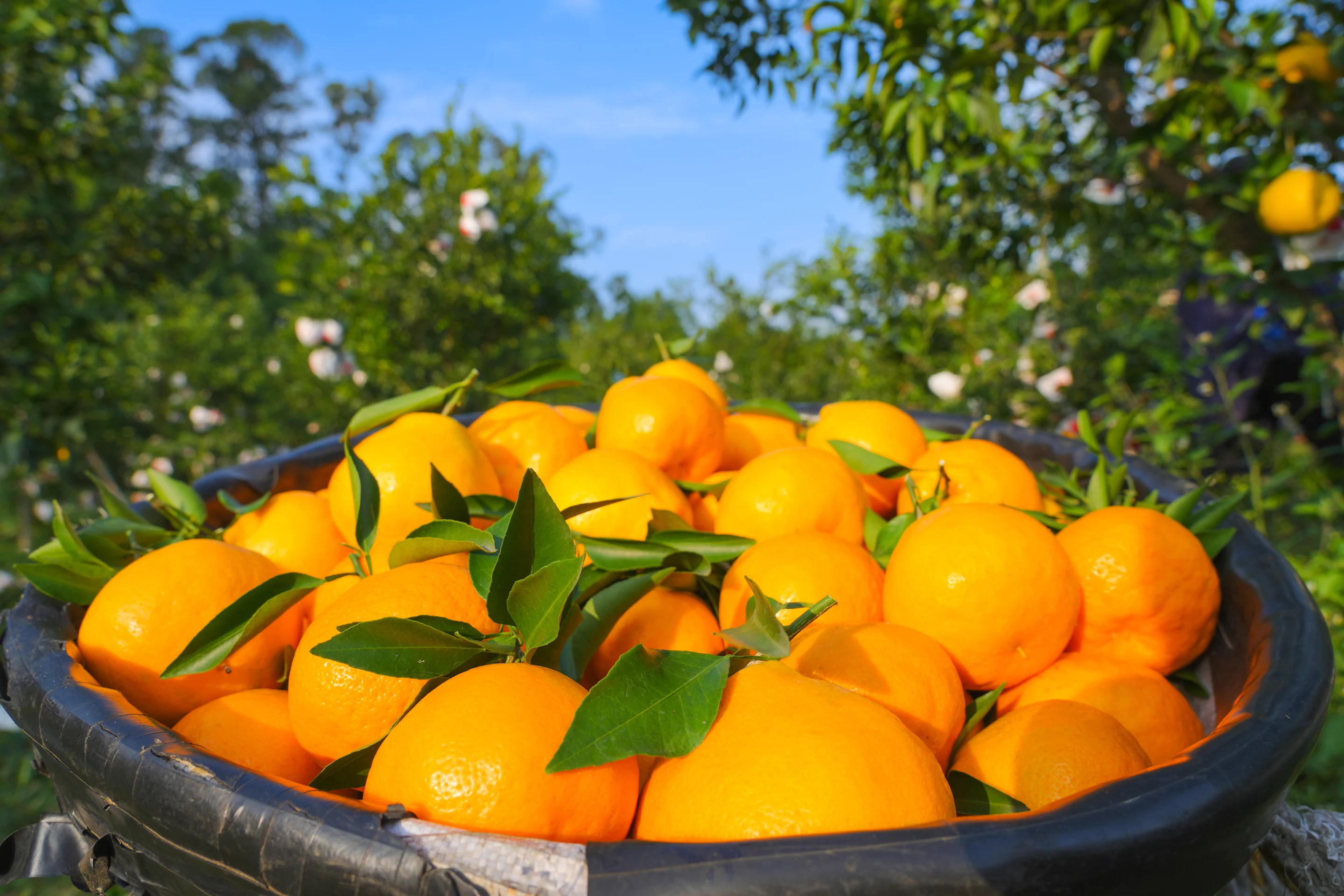
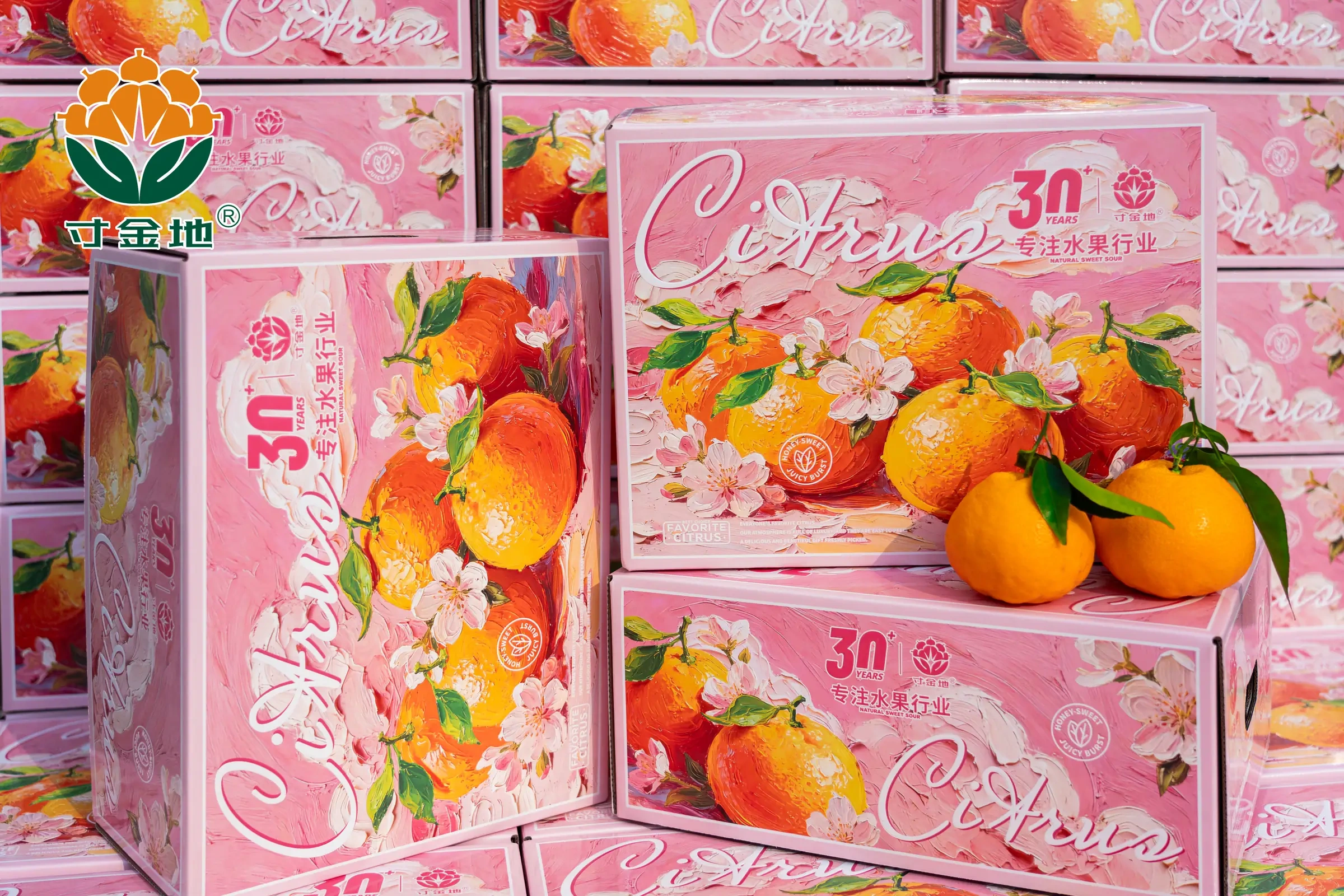
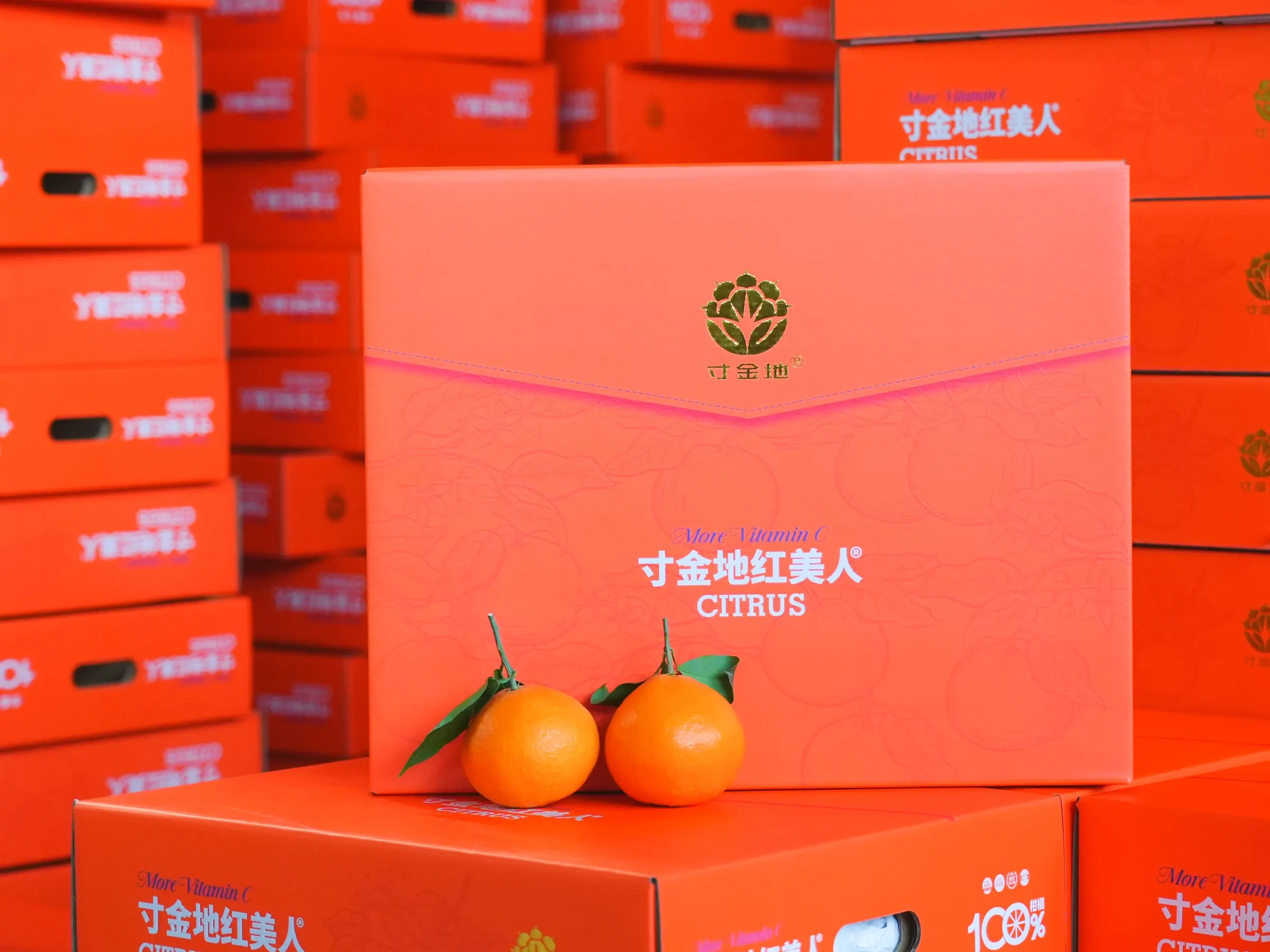
Ehime No.38 jelly orange is referenced for November to December. Chunjian tangerine and Kanpei citrus are referenced for January to February. Ehime is a sourced line from Sichuan, China, with the district named per lot; Chunjian and Kanpei are own-grown in Jintang.
Citrus buyers should separate the variety, the district and the pack format. A Chunjian offer and an Ehime offer are not interchangeable, even when both are described as 'Sichuan citrus'.
The spring blueberry window
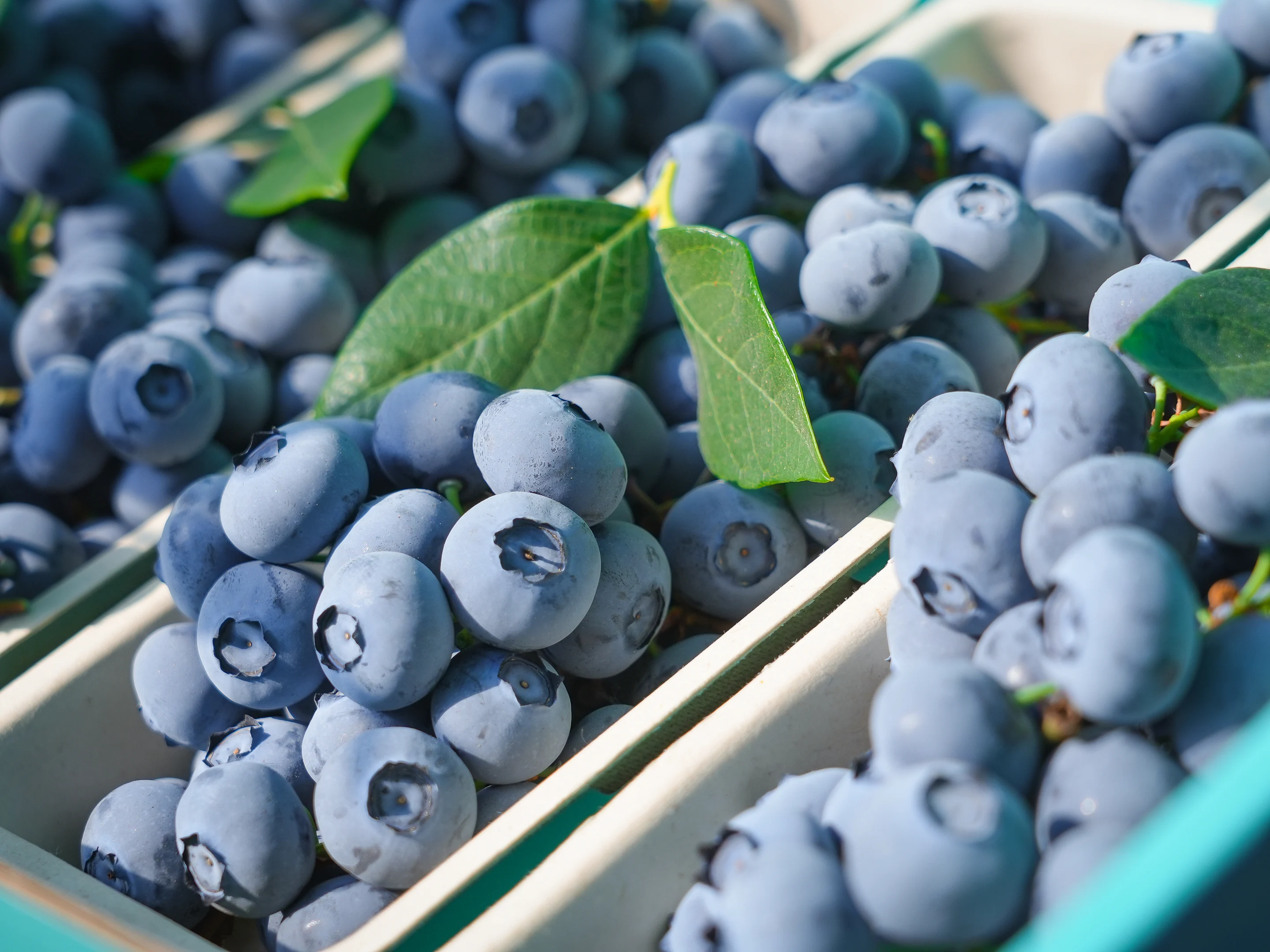
Yunnan blueberry is referenced for December to May, with the main volume from January to April. It is a sourced line; the growing district is named for the lot. Blueberry specifications should separate fruit size, punnet format and the target market's labelling requirements.
A blueberry programme often needs a trial before a weekly programme. Use the trial to confirm size, firmness, pack and arrival condition rather than treating a season window as a supply commitment.
How to turn the calendar into a buying brief
Write down the fruit line, variety, grade or size, packing, quantity, destination port, target arrival month and Incoterm. Ask the exporter to confirm the lot, the harvest window and the documents for that destination. If the answer is 'maybe', the brief is not ready.
Cunjindi publishes the reference specifications in the fact block below. Current stock and shipment dates are confirmed for each order.
Plan the arrival window, not just the harvest
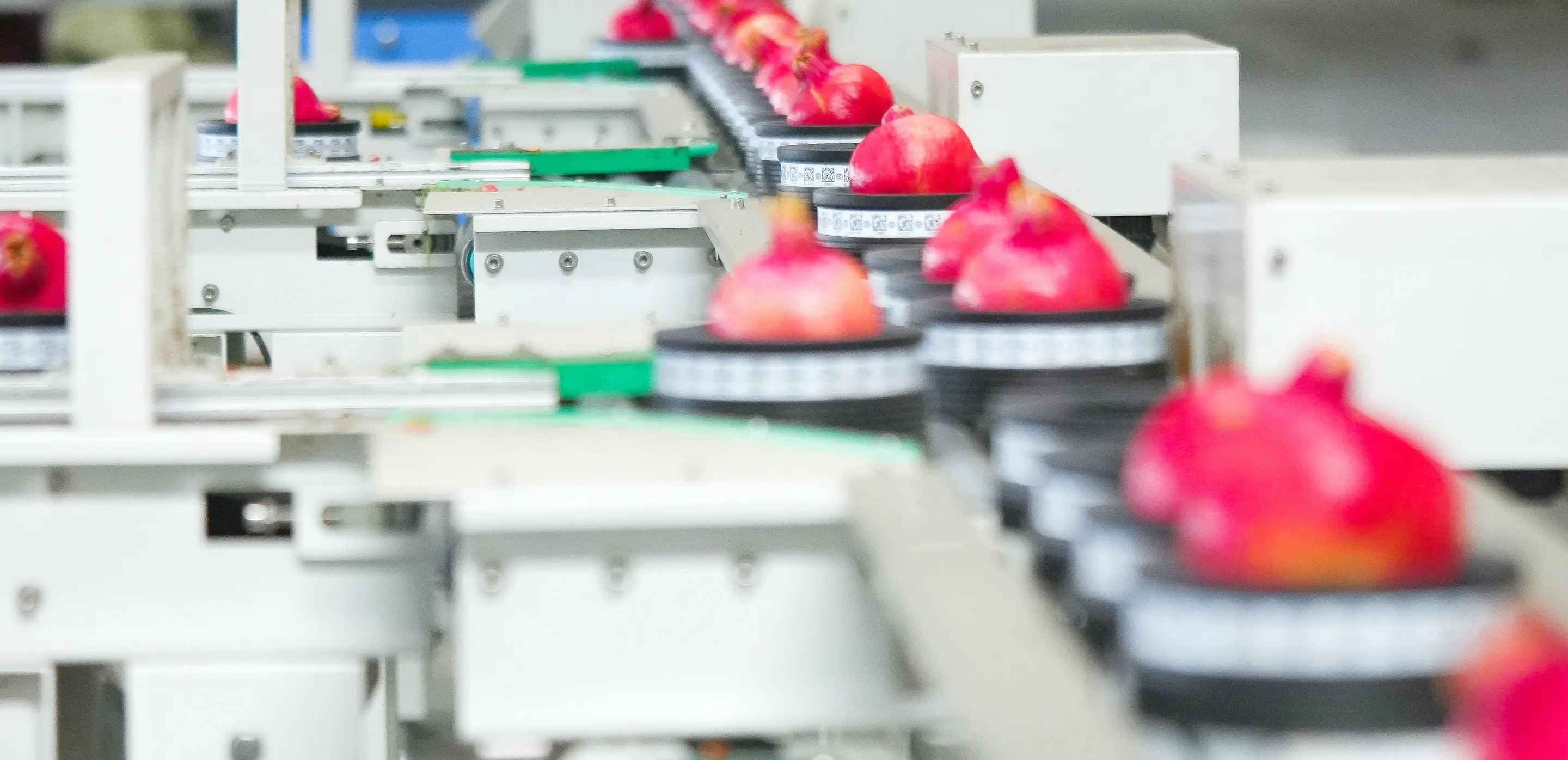
A retail programme is planned around the arrival date, not the harvest date. Work backwards: the arrival month sets the shipment window, the shipment window sets the packing date, and the packing date sets the harvest and pre-cooling plan. A fruit that is perfect at harvest can arrive tired if the cold chain and the transit time were not part of the plan.
For pomegranate, the October peak is also the period when packhouses are busiest. Buyers who need a specific grade or gift pack should confirm the packing slot early rather than assuming the peak week has spare capacity. For citrus, the Ehime window runs into the Chunjian window; the two lines should be planned separately even when they share a destination.
Storage, transit and the end of the season
A reference season describes the harvest window, not the storage life. If a buyer needs fruit after the window, the question changes from 'what is in season' to 'what is in storage, for how long, at what temperature and with what condition'. Ask for the storage history and the actual lot date; do not treat a late-season shipment as fresh-harvest fruit.
Transit time and the destination's cold-chain handover point belong in the RFQ. The same fruit can perform differently on a short regional route and a long deep-sea route. The exporter can describe the pack and the pre-cooling; the importer knows the destination handling. Put both sides in writing.
A trial before a programme
A season calendar is a good reason to start a conversation, not a reason to skip the trial. Use the first shipment to test the grade, the pack, the arrival condition and the documents. Record the results against the specification. If the trial meets the brief, the next order can be planned with a real baseline instead of a brochure.
The trial should be large enough to be meaningful and small enough to be recoverable. A few pallets can answer the grade and pack questions; a full container is a programme decision. Do not let a season window pressure the buyer into a full container before the specification is proven.
What the calendar cannot tell you
It cannot tell you today's stock, the current price, the available grade mix or the next vessel. It cannot tell you whether the destination's import rules have changed. Those answers come from the supplier's lot confirmation, the buyer's importer and the competent authority.
Use the calendar to choose the right month and the right questions. Use the order process to confirm the fruit, the documents and the dates. The two are complementary; neither one is a substitute for the other.