Knowledge
China pomegranate exporter: how buyers compare origins, grades and seasons
China supplies more than one kind of pomegranate. This guide separates the two Cunjindi lines grown in Huili, Sichuan, China, explains how weight grades and texture change the buying brief, and lists the checks that should precede a first order.
What a Chinese pomegranate exporter can actually supply
A Chinese pomegranate offer should name the variety, the growing district, the reference season and the grade band. Without those four points, two offers are not comparable even when both say 'soft-seed pomegranate'.
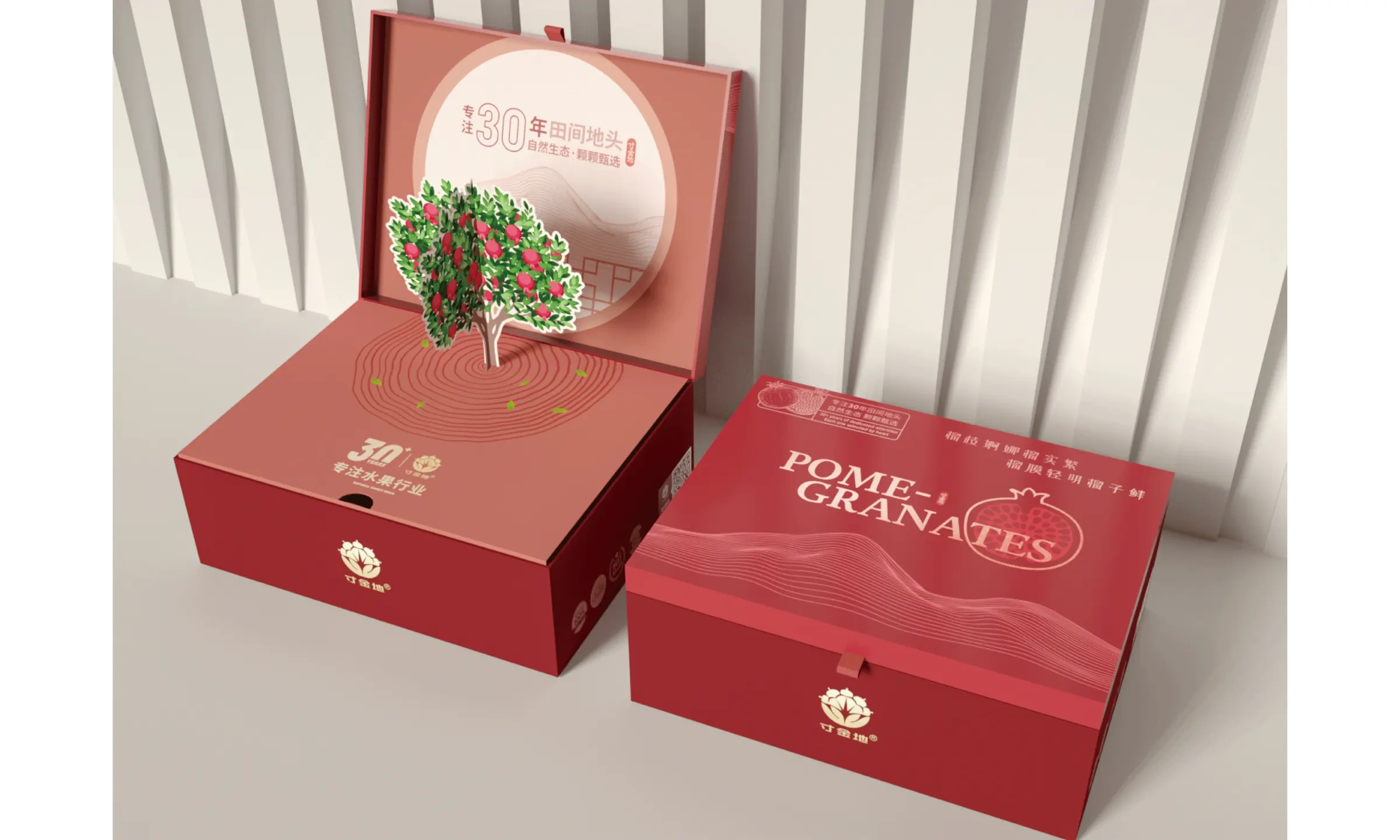
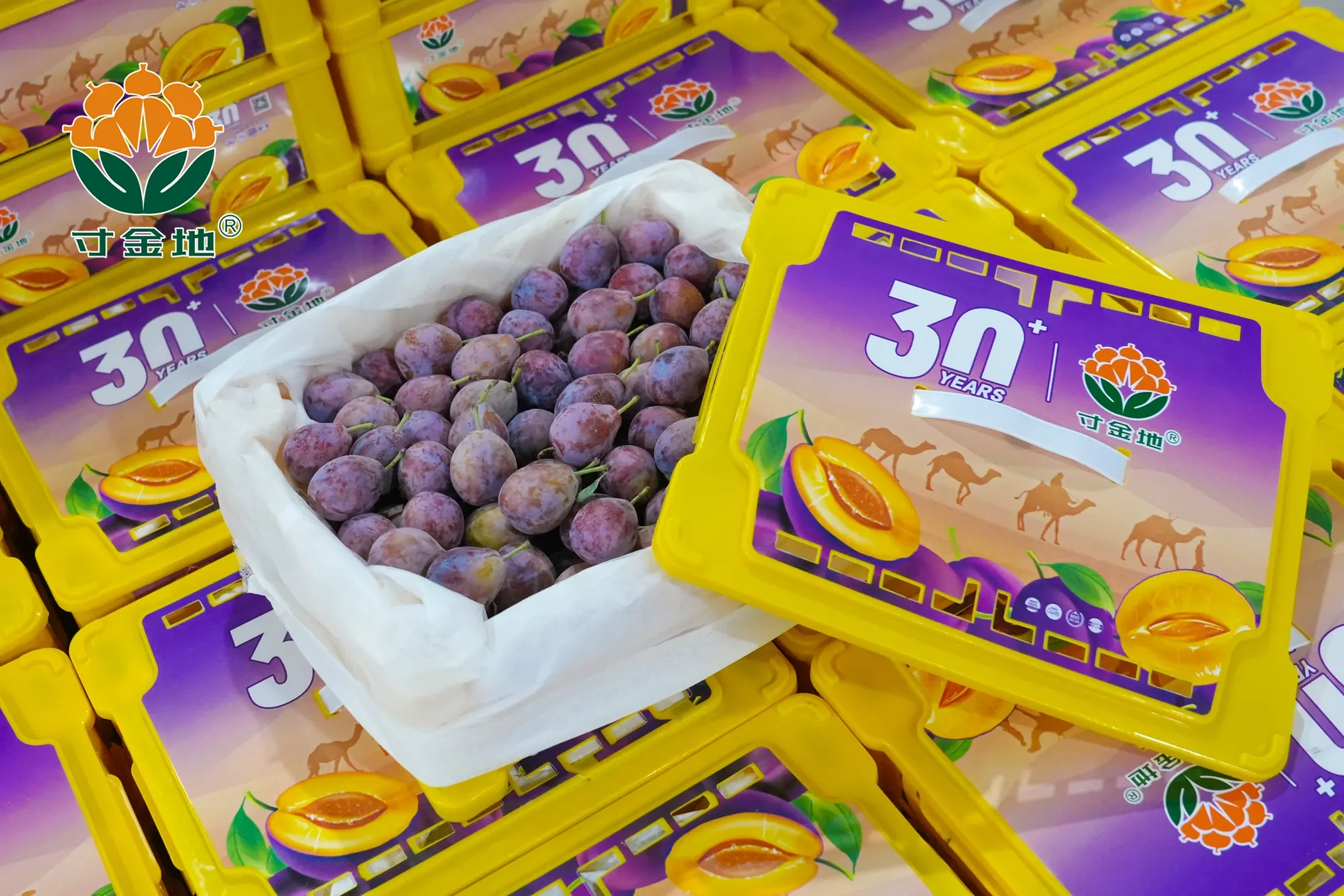
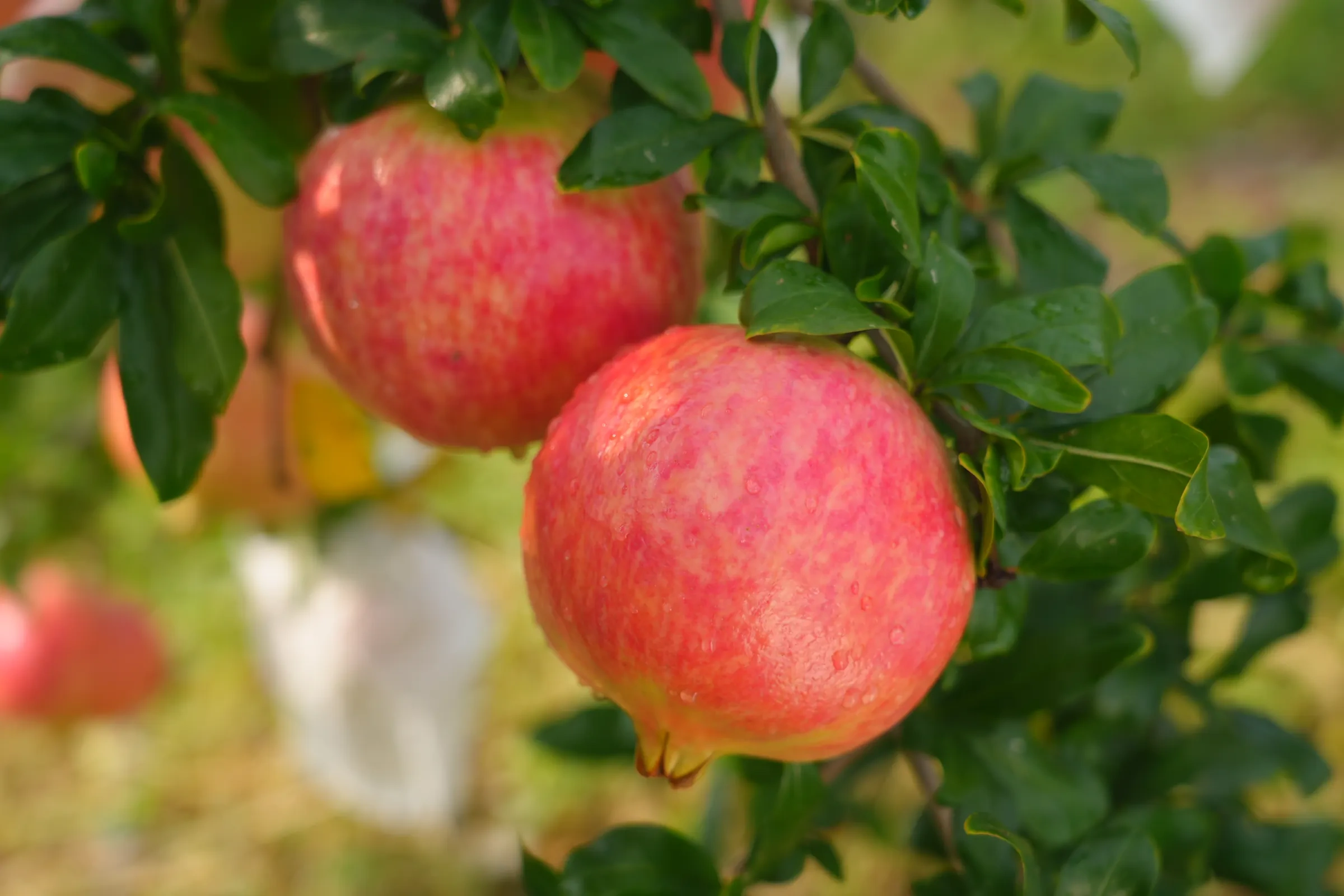
Cunjindi grows two pomegranate lines in Huili, Liangshan, Sichuan, China: soft-seed pomegranate, the main volume line, and Black Diamond pomegranate, a darker-skinned line packed for gift and premium retail programmes. Both are grown on group-owned ground. The reference season and the grade bands are shown in the fact block below; current stock, picking dates and dispatch dates are confirmed for each order.
Why the Huili district matters
Huili sits in the Liangshan mountains at roughly 1,800 metres, with a subtropical monsoon climate and a large day-night temperature difference. Those conditions are part of the published origin story for the fruit, not a guarantee of quality in every lot.
For a buyer, the practical point is traceability: the offer should state the growing district and whether the fruit is own-grown or sourced. Cunjindi's Huili pomegranates are own-grown on group-owned land; the packing line and the registration status are separate facts to verify.
Grade by weight, not adjectives
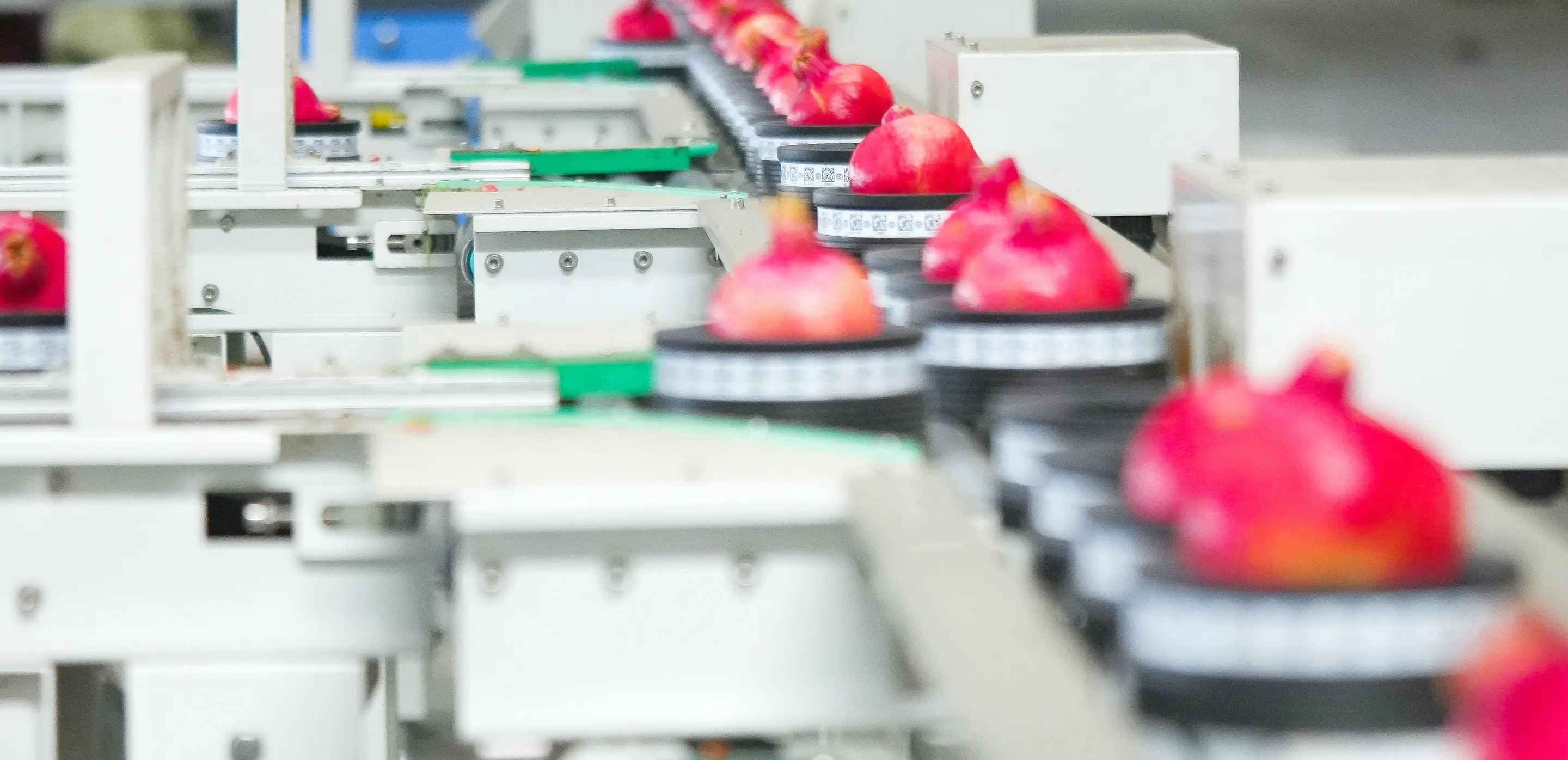
A CCTV-13 report on the Huili grading line described grade 1 at 350–499 g and the top grade at 500 g and over. That is a useful starting point for a specification, but it is a report on one season, not a universal standard.
Write the grade band, the fruit weight range, the packing format and the acceptable defect level into the RFQ. Soft-seed and hard-seed are different products; texture belongs in the specification, not in a follow-up message. Brix readings from samples are reference data for the season, not a guaranteed minimum for every carton.
Season and order timing
The published reference season for soft-seed pomegranate is August to November, with peak volume in October. Black Diamond is referenced for September to October. These windows support planning; they do not confirm today's stock or a specific harvest date.
For a winter retail programme, the buying conversation should start with the target arrival month and the packing format, then work back to the harvest and shipment window. A trial quantity is a sensible way to align on grade and packing before a larger programme.
What to verify before the first order
Check the exporter's China Customs registration, the certificate holder and the certificate scope, the packing line, and the destination's current import requirements. A certificate does not replace an import permit, and a registration code does not by itself prove that a particular fruit, orchard or packhouse is approved for your market.
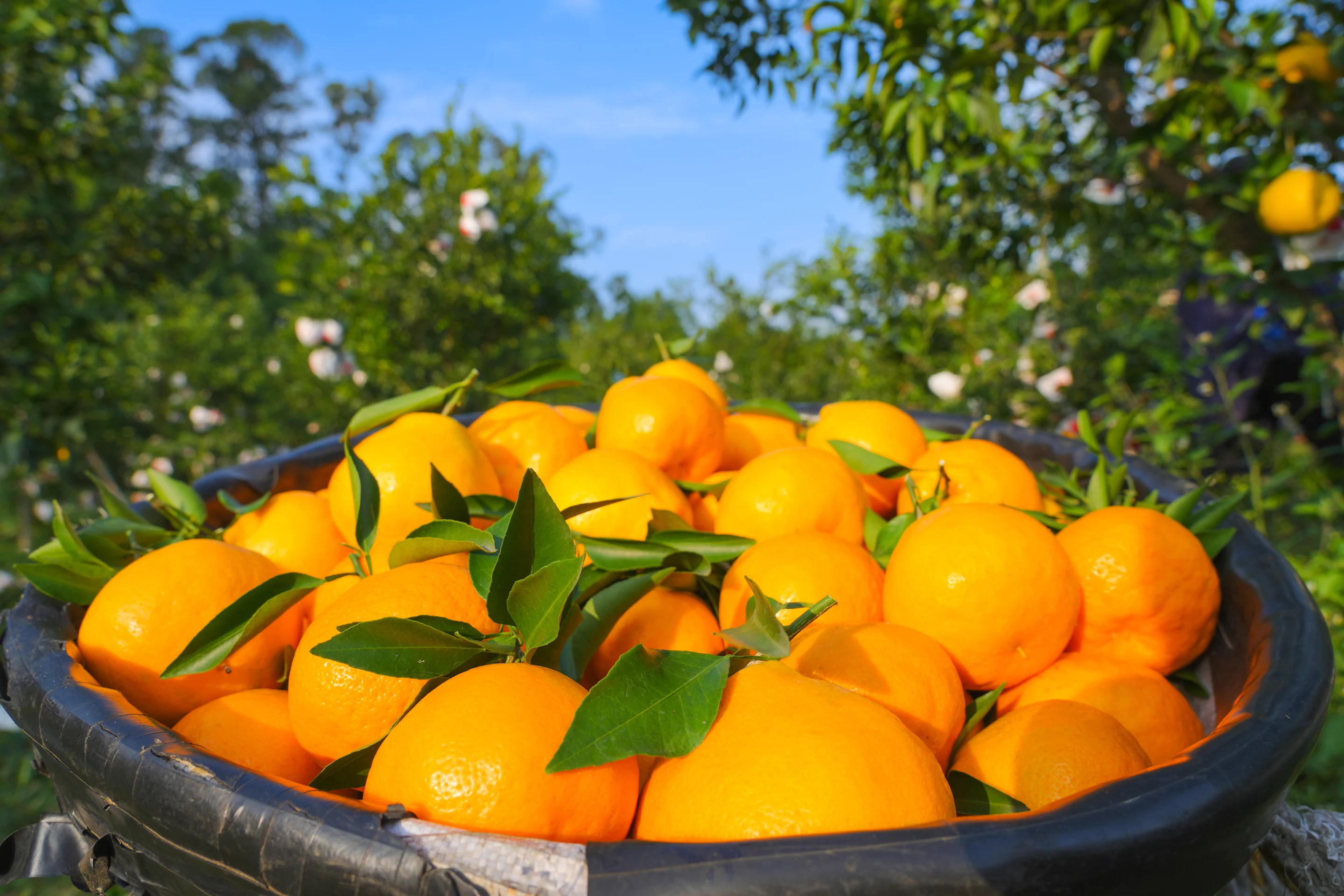
Cunjindi publishes its China Customs registration (5101960CJJ), its ISO 22000 certificate and the citrus scope of its GLOBALG.A.P. certificate. Buyers should still verify the documents for the specific order and destination.
How to compare two pomegranate offers
Put the two offers side by side on the same six lines: variety, growing district, grade band, packing, quantity and delivery term. If one offer says 'soft-seed, 300–400 g, 4 kg carton, FOB' and the other says 'premium soft-seed, export pack', the second is not an offer yet; it is a description.
Ask for the fruit weight range in grams, the count per carton, the net weight, the label and the pallet pattern. A photograph helps, but a photograph is not a grade certificate. The written specification is what the packhouse can actually pack against.
Packing, private label and the first trial
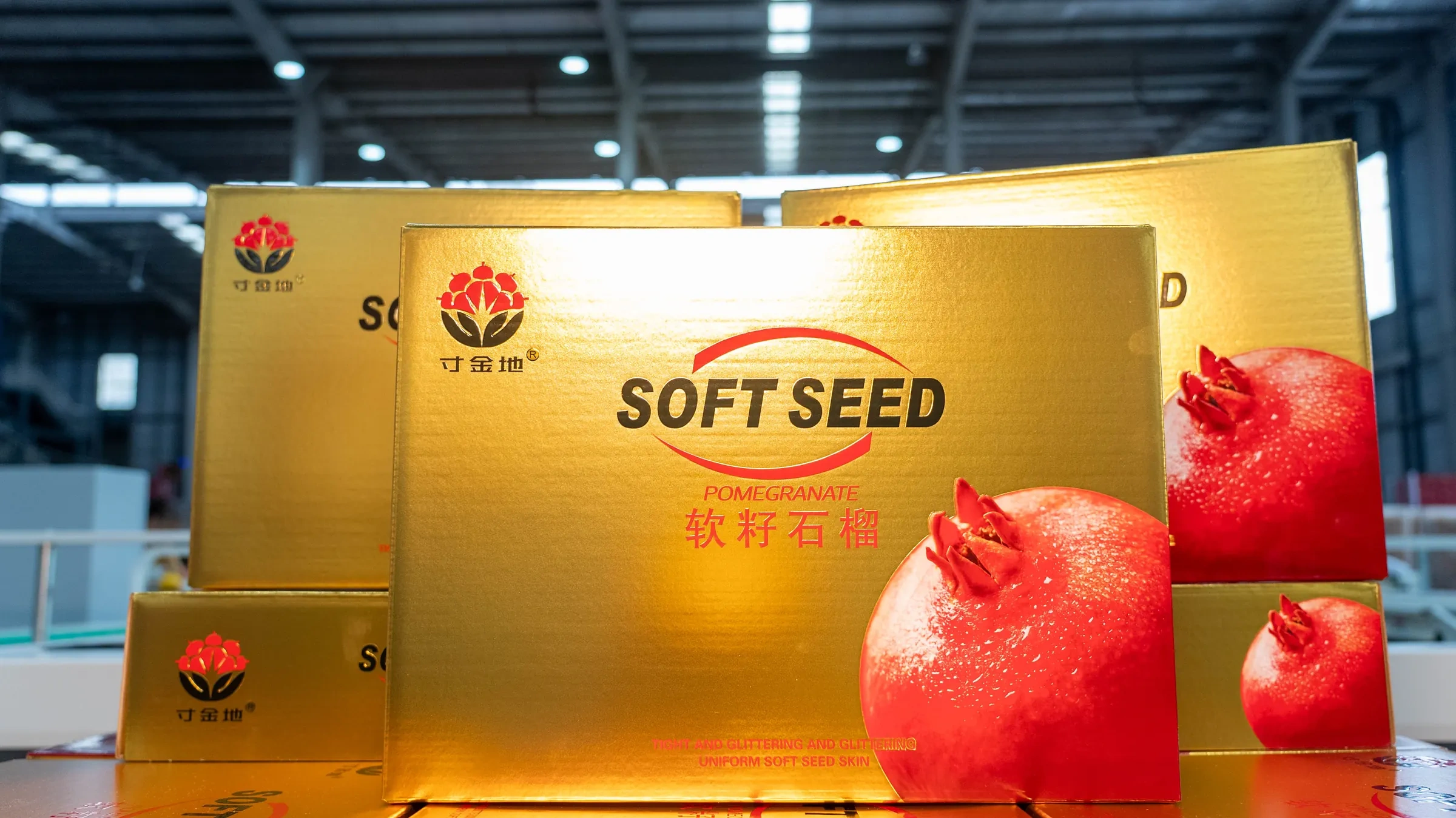
Pomegranate can ship in export cartons, retail-ready packs or gift boxes. Private-label programmes can carry the buyer's brand on the carton, tray, sticker or gift box, subject to the minimum and lead time agreed for the order. The pack format changes the cost, the fill rate and the damage risk, so it belongs in the first conversation, not the last.
A trial quantity is the cheapest way to test grade, pack and arrival condition before a seasonal programme. Define what the trial must prove: fruit size, skin condition, aril colour, texture, Brix range and the percentage of defects the buyer will accept. A trial is not a promise of a larger allocation; it is a test with a written result.
What the certificate does and does not cover
ISO 22000 covers the food-safety management system. GLOBALG.A.P. is held on the citrus line, not on the pomegranate line. A registered export packhouse is not the same as a destination import permit. Each document has a holder, a scope and a date; check all three.
The buyer's own programme may add requirements: a retailer specification, a residue test, a social-compliance audit or a packaging standard. Those are buyer requirements, not Chinese export rules. Separate the mandatory destination requirements from the buyer's commercial conditions so the supplier can answer each one accurately.