Knowledge
Cold-chain and storage set points for pomegranate, citrus and prunes
The set point is the single most important line in a fruit reefer booking. Here are the settings we use for each line, the published postharvest references behind them, and what happens when they are ignored.
Pomegranate: cold, but not too cold
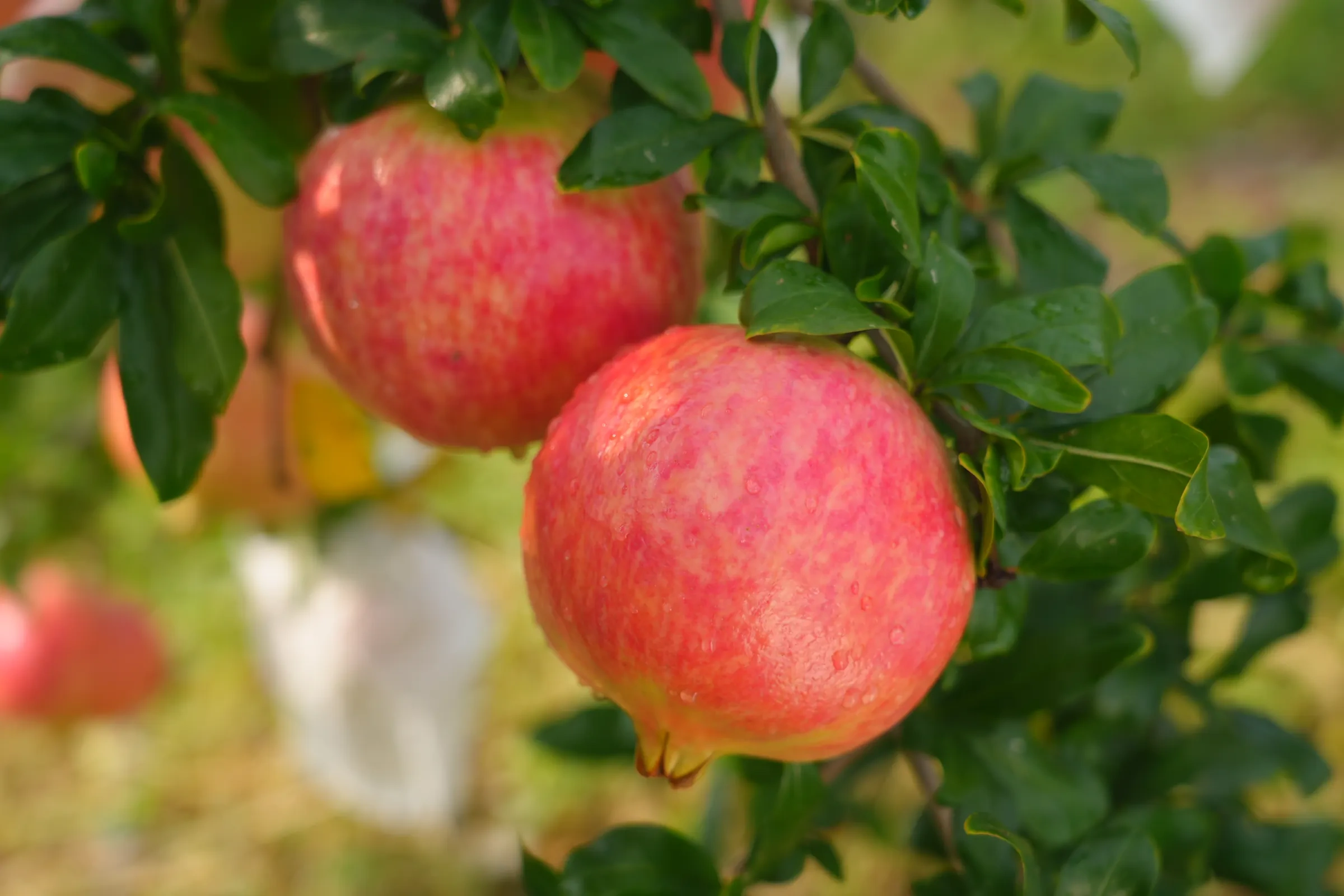
Pomegranates suffer chilling injury when held for long periods below 5 °C: brown skin, pale arils and pitting appear after the fruit warms up. UC Davis puts the limit at about two months at 5 °C and recommends a warmer setting for longer holds. We carry pomegranates at 7 °C with 90–95% humidity and a PE liner, which keeps the fruit firm and stops it losing water.
Citrus: avoid the pitting zone
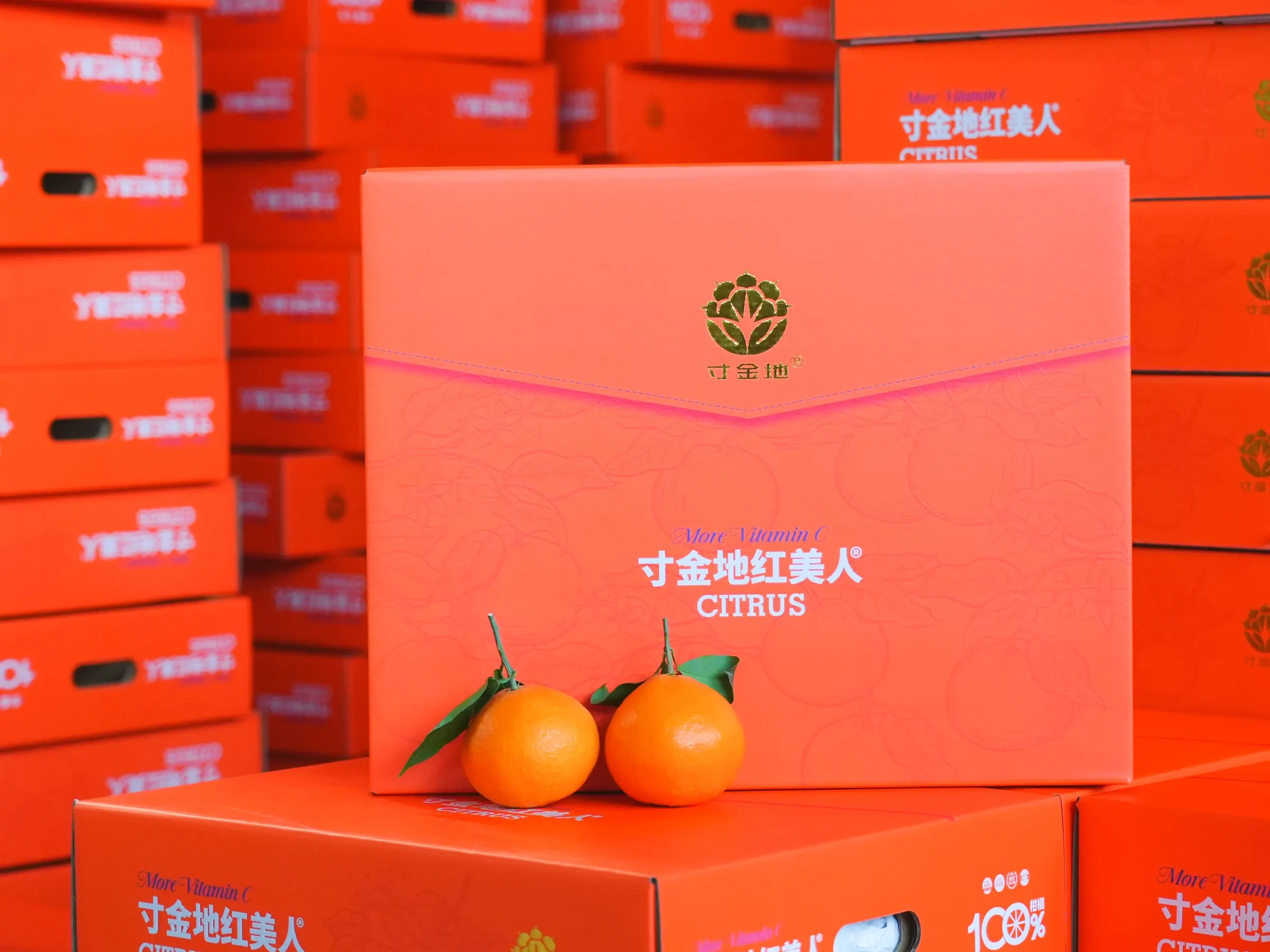
Mandarins store best at 5–8 °C. Hybrid types such as Chunjian and Ehime No.38 are sensitive to cold and show pitting below 5 °C, so we set 6 °C. Citrus is moderately sensitive to ethylene and should not share a container with apples.
Prunes: as cold as possible, and fast
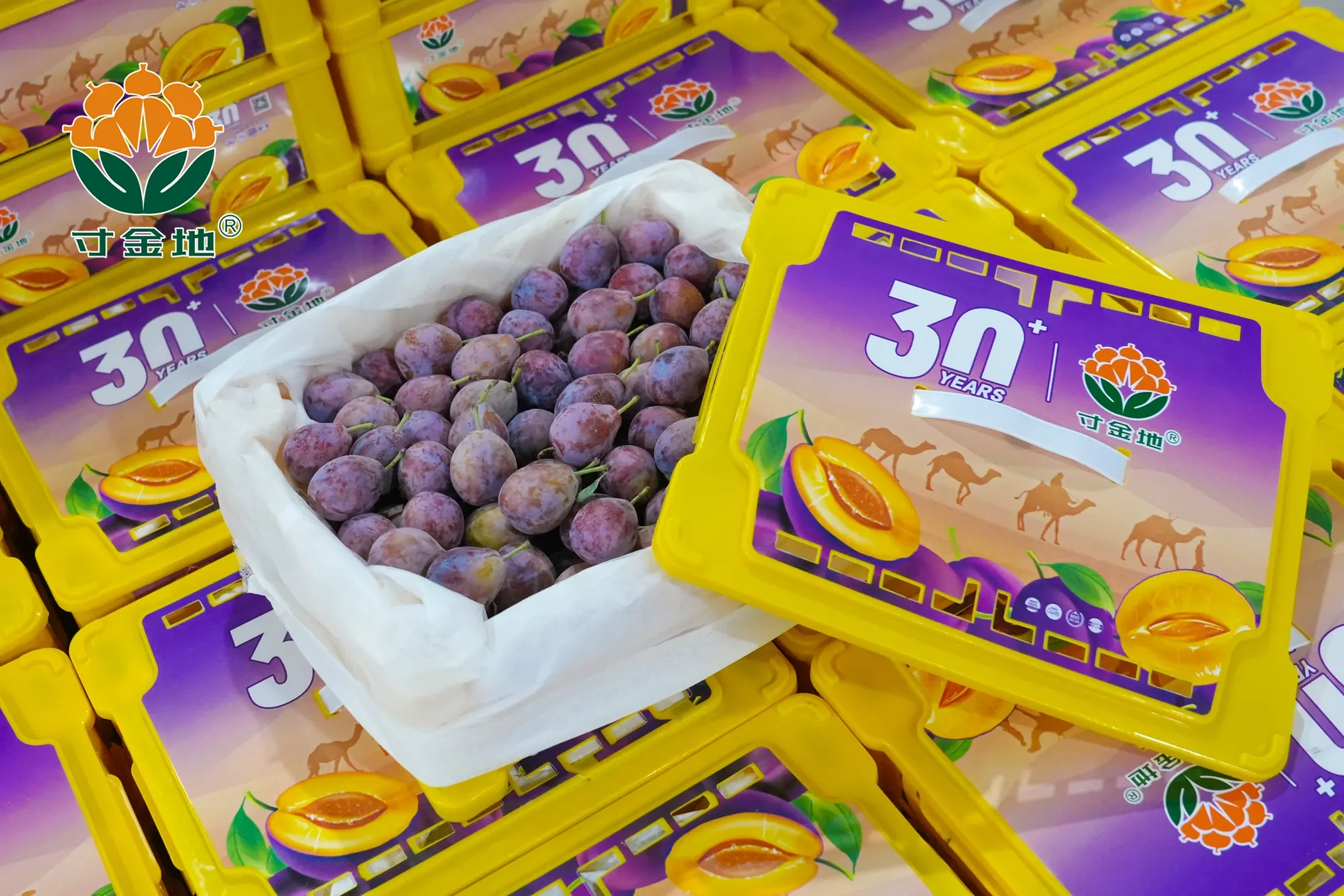
Fresh prunes are kept at about 0 °C. Internal breakdown is worst between 2 °C and 7 °C, so a warm set point is the wrong compromise. Storage life is 3–6 weeks depending on cultivar, which is why we plan prunes for air, rail or road rather than a long sea voyage.
Mixed containers
Pomegranate and citrus can share a container at 6–7 °C when their seasons overlap, from September to November. Prunes always travel alone at 0 °C.
Pre-cooling and loading
Fruit should be cooled to the carrying temperature before it is loaded. A refrigerated container is designed to hold a temperature, not to pull down warm fruit, and fruit loaded warm will ripen and lose water during the first days of the voyage. For pomegranate and citrus, load within 5 °C of the set point; for prunes, within 2 °C.
Ask for the pre-cooling record and for the container set point to be shown on the reefer booking and the bill of lading. On arrival the reefer’s own temperature record is the first piece of evidence if the condition of the fruit is questioned.
Humidity, air and ethylene
Humidity of 90–95% keeps the skin from drying out; pomegranates also benefit from a PE liner inside the carton. Fresh-air exchange removes ethylene and carbon dioxide: about 10 m³ per hour is enough for pomegranates, which produce little ethylene, while citrus is ventilated at about 25 m³ per hour. Prunes travel with the vents closed and are usually packed in modified-atmosphere bags.
What to write on the reefer booking
Name the set point, the humidity, the fresh-air setting and whether the container should be pre-cooled before it reaches the packhouse. State the fruit and the planned days in transit, so that the carrier can flag a route with a long transhipment. If the fruit is mixed, write the single set point both lines share, and never ask for an average between two fruits that need different temperatures.
For rail and road consignments the same rules apply to the refrigerated unit. Our group’s own refrigerated vehicles carry fruit from the orchards to the packhouse, so the cold chain starts at harvest rather than at the container door.
Set points by fruit line
| Fruit line | Set point | Humidity | Ventilation | Storage life (reference) | Our transit plan |
|---|---|---|---|---|---|
| Soft-seed Pomegranate | 7 °C (never below 5 °C) | 90–95% | 10 m³/h fresh air | Up to about 3 months in a steady cold chain (published reference) | Planned for no more than 45 days from packing to the shelf |
| Black Diamond Pomegranate | 7 °C (never below 5 °C) | 90–95% | 10 m³/h fresh air | Up to about 3 months in a steady cold chain (published reference) | Planned for no more than 45 days from packing to the shelf |
| Ehime No.38 Jelly Orange | 6 °C (published mandarin range 5–8 °C) | 90–95% | 25 m³/h fresh air | 2–6 weeks for mandarins in published references | Planned for no more than 30 days from packing to the shelf |
| Chunjian Tangerine | 6 °C (published mandarin range 5–8 °C) | 90–95% | 25 m³/h fresh air | 2–6 weeks for mandarins in published references | Planned for no more than 30 days from packing to the shelf |
| Kanpei Citrus | 6 °C (published mandarin range 5–8 °C) | 90–95% | 25 m³/h fresh air | 2–6 weeks for mandarins in published references | Planned for no more than 30 days from packing to the shelf |
| Xinjiang French Prune | 0 °C | 90–95% | Closed | 3–6 weeks depending on cultivar (published reference) | Planned for no more than 21 days from packing to the shelf; air, rail or road rather than long sea routes |
Published references are listed below. Load fruit within 5 °C of the set point for pomegranate and citrus, and within 2 °C for prunes.
Mixing lines in one container
- Mixed loads
- Up to two lines at one set point (pomegranate with Ehime or Chunjian at 6–7 °C); prunes always travel alone at 0 °C