Knowledge
Sichuan fruit exporter: growing regions, fruit lines and buyer checks
Sichuan is a province, not a specification. This guide explains the growing districts behind Cunjindi's fruit lines, separates own-grown from sourced fruit, and sets out the checks a buyer should make before the first order.
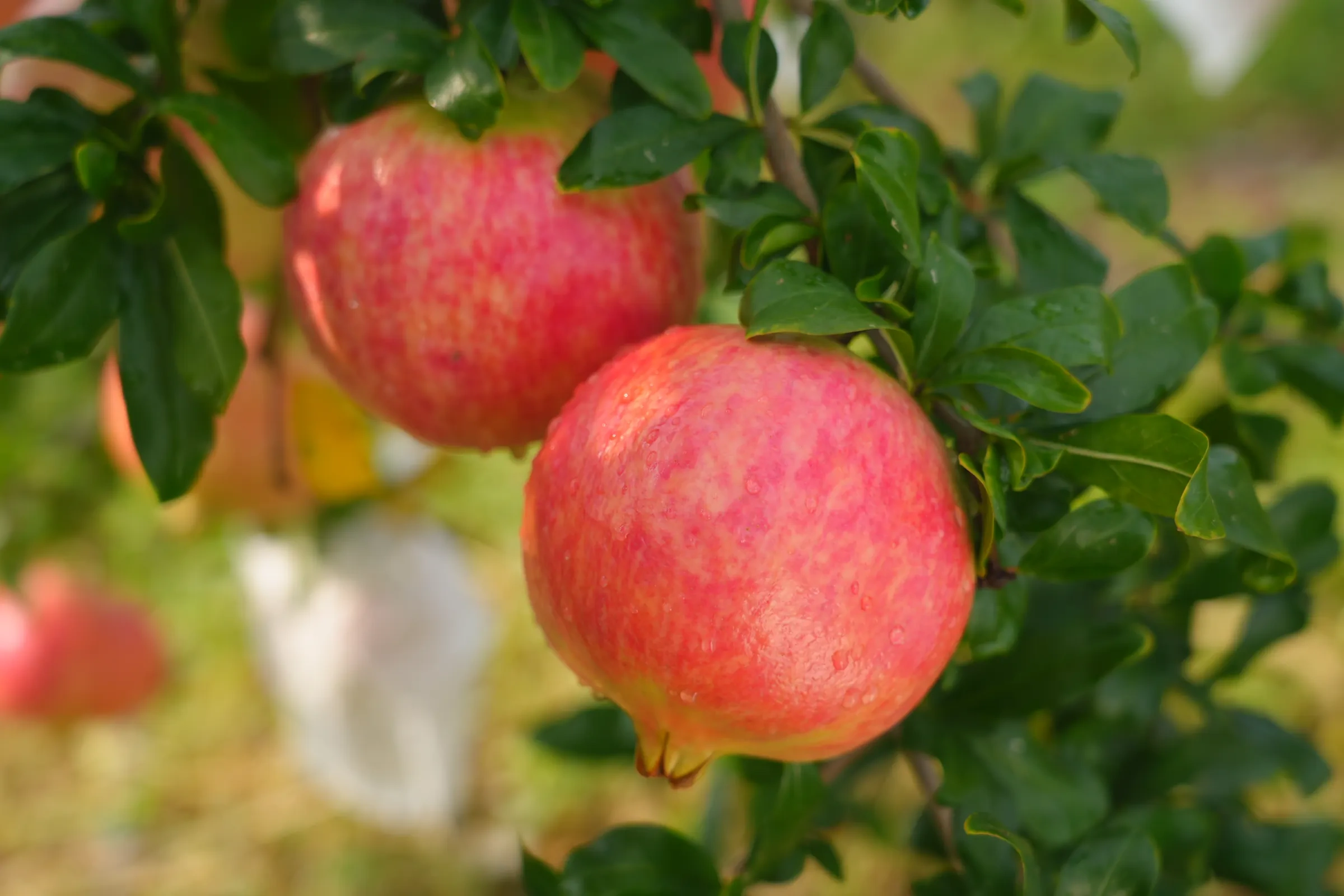
The regions behind the fruit
Cunjindi's fruit programme is built around five growing regions: Jintang in Sichuan for citrus, Huili in Liangshan for pomegranate, Yunnan for blueberries and prunes, Xinjiang for prunes, and Hunan for new-variety citrus. The five regions are on land owned by the family fruit group and operated through family-owned companies.
A buyer should not treat 'Sichuan fruit' as one origin. Jintang citrus and Huili pomegranate are different districts with different seasons, packhouses and market access questions. Ask for the district, not just the province.
Own-grown and sourced are different promises
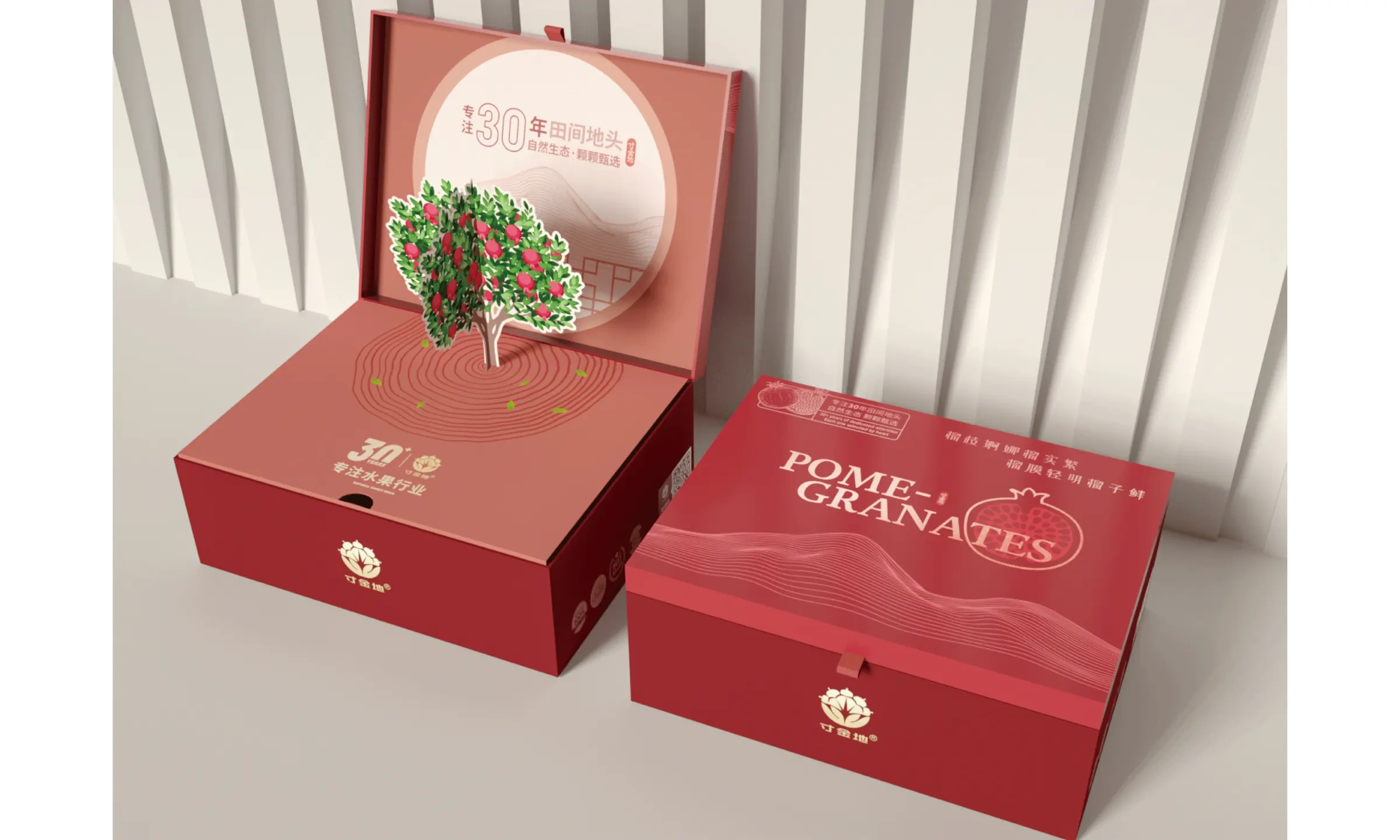
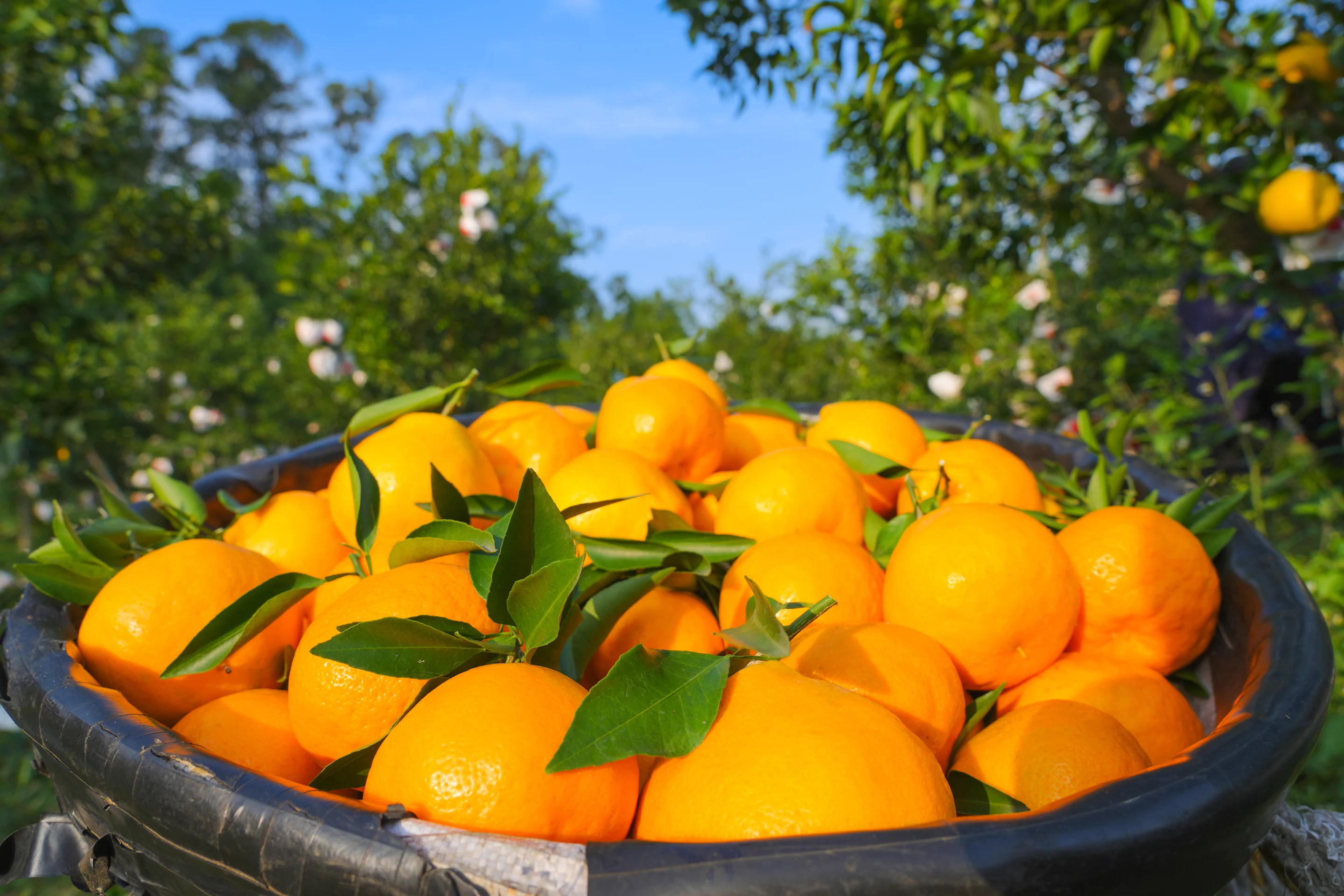
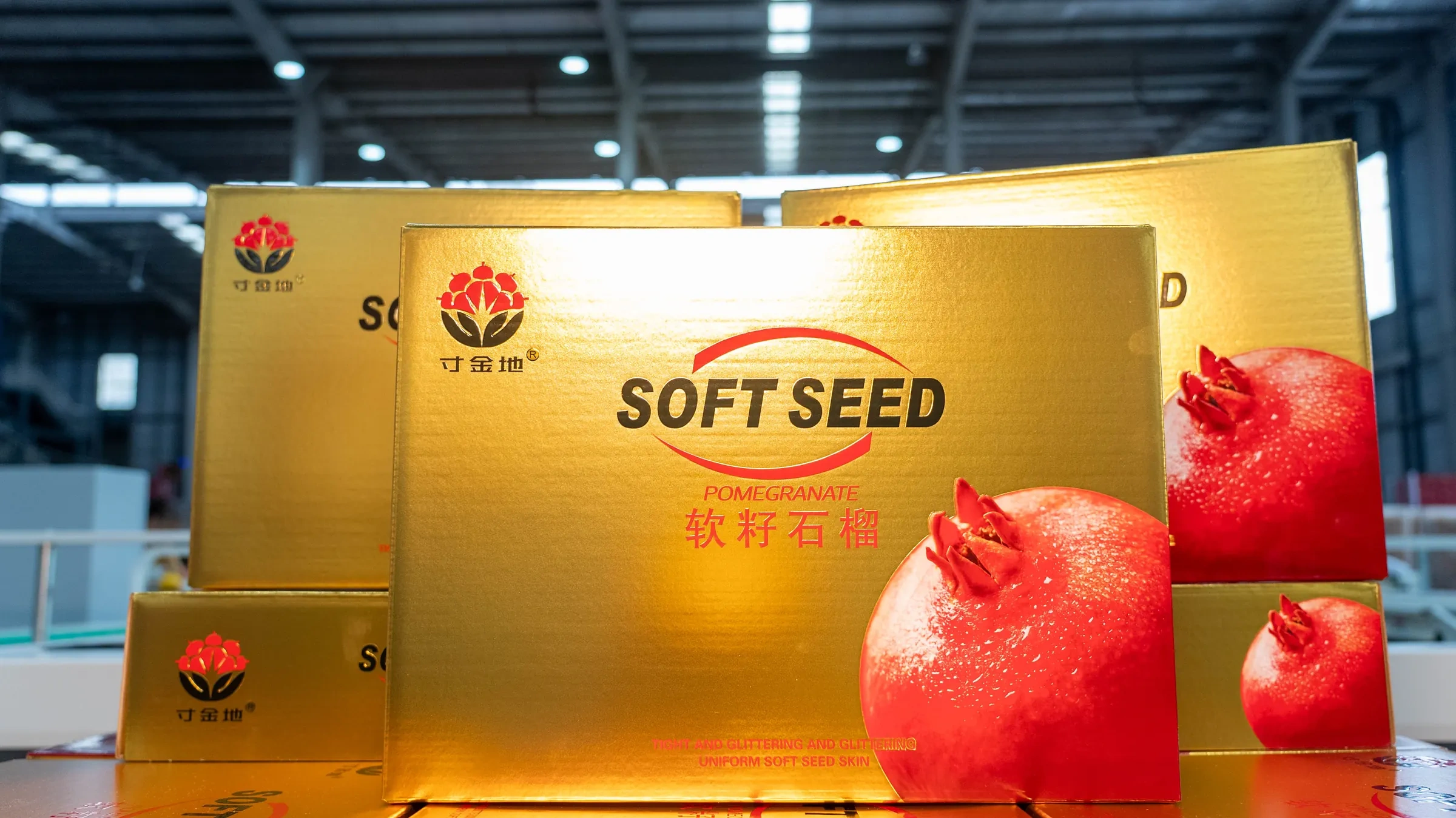
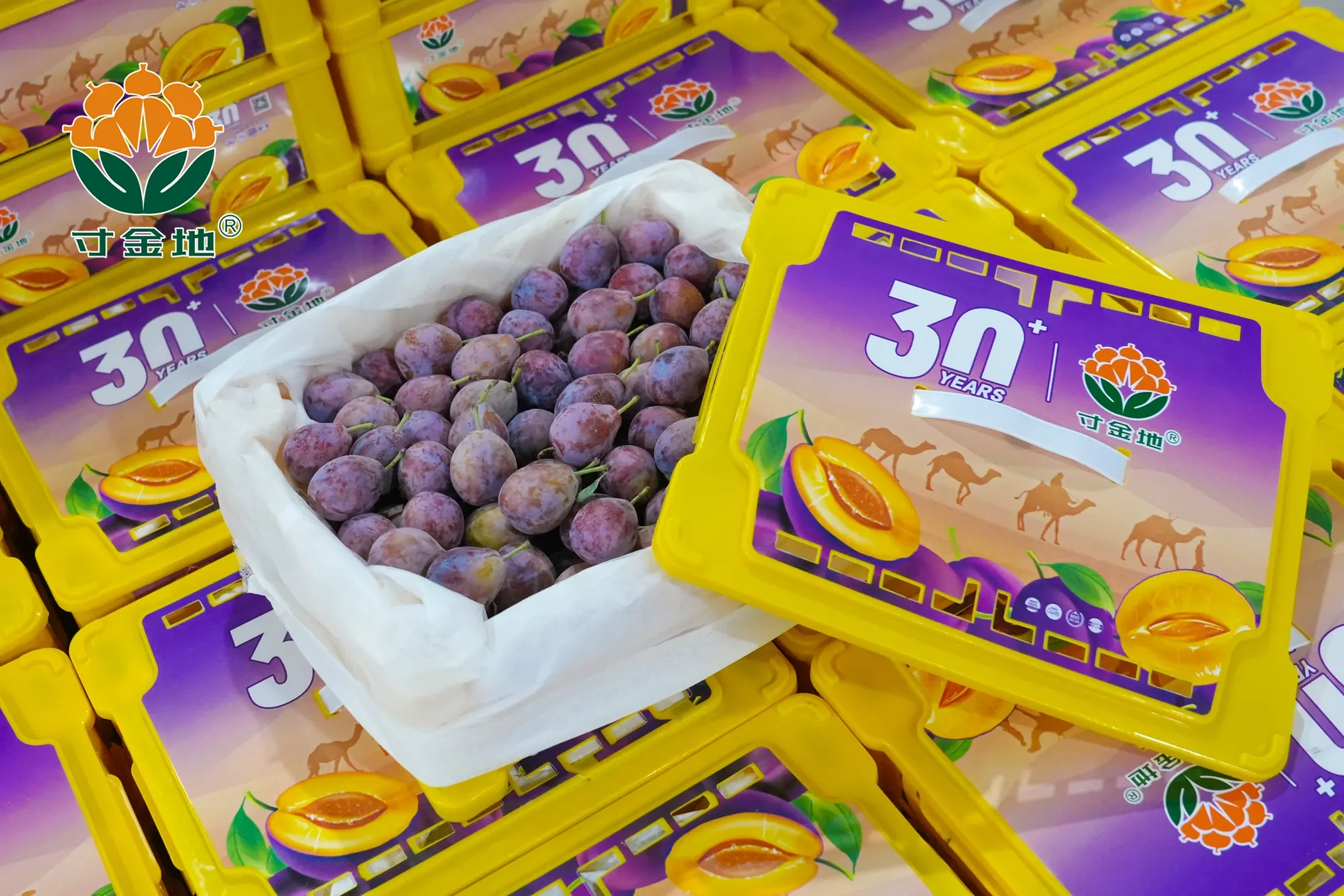
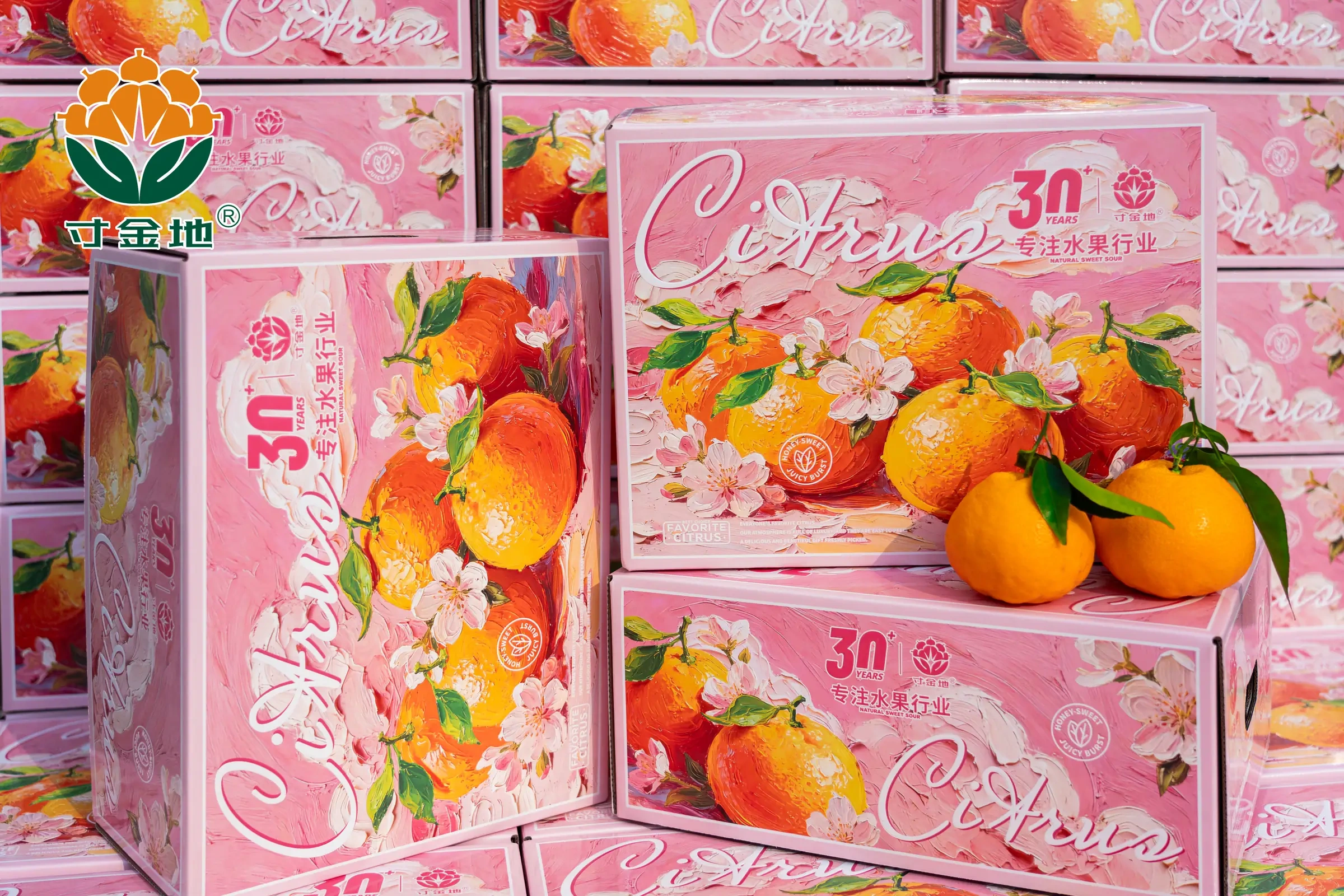
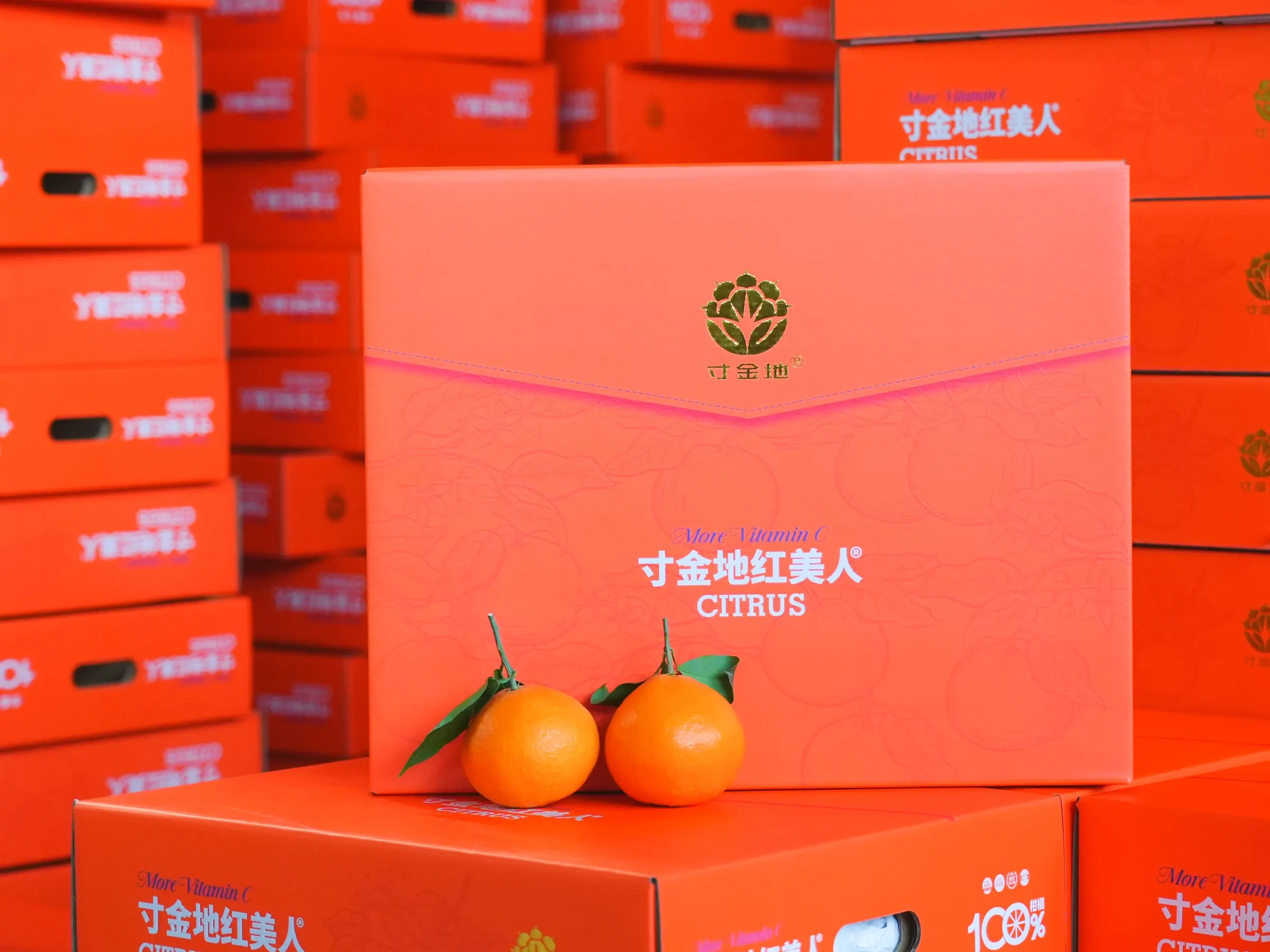
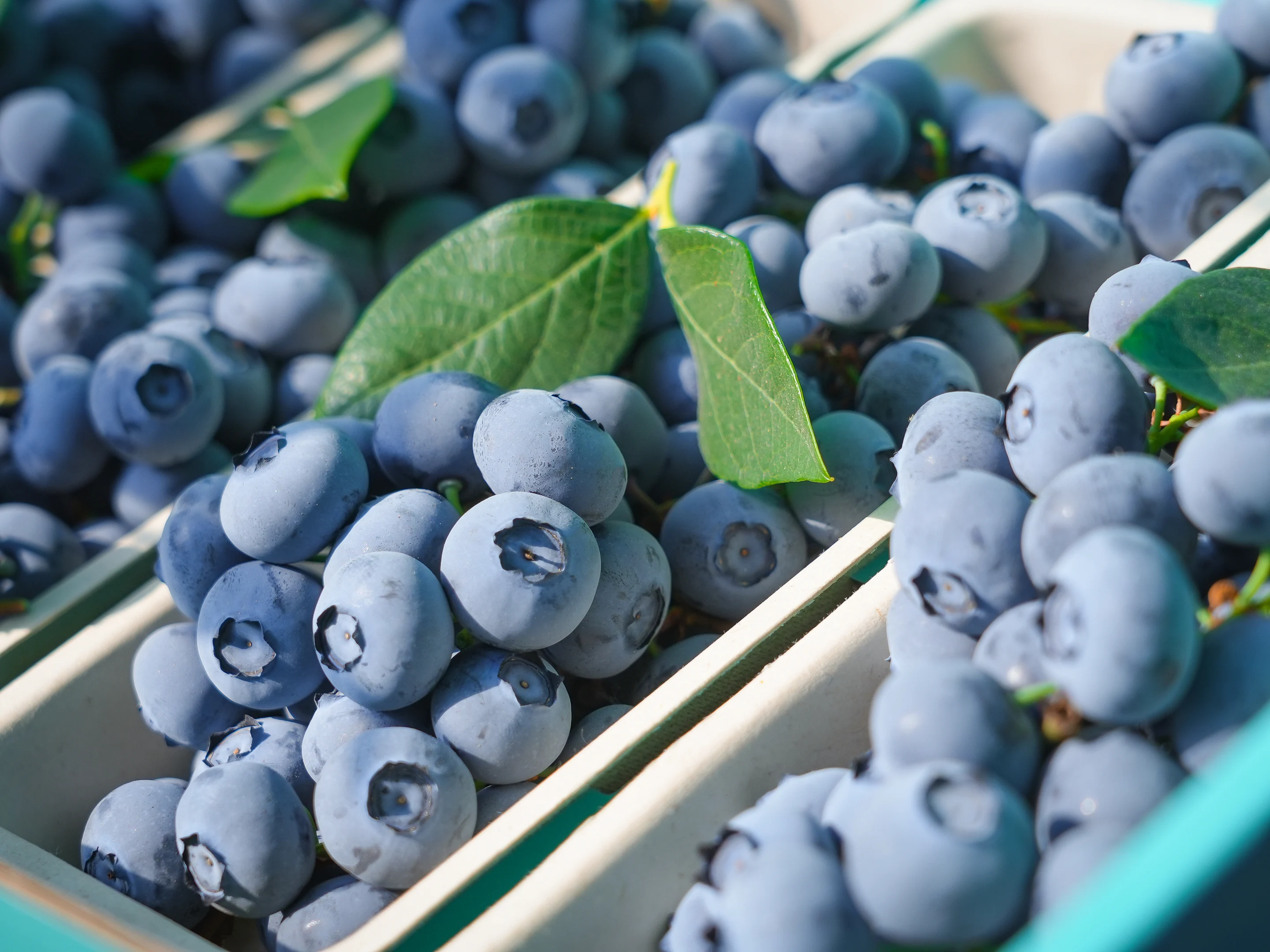
Some Cunjindi lines are grown on group-owned ground: soft-seed pomegranate, Black Diamond pomegranate, Chunjian tangerine, Kanpei citrus and Xinjiang French prune. Others are bought in from named districts: Ehime No.38 jelly orange from Sichuan, China, and Yunnan blueberry. The distinction is published on each fruit page and repeated in the fact block below.
The practical difference is control and traceability. For an own-grown line, the growing district and the group's orchard are the same. For a sourced line, the exact origin is confirmed in writing for the lot. Neither label is a quality grade by itself; the specification and the lot evidence decide that.
The fruit lines and their windows
Soft-seed pomegranate supply runs August to November, with the main harvest in September and October. Xinjiang French prune is referenced for August to September. Ehime No.38 jelly orange is referenced for November to December. Chunjian tangerine and Kanpei citrus are referenced for January to February. Yunnan blueberry is referenced for December to May.
These are planning windows. They do not confirm current stock, a harvest date or a shipment date. The fact block below carries the published specifications for the lines most often requested by new buyers.
What to verify before ordering
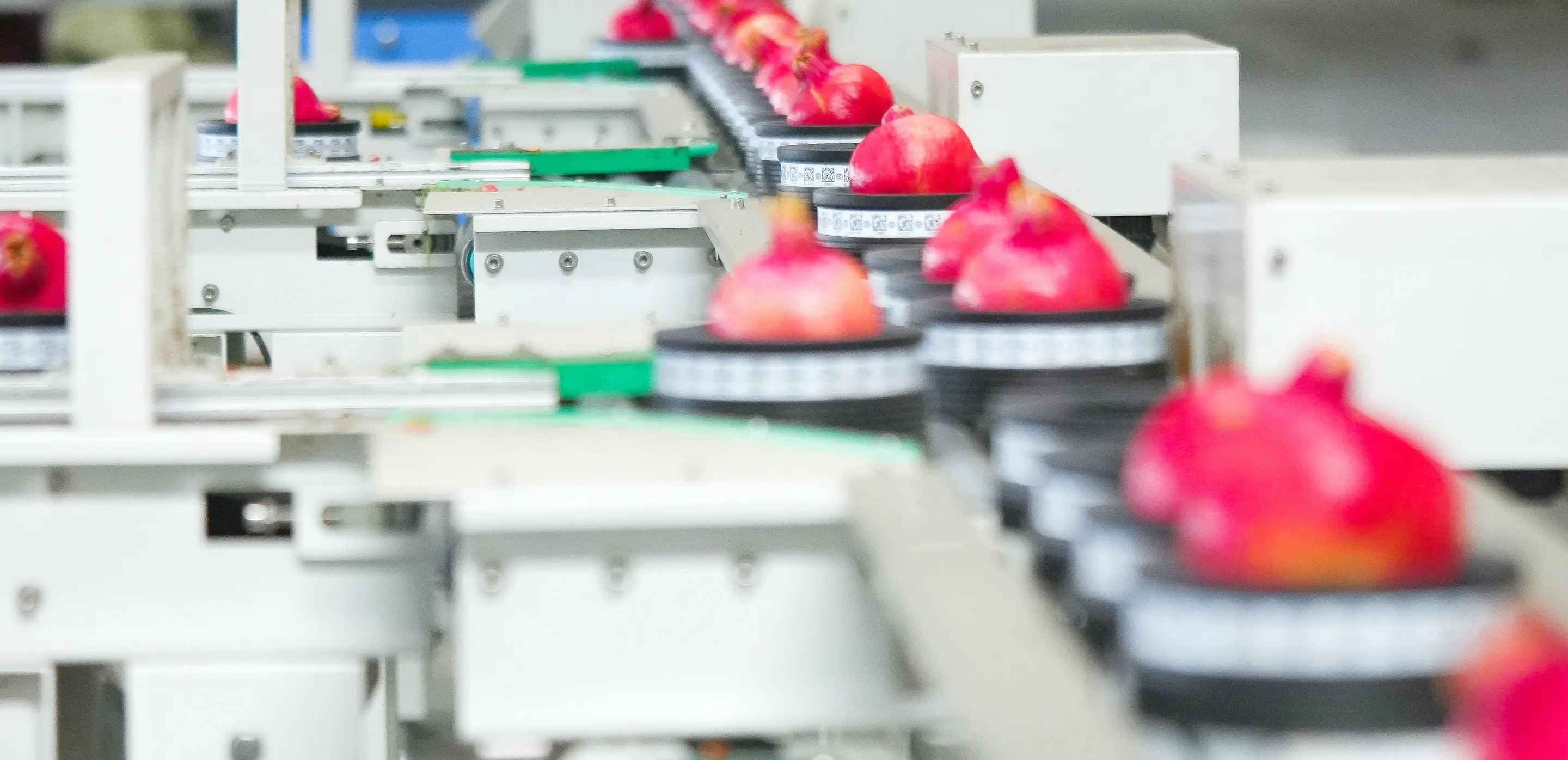
Verify the legal entity, the China Customs registration, the certificate holder and scope, the packing line, and the destination's current import requirements. Ask whether the fruit is own-grown or sourced and ask for the district in writing. A company profile and a certificate are not a substitute for order-specific confirmation.
Cunjindi publishes its registration (5101960CJJ), ISO 22000 and the citrus scope of its GLOBALG.A.P. certificate. The buyer should still confirm the documents, the lot and the destination requirements for the proposed order.
The company behind the fruit
Cunjindi is the export brand of Pujiang Tangguo Agricultural Technology Co., Ltd., a family-owned fruit group based in Pujiang County, Chengdu, Sichuan. The group traces its fruit trade to 1987 and today presents five growing regions and seven fruit lines. The export team works from the same fact file as the public pages, which is why the season, grade and certificate statements on the site can be checked against the documents.
A buyer does not need to know the family history to place an order, but the structure matters: the legal entity, the brand name and the group's growing companies are different legal layers. Ask which entity will appear on the contract and which entity holds the registration and the certificate.
How to structure a first order
Start with one fruit line and one destination. Confirm the grade or size, the pack, the quantity and the target arrival month. Ask for the lot specification, the harvest window and the documents the destination requires. If the destination is new for the supplier, allow more time for the import-permit questions rather than assuming the first quote is the final one.
The first order should be sized to what the buyer can sell or test, not to a full container the supplier can load. A smaller, well-documented trial gives both sides a real result: the buyer sees the fruit and the pack, and the supplier sees the destination's inspection and payment process.
What the certificate does and does not cover
ISO 22000 is a food-safety management certificate. GLOBALG.A.P. is held on citrus only; it does not cover pomegranate, prune or blueberry. The registered export packhouse is a Chinese export registration; it is not an import permit for the buyer's market. The buyer should verify the certificate number, holder, product scope and validity for the specific lot.
A certificate reduces some questions but never replaces the order-specific file. The invoice, packing list, phytosanitary certificate, bill of lading and any destination permit must match the fruit, the quantity and the consignee. A mismatch between the certificate scope and the fruit in the container is a delay waiting to happen.
The same discipline applies to a new destination: confirm the import requirements and the documents before the price is fixed, because a price built on the wrong assumption is not a useful offer.