Knowledge
Market access for Chinese fresh fruit in the Gulf (GCC): what importers in the UAE, Saudi Arabia and Qatar check
For importers and distributors evaluating Chinese fresh fruit for the UAE, Saudi Arabia, Qatar, Oman, Kuwait or Bahrain. This is a preparation guide based on the dated sources below; current eligibility, documents and restrictions must be confirmed with the destination authority for each order.
The cited legal background
The GCC Unified Plant Quarantine Law of 2003, enacted in Bahrain as Plant Quarantine Law No. 5 of 2003, is one of the historical sources linked below. Article 15(1) describes an import permit and a phytosanitary certificate issued by the competent authority of the exporting country. It is a starting point for document questions, not the complete current requirement for every consignment.
That text does not contain a positive list of origins. This describes the cited document; it does not show that every origin and crop is currently permitted. National implementing rules, service requirements and pest-related restrictions may need separate verification.
Before agreeing a shipment, identify the exact fruit, country of origin, destination and intended use, then ask the destination authority and importer to confirm the current requirements.
National sources to consult
Saudi Arabia. The cited WTO notification G/LIC/N/2/SAU/3 describes an import-licensing regime for fresh fruit and vegetables effective from 20 June 2021. Its stated conditions and service timing are historical source details, not a promise of current approval. Check the current Ministry of Environment, Water and Agriculture requirements for the proposed fruit and origin.
United Arab Emirates. The cited Ministry of Climate Change and Environment service concerns permits for plants and plant products. Use the current official service to confirm the documents, relevant origin or pest restrictions and any conditions applying to the proposed fruit. An earlier service description is not shipment approval.
Qatar. The cited national e-government service describes an electronic application for fruit and vegetables and lists commercial and phytosanitary documents. Confirm the current service, applicant requirements and complete document list with the responsible authority before ordering.
Oman. The cited plant-product permit service lists phytosanitary and shipping documents. Check the current document list, fees, processing information and any fruit- or origin-specific conditions directly with the responsible authority; no fee or processing time is promised here.
Kuwait. The cited Ministerial Resolution No. 6 of 2023 was published on 30 April 2023 and states an effective date of 1 September 2023. Treat it as a dated regulatory source, then confirm the classification of the actual product, current import conditions and any quarantine alerts with the competent authority.
Bahrain. The linked 2003 plant-quarantine text is historical legal background. Confirm the current national permit, phytosanitary and other consignment requirements with the responsible authority.
What the evidence can establish
An old legal text, a service description and a record of a previous shipment answer different questions. None should be treated as current approval for a new fruit, supplier or consignment.
Where an official system lists approved origins and crops, check the actual entry and its conditions. Where it describes a permit process, establish the requirements for the particular application rather than inferring approval from the existence of the service.
The absence of a prohibition in the sources cited here is not proof that no current restriction exists. Confirm the applicable national rules and any additional requirements for the exact fruit and origin.
Before the first consignment, obtain the current requirement list from the destination’s official portal or authority and review it with the importer. Check permits, phytosanitary wording, eligible establishments where applicable, pests, residues and labelling. Repeat the check when the fruit, route or applicable rules change.
Protocols and destination confirmation
A missing protocol in the sources cited here is not enough to decide that a shipment is allowed or prohibited. Ask the responsible authority whether the proposed fruit and origin require a protocol, listing, permit or another form of approval.
Do not transfer a conclusion from one destination or fruit to another. Keep the applicable requirements and the authority’s confirmation with the order information.
What a Gulf importer should have on the table
Ask the supplier which specific entity holds the Chinese customs registration for consignor and consignee of import and export goods, and check the code yourself — China publishes a public enterprise file that lets you verify it. The documents section of this site prints that code with a link to the verification page and states plainly what the registration does and does not cover.
Ask which certificates are held and, more importantly, what their scope is. A certificate covering one crop does not cover another, and a supplier who names the scope unprompted is telling you something useful about how they will behave later.
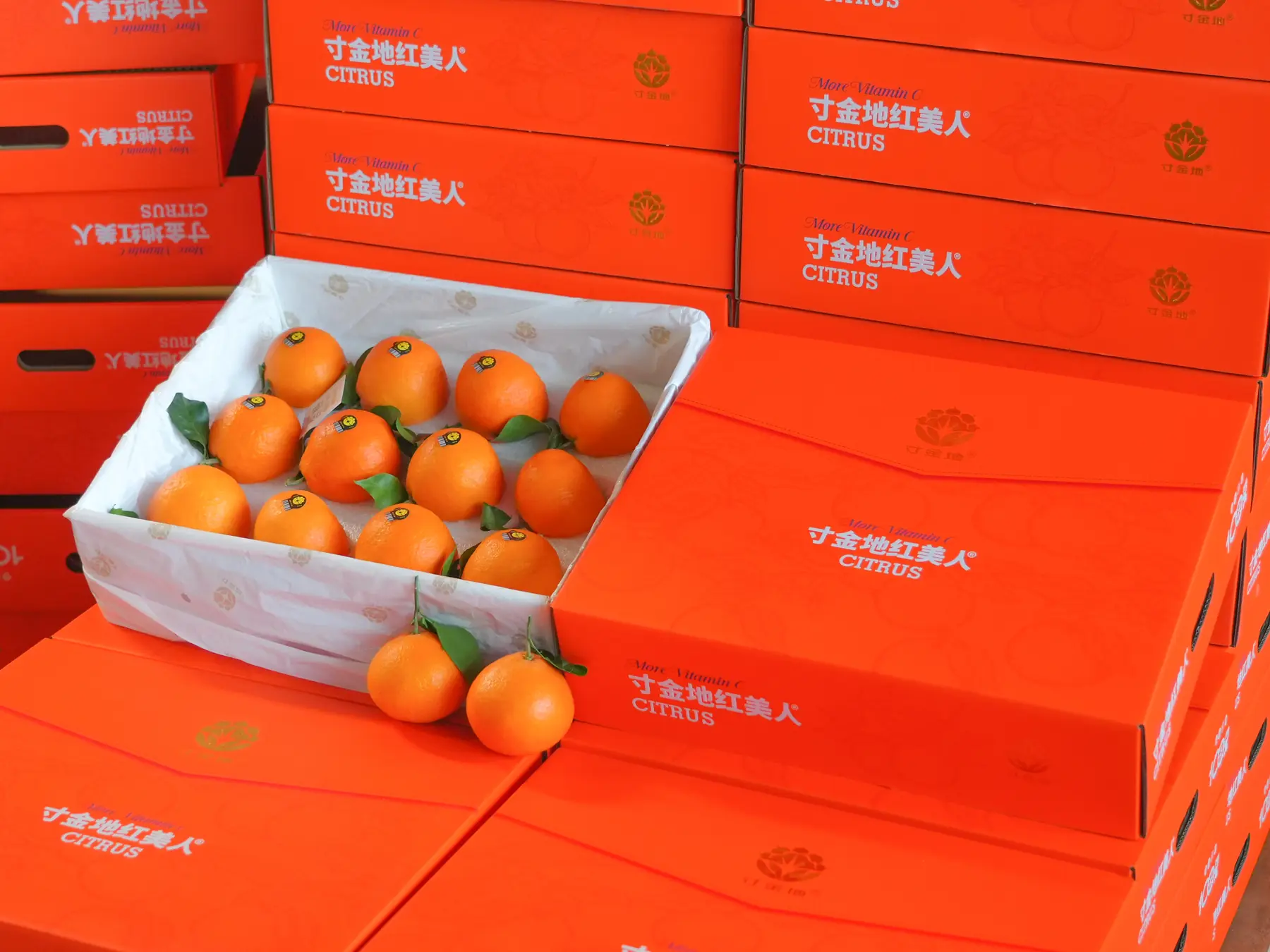
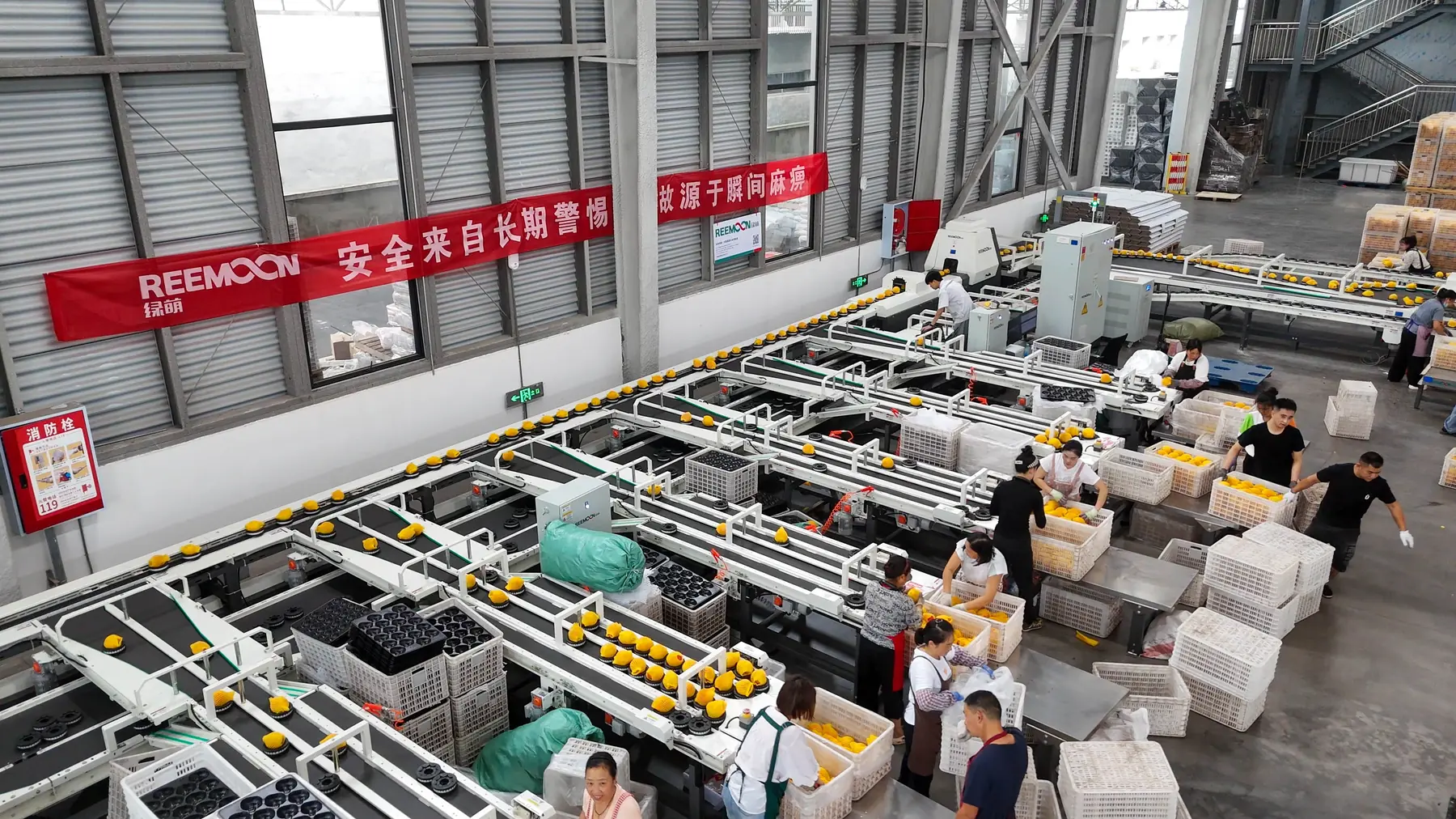
Then describe the intended transport, storage and onward distribution conditions so the supplier can assess packing and handling requirements. The packing article lists questions to discuss; the appropriate specification depends on the actual order and route.
Planning a fruit enquiry
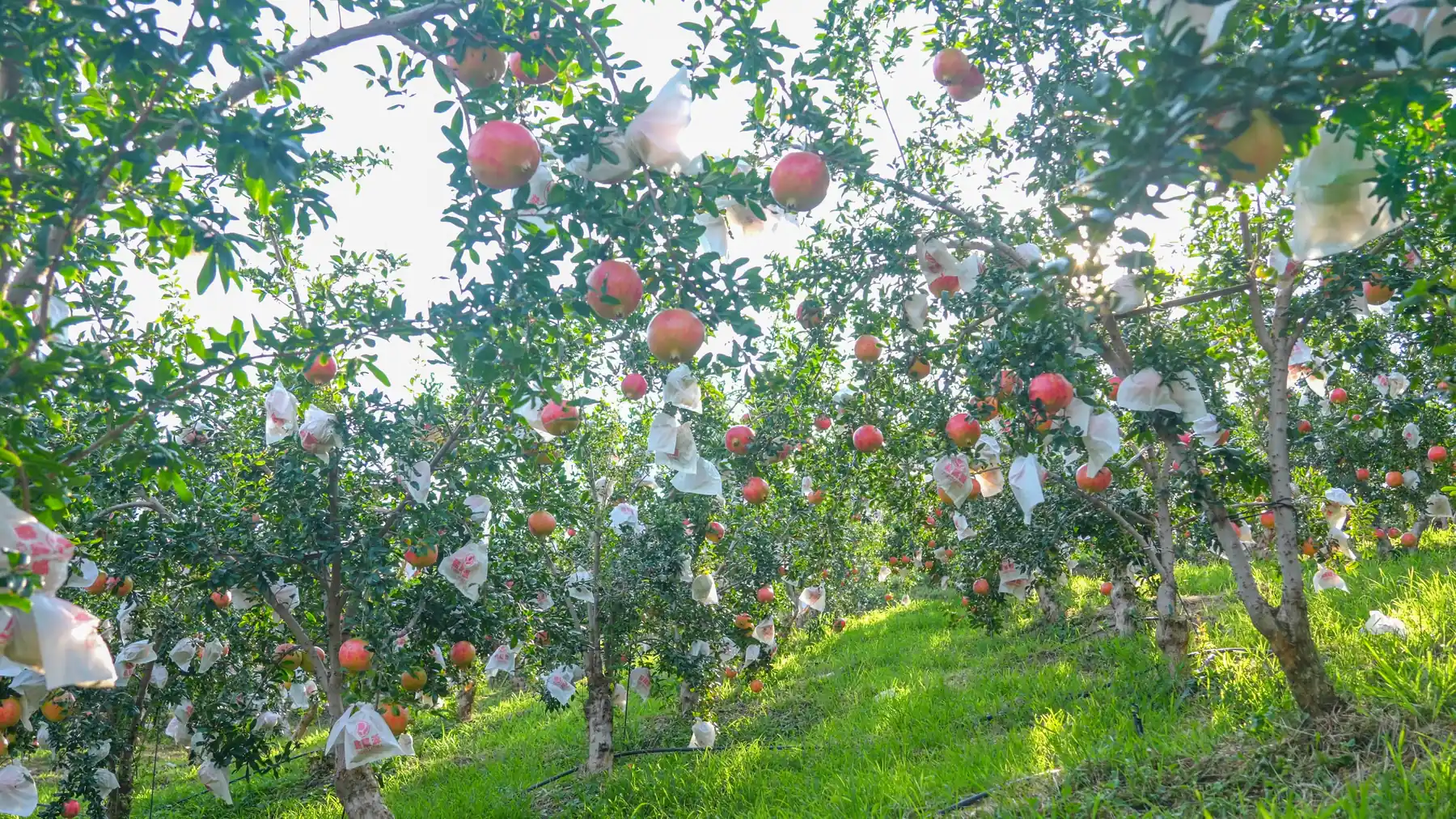
Use the fruit pages and seasonal calendar as planning references. Our supplier confirmed an August–November supply season for soft-seed pomegranates on 20 September 2026. That does not confirm a current lot, shipment date or destination approval. Share the intended quantity, packing and timing so availability and shipment requirements can be reviewed for your order.