What Brix can—and cannot—tell a buyer
A Brix reading estimates the concentration of soluble solids in fruit juice. Sugars form a major part of those solids, but the reading is not a complete measurement of flavour, maturity or eating quality. Two pomegranates can show similar Brix values while tasting different because their acidity, aroma, texture and ripeness are different.
That is why buyers should avoid treating one high result as a complete quality verdict. A more useful question is: what did the sample taste like at that Brix, and can the proposed shipment lot be assessed on a comparable basis?
Sugar-acid balance gives the Brix figure more meaning. When both Brix and titratable acidity are measured, a sugar-acid ratio can be calculated by dividing the Brix value by the acidity value. The parties should record the acidity method and units because a ratio is not comparable when the underlying measurements are expressed differently.
If acidity is not being measured, do not present a numerical sugar-acid ratio. Record a sensory description instead, such as sweet, balanced or distinctly sweet-tart. This is less precise than a laboratory measurement, but it keeps an opinion separate from a measured value.
Read the Huili sample numbers in context
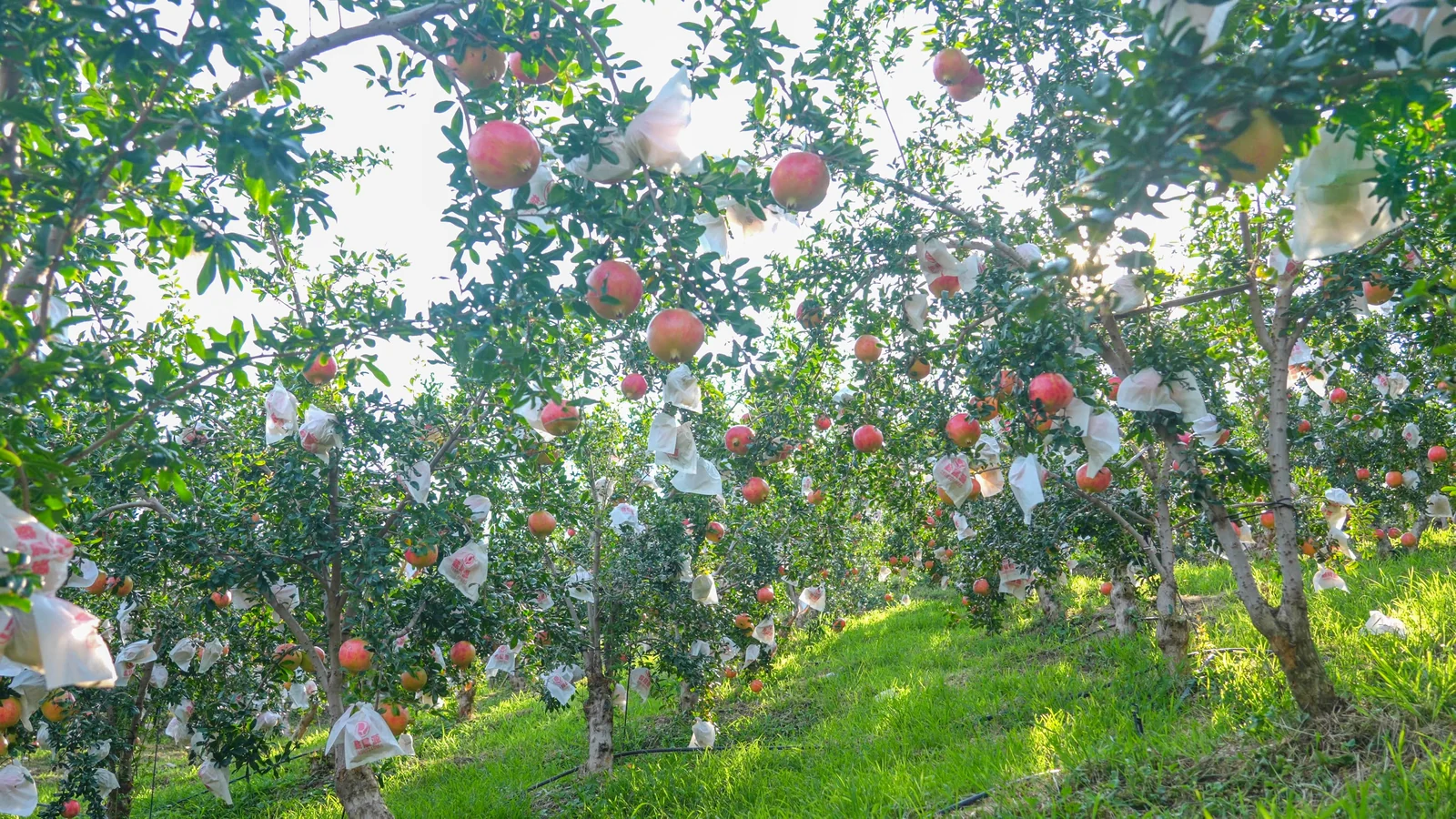
The relevant sample record is for Huili, Sichuan, China. Samples tested on 20 September 2026 showed soft-seeded pomegranates averaging 18.35° Brix, with individual readings from 18.2° to 18.5°. Sweet-tart pomegranates averaged 19.28° Brix, with a range from 18.9° to 19.8°.
These readings were not tied to an identified shipment lot and are not a minimum guarantee for an order. They should therefore be read as a dated description of the tested samples, not as a promise that every fruit, carton or future lot will reach the same level.
The range is as important as the average. An average indicates the centre of the recorded results, while the range shows how far apart the lowest and highest readings were. Neither figure is fully informative without the sample count and selection method. Five deliberately selected ripe fruits and a broader sample taken across cartons do not answer the same commercial question.
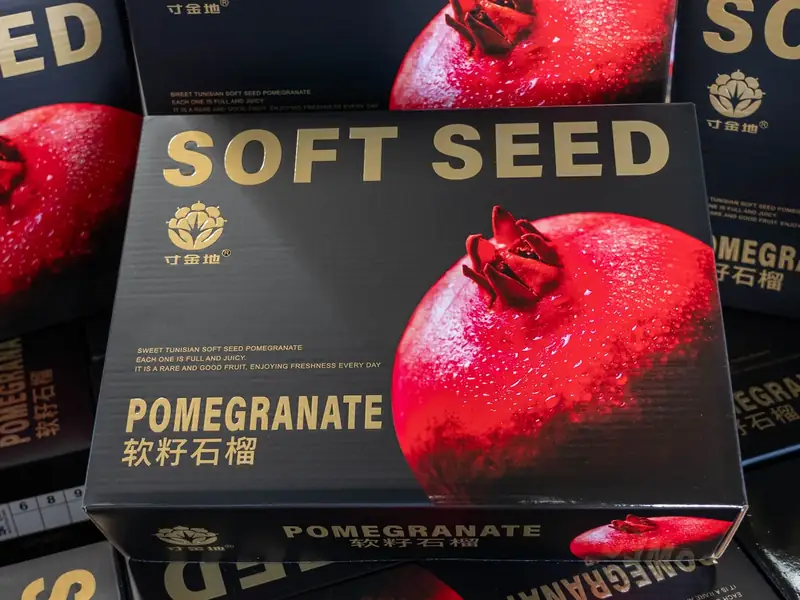
The catalogue reference for soft-seed pomegranate lists 16–18° Brix, but catalogue specifications are variety references rather than current stock or a confirmed lot. A catalogue figure can help a buyer prepare an enquiry. A contractual specification, by contrast, needs agreed wording connected to the proposed lot, an agreed measurement method and a defined acceptance rule.
Compare the sample and lot with a two-stage sheet
A practical comparison starts with two separate columns: reference sample and proposed shipment lot. Do not overwrite the sample record with a later result. Keeping both columns preserves the evidence needed to see whether the tests are genuinely comparable.
Record the variety or commercial type first. Soft-seeded and sweet-tart samples should not be combined into one average. Then record the sample date, sample count, source within the fruit selection, ripeness description and juice-preparation method. Note whether juice came from individual fruits or from a pooled sample, because pooling can conceal variation between fruits.
Temperature should also be recorded. Refractometer readings can be affected by sample and instrument temperature, even where temperature compensation is available. Buyers do not need to invent a laboratory standard; they need a repeatable method agreed with the supplier or inspector. Using the same instrument type, preparation method and temperature approach makes the comparison more useful.
The sheet should provide spaces for every individual reading, not only the average. It can then show the calculated average, minimum, maximum and range. If acidity is tested, add the result, method, units and calculated sugar-acid ratio. If it is not tested, add a separate sensory note without converting that note into a numerical ratio.
For the proposed lot, include its identifier and the cartons or positions represented by the sample. The key controls are a sample linked to the proposed lot and a measurement protocol agreed before testing. This helps prevent a good pre-season or catalogue sample from being treated as evidence for unrelated fruit.
Copyable sample-request checklist
Buyers can paste the following text into a fruit enquiry or inspection brief:
- Product or commercial type:
- Origin requested:
- Proposed lot identifier, if available:
- Purpose of test: reference sample / proposed-lot check / pre-shipment check
- Sampling date:
- Number of fruits tested:
- How fruits will be selected across cartons or positions:
- Ripeness and external-condition notes:
- Individual-fruit juice or pooled juice:
- Juice-preparation method:
- Refractometer type or identification:
- Sample and instrument temperature approach:
- Individual Brix readings:
- Average Brix:
- Minimum and maximum Brix:
- Recorded range:
- Titratable acidity requested: yes / no
- If yes, acidity method and units:
- Calculated sugar-acid ratio, if applicable:
- Sensory note kept separate from measurements:
- Requested lot specification or reporting requirement:
- Acceptance rule to be agreed:
- Person or inspection party recording the result:
This format does not prescribe a universal test standard. Its purpose is to expose differences in sampling and measurement before two results are compared. Buyers can shorten it when only a reference sample is needed, but lot identity, sample count, individual readings and method should remain visible.
Turn reference data into an order specification
A useful specification says more than “Brix as sample.” That phrase leaves unanswered which sample is meant, whether the figure is an average or minimum, how many fruits are tested and what happens when readings vary.
Instead, write the commercial requirement in measurable terms. State whether the requested figure applies as an average, an individual-fruit minimum or a reporting target. Define the sampling stage and ask for the individual results as well as the summary. If sugar-acid balance is central to the programme, request acidity testing with the method and units recorded.
For Cunjindi enquiries, available quantity, picking dates and dispatch dates are confirmed for each order. Current grade, packing and availability are confirmed for the enquiry. This separation matters: a dated sample can guide the flavour discussion, but the proposed lot still needs its own confirmation.
Send us your fruit type, intended specification, packing needs and sample-request checklist through the buying-enquiry form. We can then discuss the requirement around the relevant proposed lot rather than treating a catalogue or dated sample reading as a shipment-wide promise.
Sources and further reading
Soft-seed Pomegranate
Availability and commercial details