For an importer, “soft-seed” should be more than a variety label. It should describe the eating experience expected by the target market. A clear RFQ separates that requirement from origin, fruit weight, packing and commercial timing.
Start with the intended eating experience
In general usage, soft-seed pomegranates are selected when consumers are expected to chew and swallow the whole aril, including the inner seed. Hard-seed fruit provides a firmer crunch and may be acceptable when consumers discard the inner seed or when the fruit is intended for juicing or other processing.
However, the words “soft” and “hard” do not create a universal measurable threshold. Two suppliers may use the same term while describing different textures. Buyers can reduce ambiguity by including a simple sensory acceptance method.
For example, an illustrative internal scale could be:
1 = very soft inner seed, easy to chew with the aril
3 = noticeable inner seed with moderate resistance
5 = hard inner seed with strong resistance
Ask the supplier to state which level best describes the proposed lot, then check representative arrival samples against the same scale. This makes the decision easier to repeat across procurement, quality-control and retail teams.
Keep “Tunisian soft-seed” separate from origin
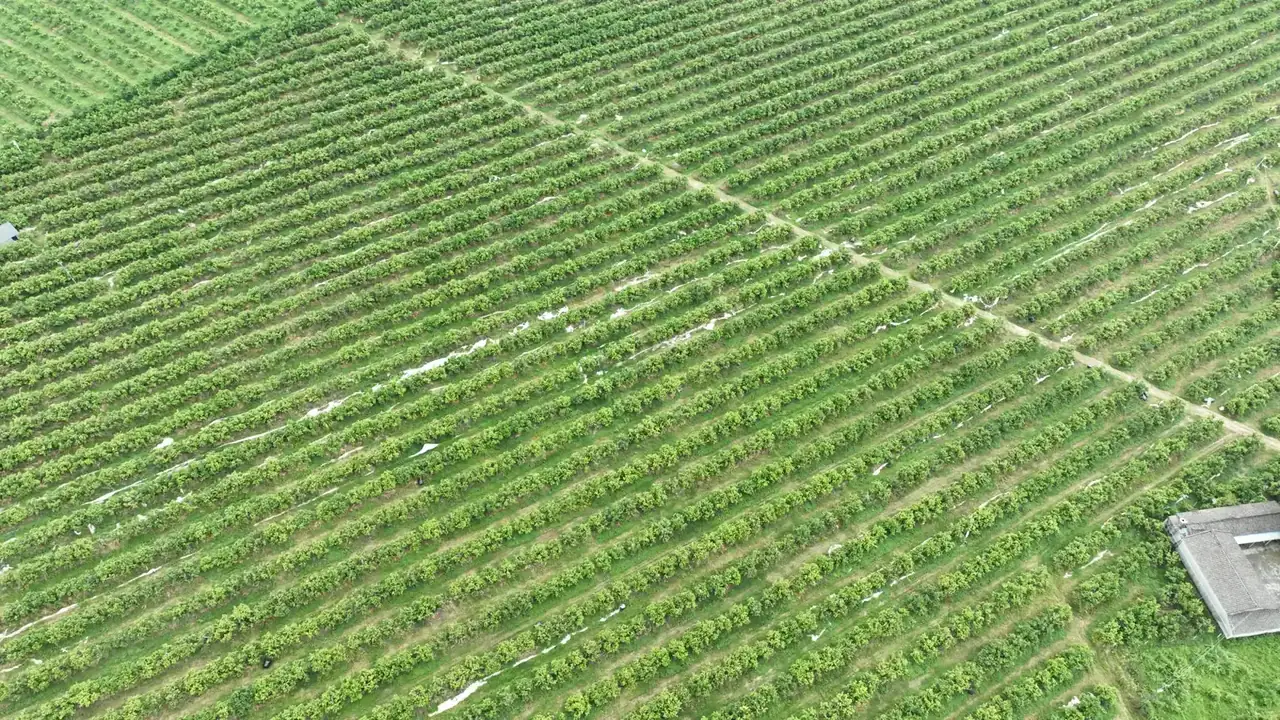
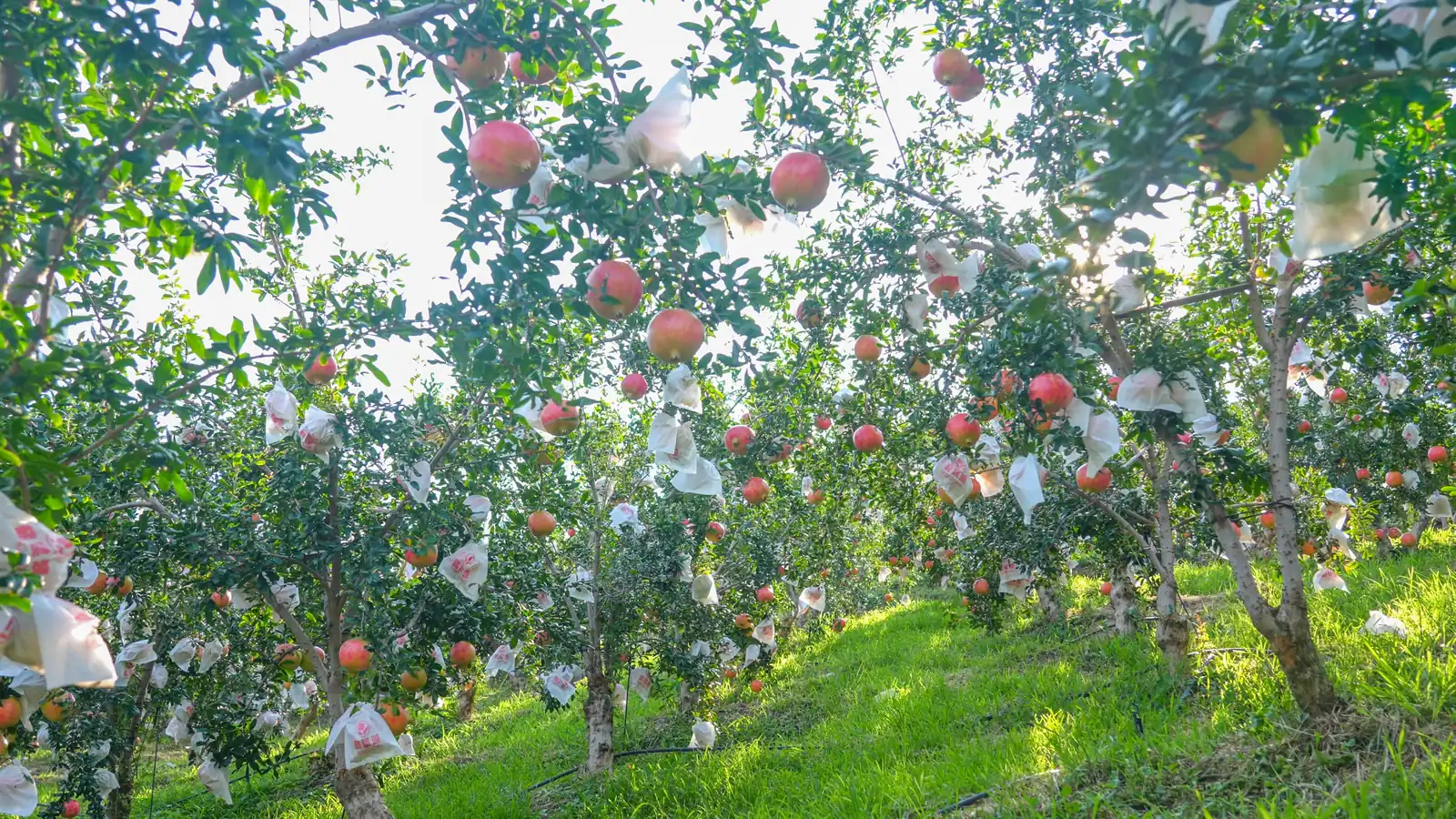
Cunjindi’s approved product name is Soft-seed Pomegranate, and its origin is Huili, Liangshan, Sichuan, China. The fruit is grown on land owned by our fruit-business family group and operated through family-owned companies.
If your internal specification uses “Tunisian soft-seed,” treat that wording as buyer terminology rather than an origin statement. In the RFQ, write the required trade or variety wording in one field and the required production origin in another. This avoids accidentally presenting “Tunisian” as the country of origin when the requested fruit is from Huili, Sichuan, China.
Where exact cultivar identity matters for registration, labelling or customer approval, request confirmation of the proposed lot’s variety or trade name rather than relying on an abbreviated category name.
Copyable RFQ wording
The following template can be pasted into a buying enquiry:
Product: Fresh soft-seed pomegranate
Required origin: Huili, Liangshan, Sichuan, China
Buyer terminology, if applicable: Tunisian soft-seed
Intended use: Fresh retail / foodservice / processing
Required eating texture: Inner seed should be easy to chew with the aril
Illustrative texture target: Level [1–5] using buyer’s sensory scale
Fruit-weight specification: [insert required range]
Pack format: [4 kg carton / 5 kg carton / 2 kg gift box / other request]
Destination: [country, port or receiving point]
Target quantity: [insert quantity]
Required dates: [arrival, dispatch or programme period]
Labelling requirements: [insert details]
Cunjindi’s supplier-confirmed supply season for Soft-seed Pomegranate is August through November. Available quantity, picking dates and dispatch dates are confirmed for each order. Standard references include 4 kg or 5 kg single-layer cartons and a 2 kg gift box, while the current grade and packing should be confirmed for the enquiry.
Make the name serve the specification
The most useful RFQ does not ask only for “soft-seed” or “hard-seed.” It explains the intended eating experience, records the origin independently and defines how the buyer will assess texture. That structure also helps prevent a familiar trade term from being mistaken for a confirmed cultivar or country of production.
Send us your fruit, destination, company details, target quantity, packing preferences and dates through the website enquiry form. Our sales team will review the proposed lot and terms case by case.
Sources and further reading
Soft-seed Pomegranate
Prepare and submit a buying enquiry