Start with legal names, not the brand
A brand name alone is not enough for exporter due diligence. Before approving a supplier, identify the legal entities expected to appear on the quotation, contract, export declaration, invoice and supporting documents.
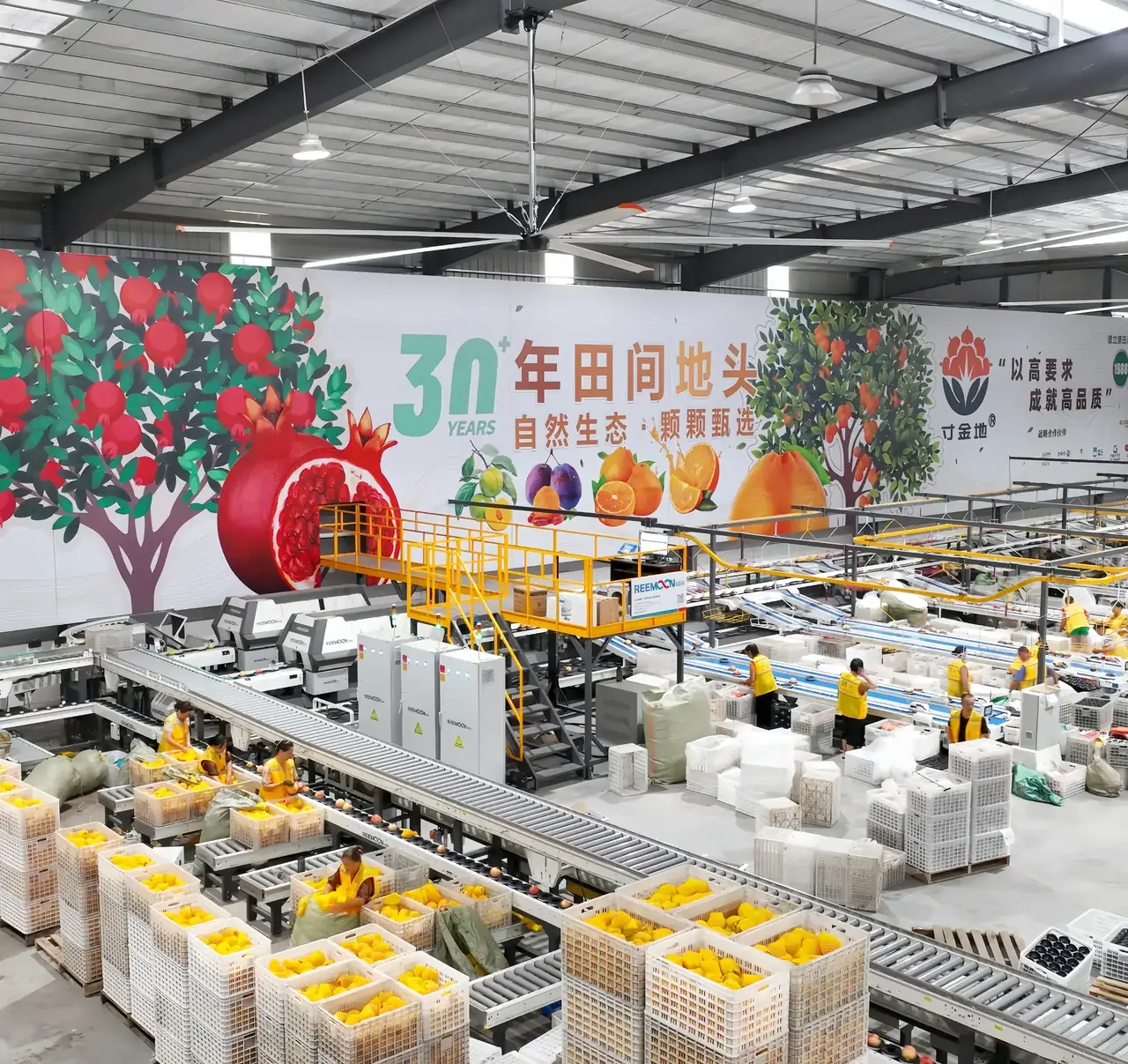
Cunjindi is the fresh-fruit brand of Pujiang Tangguo Agricultural Technology Co., Ltd. Its fruit-business roots go back to 1987, but that is a brand-history date rather than the company’s legal incorporation date.
Ask the supplier to state the proposed contracting party and exporter in both Chinese and English. Your customs broker or local adviser can then check the exact legal name and registration identifier through the relevant official records. Compare the result character by character; shortened names and translations can otherwise hide whether two records refer to the same entity.
Build a counterparty map
Create one row for each commercial or operational role rather than assuming that one company performs every role. Use these fields:
Role: contracting seller / exporter / packhouse / certificate holder / producer
Exact legal name:
Chinese legal name:
Registration or certificate identifier:
Fruit and activity covered:
Document validity or lookup date:
Evidence reviewed by:
Unresolved difference:
Different names are not automatically a rejection reason. The useful test is whether each entity’s role is explained in writing and whether the documents correspond to the proposed fruit, destination and transaction.
Apply the map to Cunjindi’s records
The published ISO 22000 scan names Pujiang Tangguo Agricultural Technology Co., Ltd. and gives the scope as “Processing of fresh fruit (pomegranates and citrus)”. The published GLOBALG.A.P. first page instead names JINTANG COUNTY TAK HANG CITRUS CO-OPERATIVE SOCIETY, and its listed product scope is citrus only. It does not cover pomegranate or prune.
These public scans are document copies, not evidence of current registry validity. On 20 September 2026, the supplier confirmed completion of the export packhouse registration. Chengdu Xianguo Supply Chain Management Co., Ltd. is the domestic plant-registration and supply-chain entity. The exporter and contracting party are confirmed per order.
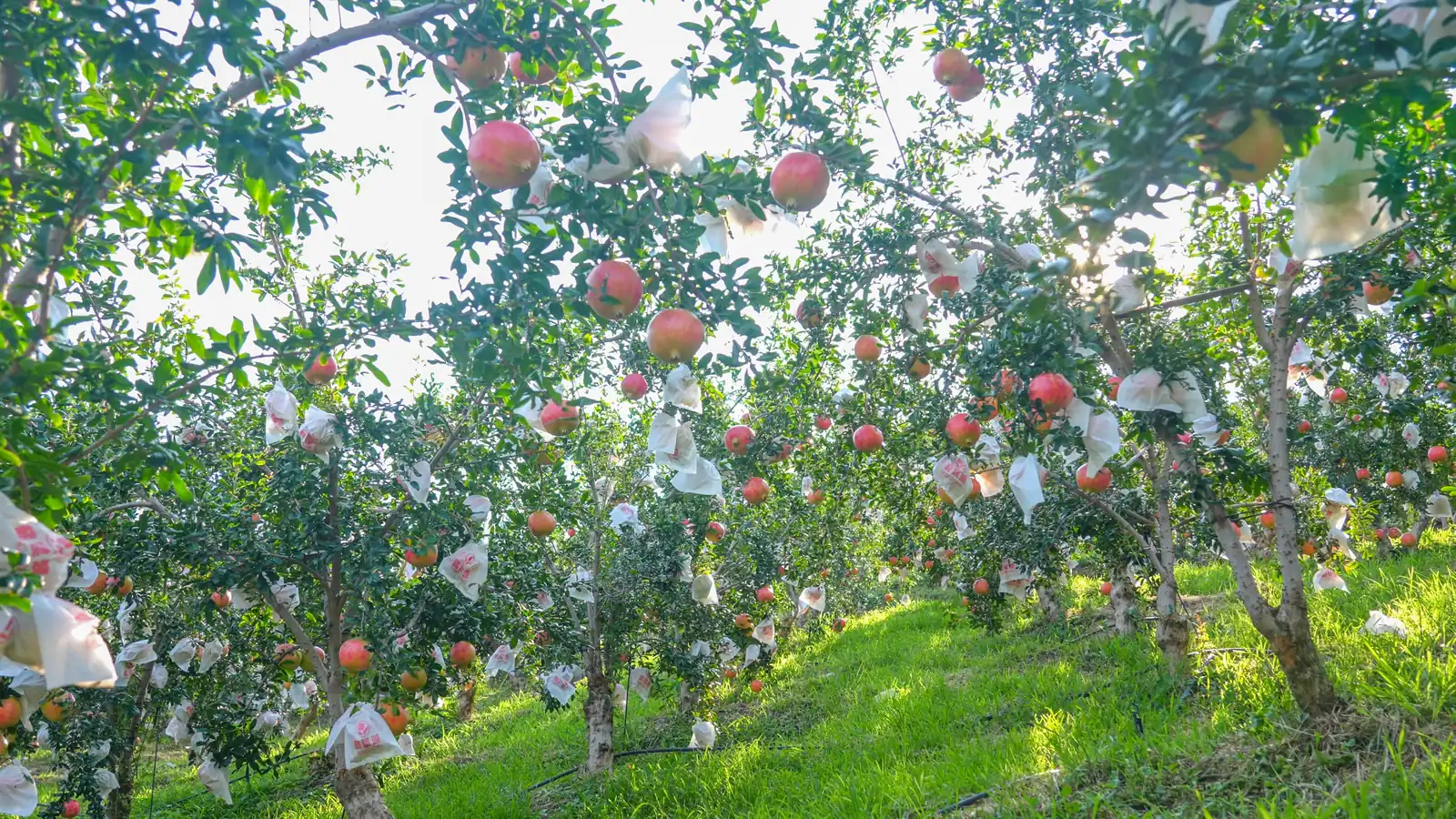
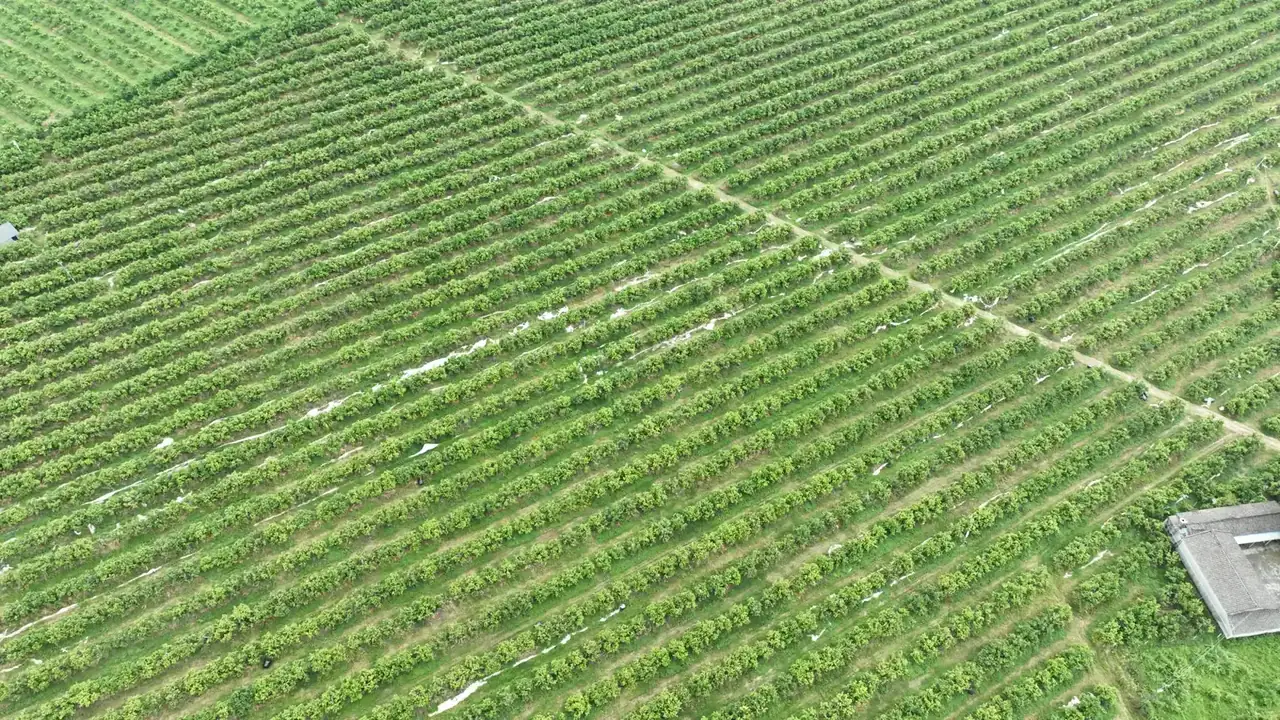
Source status also belongs in the map. The family group identifies Jintang, Huili, Yunnan, Xinjiang and Hunan as its five growing regions, on land owned by the fruit-business family group and operated through family-owned companies. Huili is the family-group-owned pomegranate base, while Yunnan and Xinjiang have prunes. Ehime fruit is sourced from Meishan and Danling rather than treated as another group growing region.
Before approval, make two points order-specific: confirm the exact exporter and contracting party, and verify the current holder, scope and validity of documents relevant to the selected fruit and destination.
Send one written verification request
A concise request can read:
“Please confirm for our proposed [fruit] order to [destination]: the contracting seller; the exporter; the packhouse entity; the fruit’s owned-group or sourced origin status; and the current holder, scope and validity of each document proposed for this order. Please also identify the shipment documents and any third-party inspection arrangement to be reviewed for the lot and destination.”
Paste this request into the website enquiry form together with your company, contact email, target quantity, packing preferences and dates. This gives the sales team a specific transaction against which to confirm the relevant entities and records.
Sources and further reading
About Cunjindi
Public certificate scans and their scope
Growing regions and sourced fruit
Prepare and submit a buying enquiry