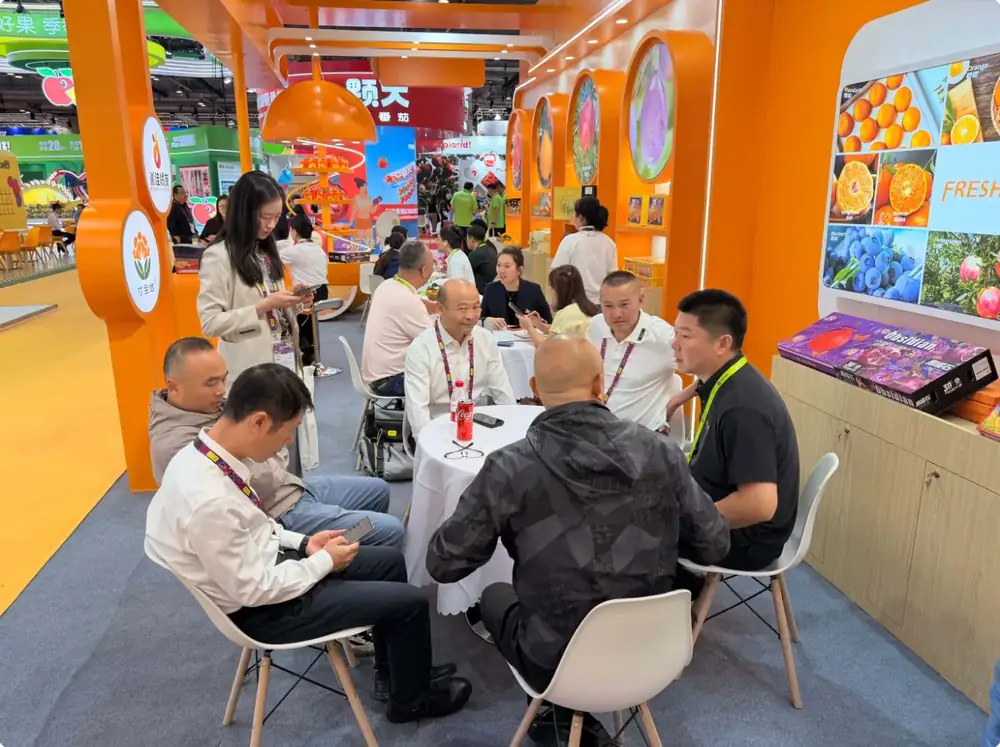
A useful trade-show conversation can cover many topics in a few minutes. Once the event is over, the next step is to turn that discussion into a written brief that a supplier can check against a specific order.
The aim is not to reproduce every detail of the conversation. It is to identify the commercial decision you need to make and provide the information required to evaluate it.
Start with the exact fruit and destination
Name the fruit first, using the commercial name discussed at the show rather than a broad category such as “citrus” or “plums.” Cunjindi’s six fruit lines are Chunjian Tangerine, Soft-seed Pomegranate, Ehime No.38 Jelly Orange, French Prune, Green Honey Plum and Yunnan Blueberry.
If your discussion covered more than one fruit, give each product a separate line in the enquiry. This makes it easier to assign different quantities, packing formats or delivery windows without creating ambiguity.
The destination should be equally precise. State the destination country and the relevant port, city or distribution point. If the fruit is intended for a particular retail, wholesale or food-service channel, mention that too, because presentation and labelling priorities may differ.
Convert interest into measurable requirements
Replace general phrases such as “a trial order” or “retail packing” with figures and specifications. Give the target quantity and its unit, and explain whether it represents one shipment, an initial purchase or a broader programme under consideration.
For packing, state the desired net weight, presentation and labelling needs. Presentation can cover the format the buyer expects, such as loose fruit in a carton or smaller consumer units. Labelling notes should identify the language, market information or buyer-specific details that need to be discussed.
Packing, availability, commercial terms and shipment dates are confirmed for the specific enquiry.
If you have a reference image from the show, translate its important features into words rather than relying on the image alone. Describe the carton or consumer pack, net weight, internal presentation and required label content. A written specification is easier to compare with the proposed order.
Separate the timing window from the document list
Write dates as an operational window. Clarify whether you mean the preferred dispatch period, arrival period or the date by which fruit is needed for a promotion. If flexibility is possible, provide an acceptable range rather than one unexplained date.
Document requests should also be specific. List the documents your importer, customer or destination market requires, and identify which fruit they must cover. Avoid asking generally for “all certificates,” as certificate holders and product scopes may not match every fruit line.
Shipment documents and any proposed third-party inspection require lot- and destination-specific review.
Send one brief that can be checked
Finish with your company name, contact email and the person responsible for the next step. Cunjindi enquiries can be submitted through the website enquiry form or sent to sales@cunjindi.com. The enquiry should include the fruit, destination, company, contact email, target quantity, packing preferences and dates.
Before sending, read the brief once as if you had not attended the show. If the fruit, market, volume, pack, timing and required documents are clear without additional context, the supplier has a practical basis for reviewing the request.
To continue a conversation or open a new buying enquiry, enter these details in Cunjindi’s website enquiry form so the proposed lot and terms can be reviewed.
Sources and further reading
The six fruit lines
Prepare and submit a buying enquiry
Availability and commercial details
Brand packaging and order specifications
Public certificate scans and their scope