When importers compare fruit by origin, the first task is not simply to collect place names. It is to understand what each place represents in the supplier’s range. That distinction matters because a name may refer to a family-group-owned growing region, a sourced district, or a company and sorting location.
Cunjindi presents six fruit lines: Chunjian Tangerine, Soft-seed Pomegranate, Ehime No.38 Jelly Orange, French Prune, Green Honey Plum and Yunnan Blueberry. The practical question is how buyers should connect those lines with the origin descriptions provided for them.
Start with the five group growing regions
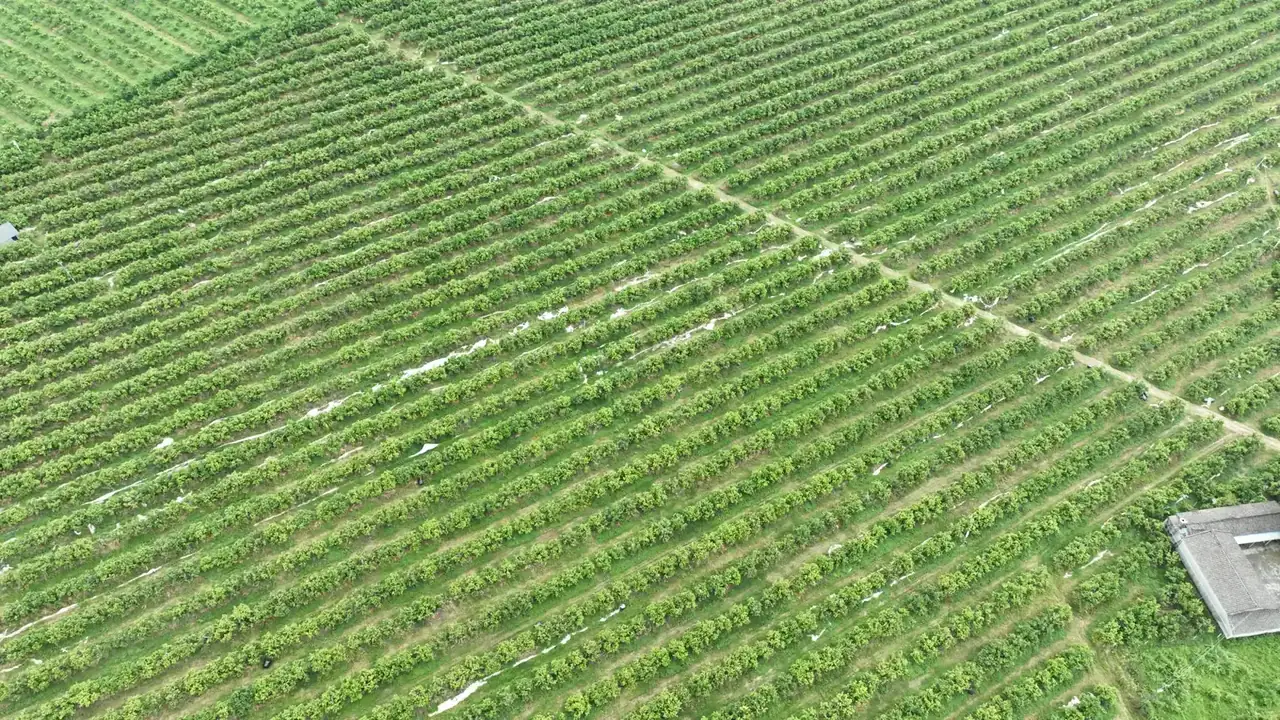
The five group growing regions are Jintang, Huili, Yunnan, Xinjiang and Hunan. These regions are presented in the scope of the family business group rather than as assets belonging only to one legal entity.
Pujiang, Sichuan, China is a company and sorting location, not another growing region in the five-region list. This is an important distinction when preparing an origin statement for internal purchasing records or comparing supplier information.
For citrus, Jintang is identified as a citrus-growing region, while Hunan is presented separately as a region for new-variety citrus. Buyers should therefore retain the specific fruit name in an enquiry rather than using the broad word “citrus” alone.
Connect the directly named fruit and region references
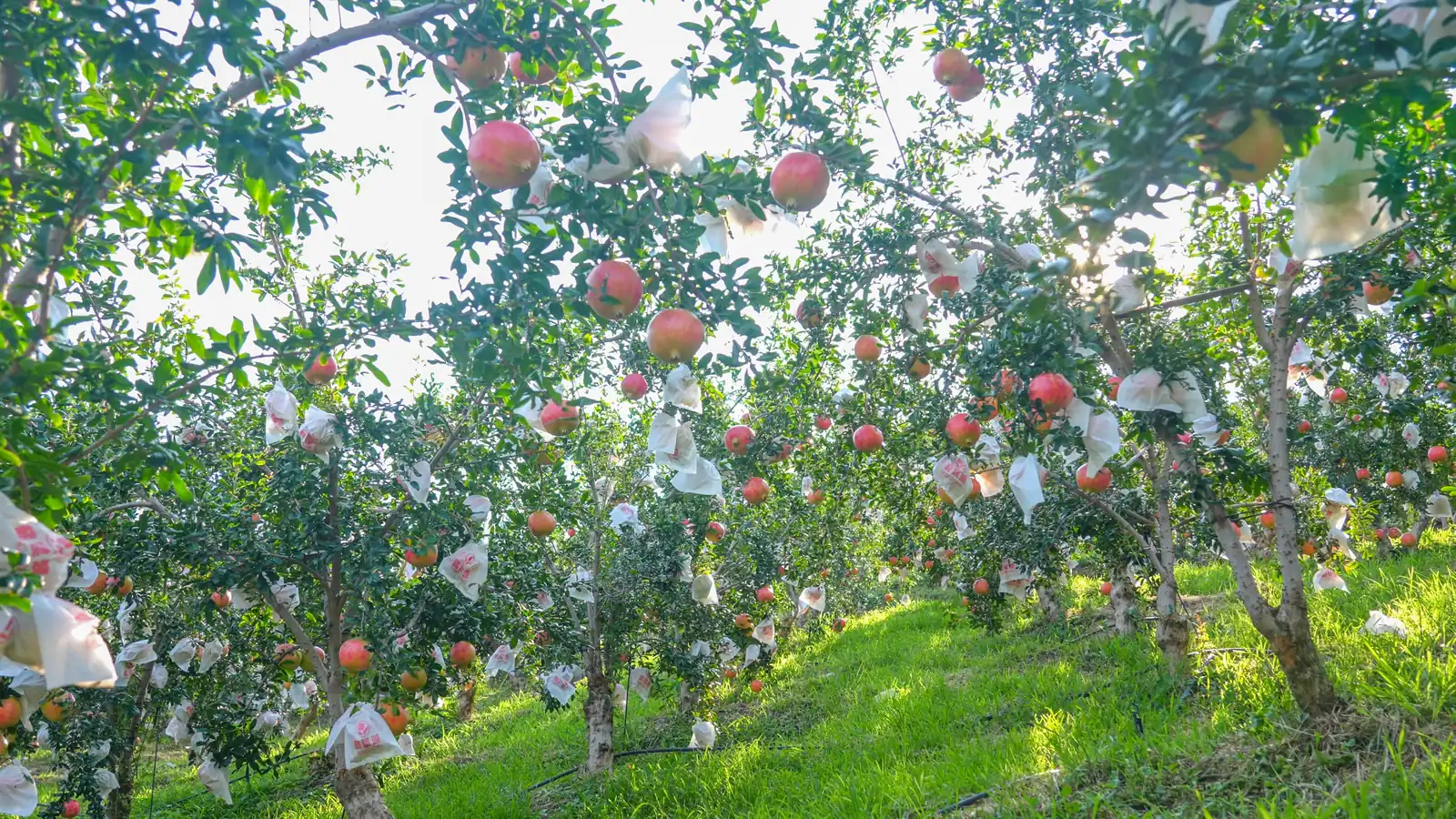
Huili is our family-group-owned pomegranate base. Our five growing regions are on group-owned land and are operated through companies registered by members of the same fruit-business family. These related companies form our shared growing and fruit business.
Yunnan has blueberries and prunes, while Xinjiang also has prunes. Yunnan Blueberry therefore has a direct fruit-and-region naming connection, whereas a French Prune enquiry should identify whether the proposed fruit is associated with Yunnan or Xinjiang.
Keeping those two prune origins separate makes a buying brief easier to interpret. It also prevents an importer from treating all fruit under one product name as though it necessarily came from one district.
Read sourced lines differently
Ehime No.38 Jelly Orange and Green Honey Plum are sourced lines. Ehime No.38 is sourced from Meishan and Danling, while Green Honey Plum origin is confirmed per lot.
Meishan and Danling should not be added to the list of five group growing regions merely because they are named Ehime sourcing districts. The same principle applies when a lot-specific Green Honey Plum origin is provided: it identifies the proposed fruit, not an additional group growing region.
This difference is useful in purchasing files. A buyer can record the product, the proposed origin and the origin category separately—for example, family-group-owned growing region or separately sourced district—without making assumptions about land ownership, planted area or annual volume.
Turn the origin map into an enquiry
An effective origin-led enquiry begins with the exact fruit line and then asks for the origin relevant to the proposed lot. For French Prune, distinguish Yunnan from Xinjiang. For Green Honey Plum, confirm the lot’s origin. For Ehime No.38, retain the Meishan and Danling sourcing reference rather than classifying those districts as group growing regions.
The sales team reviews lot availability and terms case by case. To request a quotation, use the website enquiry form and include the fruit, destination, company, contact email, target quantity, packing preferences and required dates. This gives the sales team a clear basis for discussing the appropriate fruit and origin with you.
Sources and further reading
About Cunjindi
The six fruit lines
Growing regions and sourced fruit
Prepare and submit a buying enquiry