
What a reference season can tell you
A catalogue season is useful for early purchasing plans. It helps buyers identify whether a fruit may broadly fit a promotion, retail programme or sourcing period before requesting commercial details. However, it should be treated as a starting point rather than a shipment calendar.
Cunjindi’s catalogue lists Chunjian Tangerine from Jintang, Sichuan, China, with a reference season of December to March. Yunnan Blueberry, from Xishuangbanna, Honghe and Chengjiang, has a catalogue reference season of December to May. These periods are variety references, not confirmed picking or shipment dates.
That distinction matters when a programme is built around a particular arrival week. A reference season can support initial product selection, but the proposed lot must still be discussed against the buyer’s actual schedule.
Pomegranate supply seasons work differently
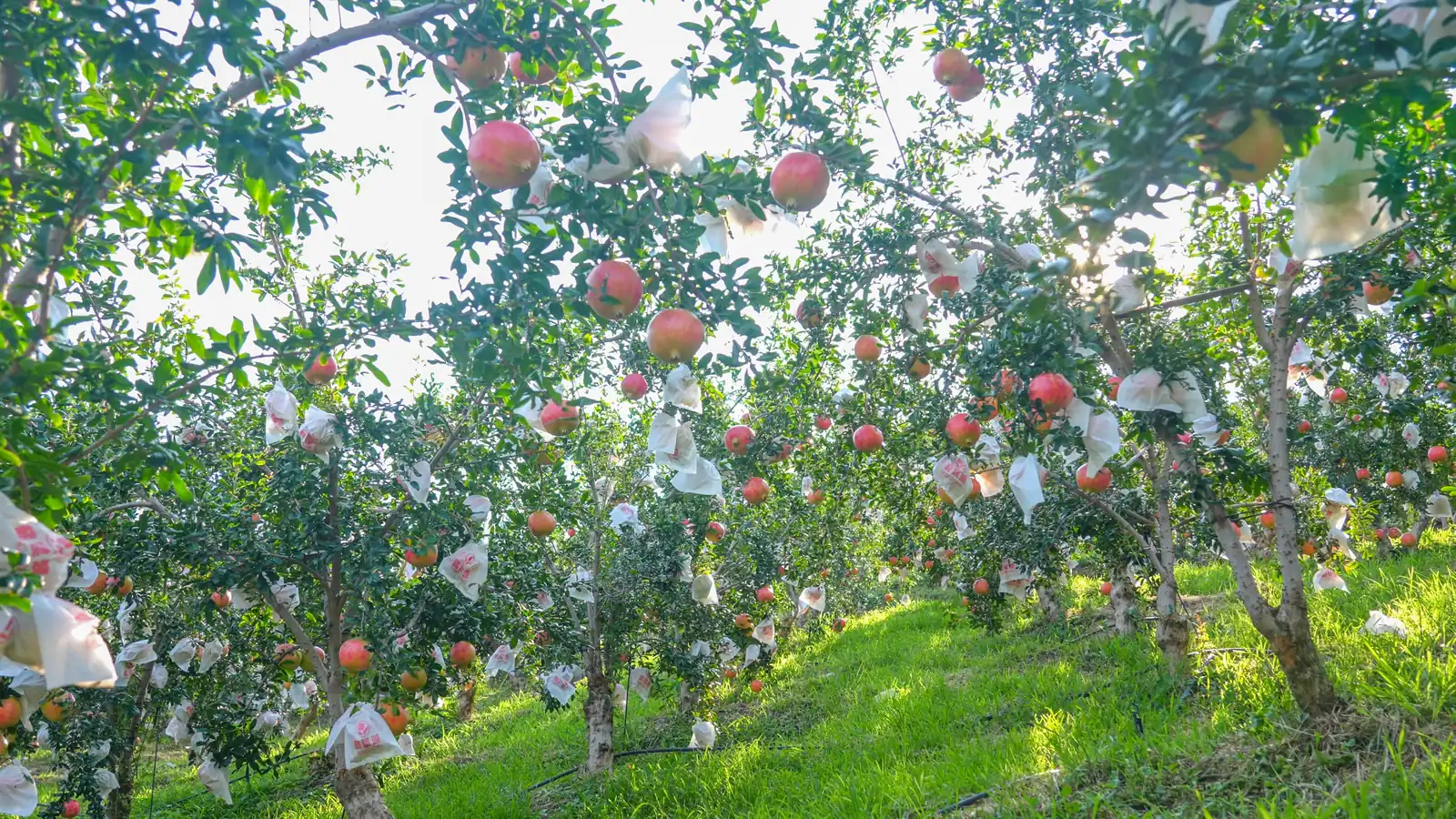
For pomegranates, supplier-confirmed supply seasons are August to November for soft-seed fruit and August to February for sweet-tart fruit. These windows do not confirm current stock quantities or specific picking and dispatch dates.
Importers can use these seasons to decide which pomegranate type is more relevant to their planning period. The next step is not to assume that fruit can leave on any date within the window, but to present the intended timing in an enquiry so that availability can be checked for the proposed order.
This also prevents two different questions from becoming mixed together. “Is this fruit associated with my purchasing period?” is a planning question. “Can a suitable lot be packed and shipped for my required dates?” is an order question.
Translate the calendar into two useful dates
The two most useful timing conditions are the desired delivery window and any acceptable alternative window. Giving both allows the supplier to understand the commercial target without treating a broad seasonal reference as a fixed dispatch commitment.
For example, a buyer considering Chunjian or blueberries should not submit only “December to March” or “December to May.” Those ranges repeat catalogue information but do not explain when the fruit is needed. Instead, the enquiry should identify the intended destination and the dates relevant to the buying programme.
Current grade, packing and availability for both products are confirmed for the enquiry. Price, minimum order, packing, quantity, destination requirements, payment and shipment dates are also reviewed for the specific enquiry.
Move from planning to a lot-specific discussion
A useful order conversation therefore has three separate layers: the variety reference, the buyer’s required dates and the supplier’s confirmation for the proposed lot. Keeping them separate makes it easier to compare fruit options without turning a catalogue season into an unsupported delivery promise.
Cunjindi’s website enquiry form asks for fruit, destination, company, contact email, target quantity, packing preferences and dates. The sales team reviews lot availability and terms case by case. If you are planning an upcoming fruit programme, use the form to share those details and begin a lot-specific buying discussion.
Sources and further reading
Availability and commercial details
Chunjian Tangerine
Yunnan Blueberry
Prepare and submit a buying enquiry