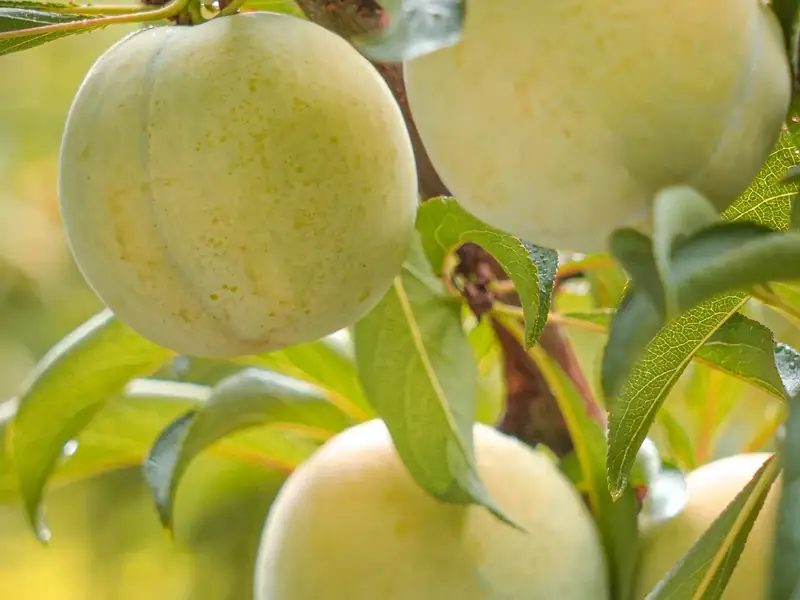
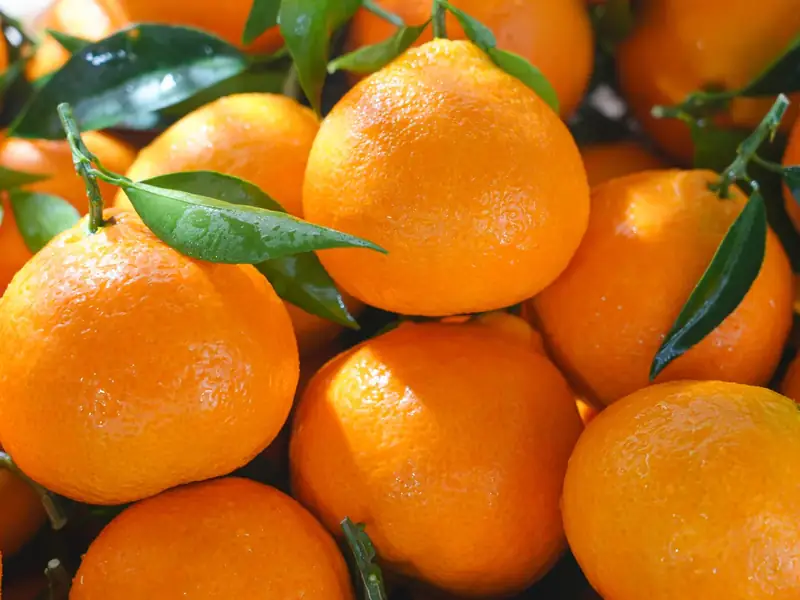
Start with the commercial identity
A useful enquiry begins with an unambiguous product name. Cunjindi lists Ehime No.38 Jelly Orange as a sourced fruit line from Meishan and Danling, Sichuan. Meishan and Danling are sourcing districts for this line, not additional Cunjindi group growing regions.
State “Ehime No.38 Jelly Orange” in the request and ask for the exact origin of the proposed lot. This matters when comparing offers, checking documents or keeping internal purchasing records. It also prevents a broad reference to Sichuan citrus from replacing the more precise product and sourcing information you need.
Its catalogue reference season is September to December, but this does not establish picking or shipment dates for an order. All catalogue figures are references; exact origin, current grade, packing and availability are confirmed for the enquiry.
Translate the fruit reference into a buying target
The catalogue reference gives a fruit diameter of 60–90 mm and a fruit weight of 192.5–250 g. These ranges are a starting point for discussion, not a reason to leave the requested grade open.
Tell the sales team whether the full reference range is acceptable or whether your programme requires a narrower size band. Diameter is usually the clearer first specification for visual uniformity, while fruit weight can provide a useful secondary reference. If your customers prefer a particular display size, describe that commercial target rather than simply repeating every catalogue figure.
The catalogue Brix reference is 15. Use it to identify the fruit line, but base purchasing decisions on the specifications confirmed for the proposed lot. Avoid converting a catalogue value into an undeclared shipment-lot minimum.
A practical fruit specification might therefore name the variety, requested origin confirmation, preferred diameter and any acceptable alternative range. This gives the supplier enough structure to review the request without implying that a particular grade is already available.
Separate net weight from presentation
The catalogue packing references are 2.25 kg, 4.25 kg and 5 kg net. Choose the preferred net weight according to your sales channel, handling needs and expected retail or wholesale presentation.
Net weight alone does not fully describe a pack. Add the presentation you want reviewed, such as the general carton or gift-box format, together with relevant labelling needs. If more than one catalogue weight could work, identify a first choice and an acceptable alternative instead of requesting an undefined packing proposal.
For example, a buyer could request the 4.25 kg net reference as the preferred option and ask whether 5 kg net can be considered as an alternative. Keeping those options clearly ranked makes later comparisons easier.
Put the enquiry into one workable brief
A concise request can read: “Please review Ehime No.38 Jelly Orange for our market. Confirm whether the proposed lot is from Meishan or Danling. Our preferred fruit diameter is [range], with [net weight] packing and [presentation or labelling requirements]. Destination is [market], target quantity is [quantity], and required timing is [dates].”
The website enquiry form requests the fruit, destination, company, contact email, target quantity, packing preferences and dates. The sales team reviews lot availability and commercial terms case by case.
To discuss an Ehime No.38 requirement, send these details through Cunjindi’s website enquiry form so the requested origin, fruit reference and packing can be assessed together.
Sources and further reading
Ehime No.38 Jelly Orange
Growing regions and sourced fruit
Brand packaging and order specifications
Prepare and submit a buying enquiry
Availability and commercial details