Start with the lot, not a map assumption
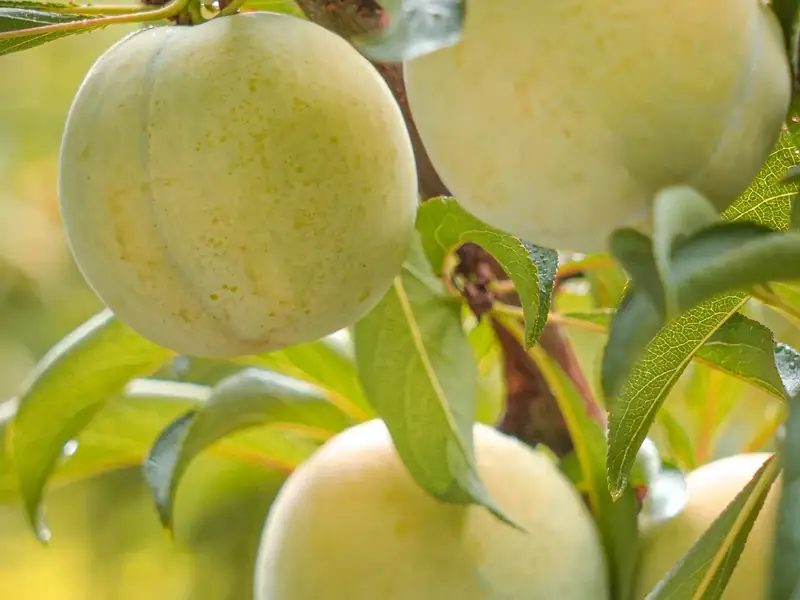
When assessing Green Honey Plum, the first practical question is not simply where the variety is usually associated with, but where the fruit in the proposed commercial lot was grown. Green Honey Plum is a sourced fruit line, and its growing area is confirmed per lot.
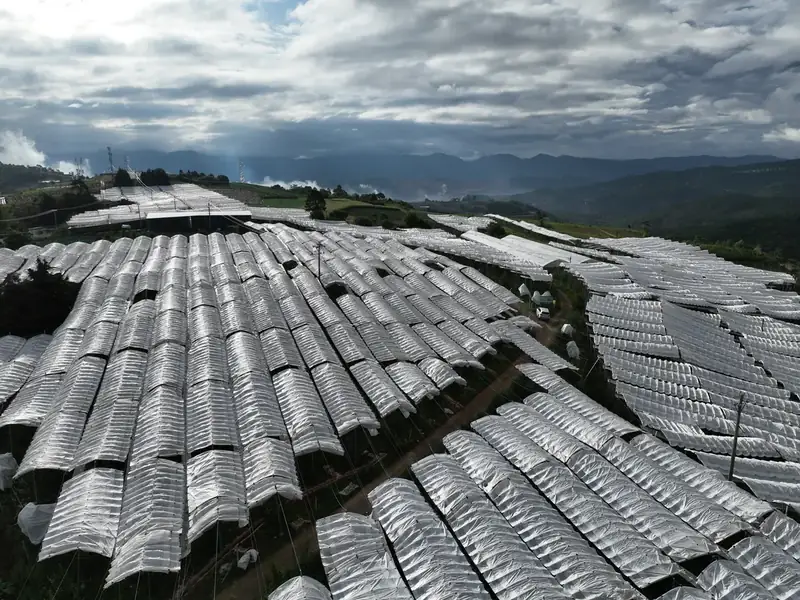
That distinction matters because a familiar regional name can easily become an unsupported assumption in a buying brief. Cunjindi identifies Jintang, Huili, Yunnan, Xinjiang and Hunan as its five group growing regions, while Green Honey Plum origin is confirmed per lot. The origin of a proposed plum lot should therefore be requested directly rather than inferred from another fruit category, a company location or a catalogue photograph.
For importers and wholesale buyers, recording the proposed origin at the start also makes later comparisons clearer. Two offers described with the same variety name should not automatically be treated as the same sourcing proposition if their lot origins have not yet been stated.
Use catalogue figures as a comparison framework
The Green Honey Plum catalogue reference season is June to July, but this is a variety reference rather than confirmation of picking or shipment dates. It can help buyers decide when to begin discussions, but it should not be entered into a purchasing plan as a fixed dispatch window.
The catalogue also lists reference fruit size of 40–50 mm, fruit weight of 40–70 g and Brix of 17–19, all subject to confirmation for the lot. These figures are useful as a starting framework when checking whether a proposed lot suits a market programme. They should remain clearly labelled as catalogue references until the supplier confirms the relevant lot specification.
This approach avoids turning a general product page into a shipment promise. It also allows the buyer to compare the confirmed offer against the original reference without confusing the two.
Keep origin and packing as separate fields
Origin answers where the proposed fruit was grown; packing answers how it is to be presented and handled commercially. Combining them into one assumption can create an incomplete enquiry, particularly when an image appears to show both fruit and branded packaging.
The approved Cunjindi brochure includes packaging designs for plums, but a pictured design does not establish the packing for a particular shipment. Buyers should specify the desired net weight, presentation and labelling needs in the enquiry. Actual packing is confirmed for the individual enquiry.
Ask for two items together: the proposed lot’s exact growing origin, and a lot specification covering grade, size or weight, Brix reference, packing and availability. This keeps the origin question central while still giving the supplier enough context to assess the requirement.
Build the enquiry around the proposed lot
Current Green Honey Plum grade, packing and availability are confirmed for the enquiry. Price, minimum order, quantity, destination requirements, payment and shipment dates are also reviewed for the specific enquiry rather than established by catalogue references.
If you are evaluating Green Honey Plum for an import or wholesale programme, send the proposed destination, target quantity, packing preference and required dates through the website enquiry form, and ask for the exact origin of the lot being offered.
Sources and further reading
Green Honey Plum
Growing regions and sourced fruit
Brand packaging and order specifications
Availability and commercial details
Prepare and submit a buying enquiry