
Why “fresh prunes” is not a complete description
For an importer, naming the fruit is only the first step. Cunjindi lists French Prune with Jiashi, Xinjiang as an origin and notes that it is also grown in Yunnan. Both Xinjiang and Yunnan are group growing regions associated with prunes.
That distinction belongs near the top of the enquiry. Write “French Prune—Jiashi, Xinjiang” or “French Prune—Yunnan” when one region is required. If either region can be considered, state that clearly and ask for the proposed lot’s origin to be identified in the reply.
This keeps regional preference separate from grade, packing and commercial terms. It also prevents photographs or specification sheets from being discussed without a clear connection to the fruit under consideration.
Keep the season reference in context
The French Prune product page gives August to September as its catalogue reference season. This is a variety reference rather than confirmation of current picking or shipment dates.
A buyer should therefore avoid using that late-summer reference as proof that fruit from both regions follows an identical timetable, or that a current lot is available. Instead, give the dates that matter at destination and request confirmation against the specific origin and lot being proposed.
Current grade, packing and availability are confirmed for the enquiry. This is the key condition when comparing a catalogue entry with a live purchasing requirement.
Let photographs and specifications answer different questions
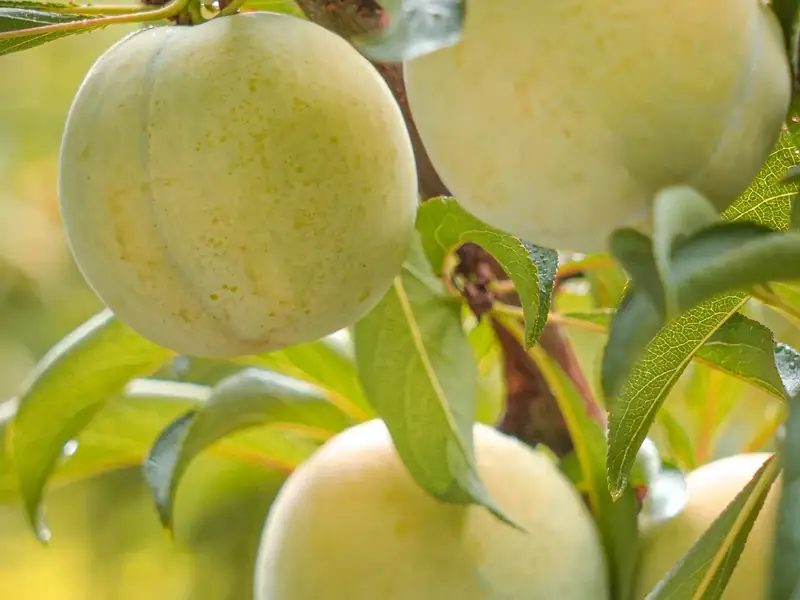
Photographs are most useful when the buying team explains what it wants to inspect. Rather than asking only for “product photos,” specify views such as whole fruit, fruit beside a size reference, open retail presentation, outer carton markings or a representative packed unit. Ask that each image be identified by origin and, where relevant, by the proposed lot.
The catalogue references fruit weight of 60–100 g, with an average of 76 g, Brix of 20 and over, and an 800 g retail pack. These figures provide useful comparison fields, but they should be reconfirmed for the lot rather than treated as shipment guarantees.
Keep the fields separate in the brief: required size or weight range, requested sweetness information, acceptable appearance, and packing format. This makes it easier to see whether a response matches the commercial need or merely repeats a catalogue description.
Describe the format needed at receiving
“Retail pack” does not fully describe how an importer expects to receive and handle the fruit. State the desired net weight, presentation and labelling needs. Actual packing is confirmed for the enquiry, and a pictured packaging design does not establish the packing used for a particular shipment.
Also include destination, company name, contact email, target quantity and required dates. Cunjindi accepts buying enquiries through its website form or at sales@cunjindi.com, with lot availability and terms reviewed case by case.
To discuss fresh prunes, send an enquiry naming the preferred region—or confirming that both Jiashi, Xinjiang and Yunnan may be considered—together with your receiving format, quantity, destination and dates.
Sources and further reading
French Prune
Growing regions and sourced fruit
Brand packaging and order specifications
Availability and commercial details
Prepare and submit a buying enquiry