Start with the origin that identifies the fruit
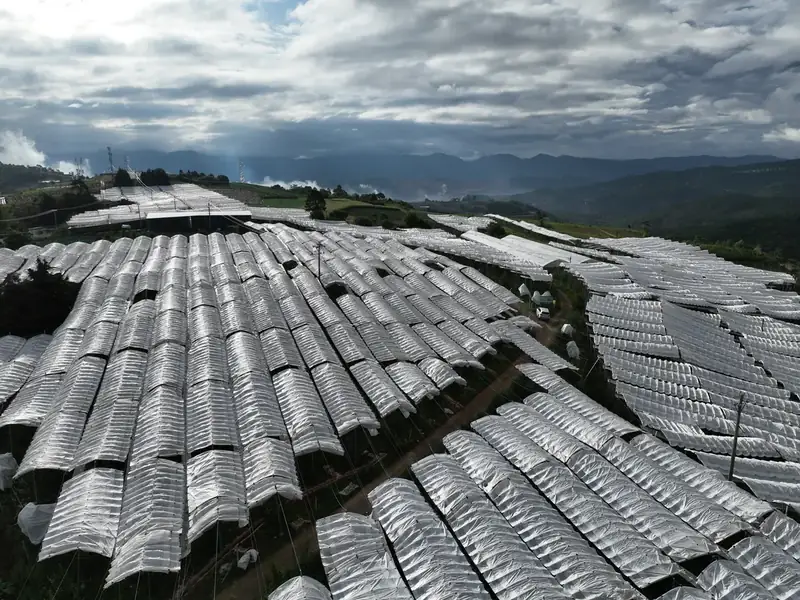
For a Chunjian buying brief, “Jintang, Sichuan” is the relevant origin statement. Chunjian Tangerine is listed with Jintang, Sichuan as its origin, and Jintang is presented as a citrus-growing region within the wider family business group.
This wording gives buyers a clear geographical reference without adding unsupported claims about orchard conditions. Climate, soil, cultivation methods and other technical origin details should not be assumed from the place name alone. If those factors matter to your programme, they can be raised as specific questions for the proposed lot.
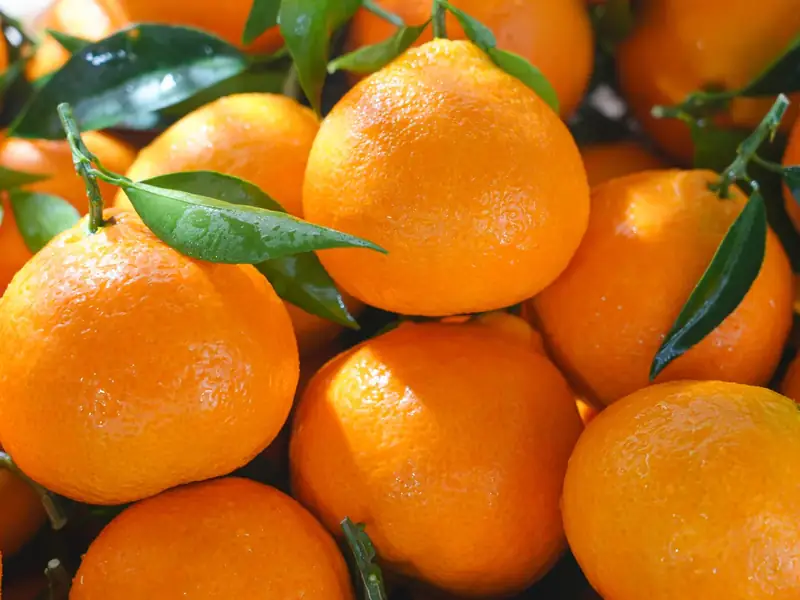
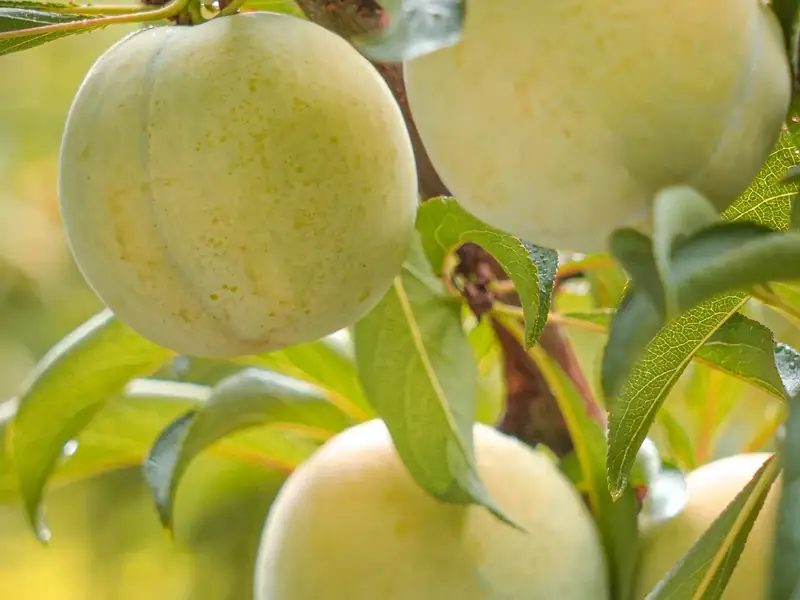
Catalogue or origin photographs can help your team communicate the general fruit identity and intended presentation. They should not, however, be treated as evidence of the appearance, colour distribution, size or condition of a lot being offered for shipment. In a buying brief, describe the commercial result you need rather than asking a photograph to function as a specification.
Keep Jintang and Pujiang in their correct roles
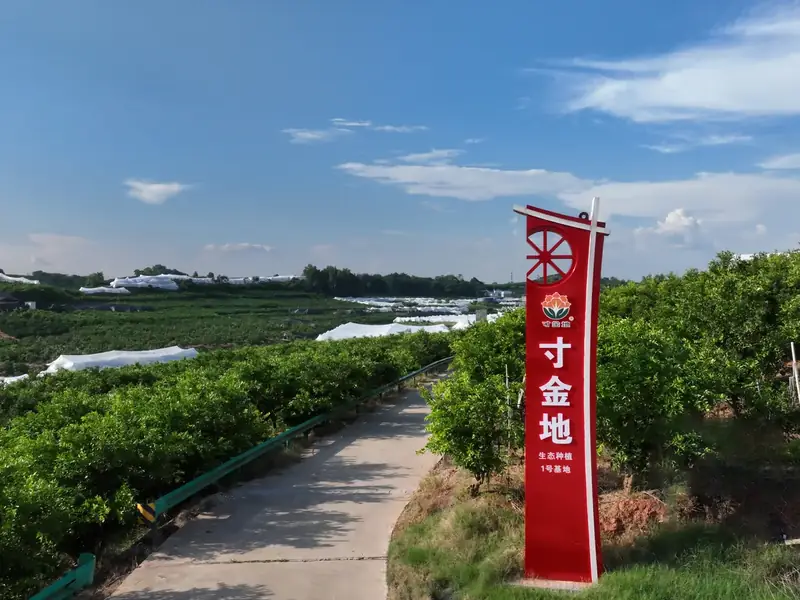
Cunjindi is the fresh-fruit brand of Pujiang Tangguo Agricultural Technology Co., Ltd. Pujiang, Sichuan is a company and sorting location, while Jintang is the citrus-growing region associated with Chunjian.
That distinction is useful in purchasing documents. The origin line can identify Jintang, Sichuan, while operational correspondence may refer to the company or sorting location in Pujiang. Keeping the two places in their proper roles prevents an importer’s internal product sheet, supplier record or label discussion from accidentally presenting the sorting location as the fruit origin.
Buyers should also avoid reading the group’s regional presentation as a claim that every location or activity belongs to one legal entity. The growing regions presented on the site cover the family business group.
Translate catalogue references into enquiry details
The Chunjian catalogue gives a reference season of December to March, a Brix reference of 13.2–20 and net packing references of 1.5, 2.5, 4, 4.5 and 5 kg. These figures are useful starting points for a conversation, not automatic specifications for a shipment.
A stronger brief turns those references into direct requirements. State your destination, target quantity and preferred net pack, then explain the grade, size presentation or sweetness expectations relevant to your market. If a particular Brix level is commercially important, identify it as a requested lot specification rather than quoting the full catalogue range without context.
Current grade, packing and availability must be confirmed for the specific enquiry; catalogue references do not confirm picking or shipment dates.
Build a brief the supplier can assess
A practical enquiry should identify Chunjian Tangerine, Jintang origin, destination market, buying company, contact email, target quantity, packing preference and required dates. It can also state how the fruit will be sold—for example, whether the pack is intended for wholesale redistribution or retail preparation—so the requested presentation is easier to understand.
Use the website enquiry form to place these details directly in the text fields. The sales team reviews lot availability and commercial terms case by case. A concise, origin-correct brief gives both sides a better basis for discussing the actual lot, packing and shipment plan.
Sources and further reading
About Cunjindi
Prepare and submit a buying enquiry
Availability and commercial details
Chunjian Tangerine
Growing regions and sourced fruit