Start with what the photograph actually shows
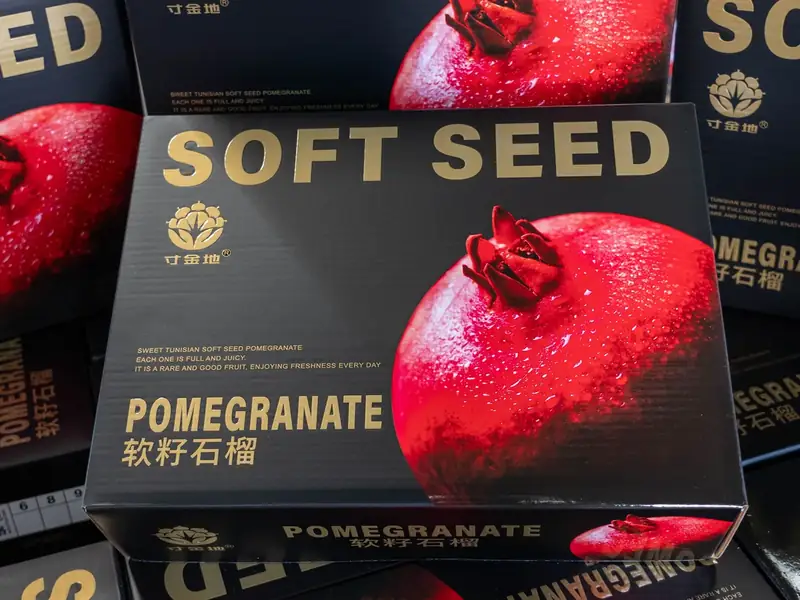
A packaging photograph can help a buyer communicate the intended look of a fruit offer. It may show an outer carton, a gift-style box, an inner tray, a punnet, protective material or the general position of a label. These observations provide a visual reference, not a complete packing specification.
The approved Cunjindi brochure shows packaging designs for citrus, pomegranates, prunes, blueberries and plums. A pictured design is not proof of the packing used for a particular shipment. Catalogue packing references appear on the individual fruit pages.
When sharing a photograph, identify the feature that matters. For example: “We prefer this open-top presentation,” “Please review a similar inner tray,” or “The label should be visible on the short side.” This is more useful than asking for “the same box,” because the photograph may not reveal dimensions, materials, net weight or the arrangement beneath the top layer.
Do not calculate carton quantities, pallet counts or container loads from a brochure image. Likewise, visible branding should not be treated as confirmation that custom printing is available for the enquiry.
Define net weight and presentation separately
Net weight answers how much fruit the buyer wants in each sales unit. Presentation describes how that fruit should be arranged and protected. Keeping these points separate reduces ambiguity.
A practical brief might state a preferred net weight per carton or retail unit, followed by the desired format: loose fruit, an inner tray, individual retail packs or a gift-style presentation. If the photograph shows several layers or compartments, describe what you can see without assuming the exact fruit count.
It is also useful to explain the commercial purpose. A wholesale market carton, supermarket-ready unit and premium presentation box can have different handling and display priorities. The buyer does not need to design the final structure, but should make clear which features are essential and which are simply visual preferences.
Write label and warehouse needs as instructions
Label requests should specify the information and placement required by the destination or receiving business. Buyers can list the preferred product name, net weight declaration, language, importer details, barcode requirements or other market-specific text for review. A marked-up description such as “main label on the long side” is clearer than referring generally to the label in the photograph.
Warehouse information is equally practical. State any preferred outer dimensions, weight limits, opening style, stacking considerations or receiving constraints. If the carton must fit existing shelving, repacking stations or retail displays, provide the relevant measurements. These details allow the packing discussion to begin from the buyer’s actual handling environment rather than from the appearance of a brochure image alone.
Send a brief that can be checked against the order
Actual packing is confirmed for the enquiry. Price, minimum order, packing, quantity, destination requirements, payment and shipment dates are reviewed for the specific enquiry.
A useful submission therefore combines the fruit name, destination, company, contact email, target quantity, requested dates and packing preferences. Describe the photograph in words: desired net weight, presentation, label content and warehouse constraints. Clearly separate required features from optional preferences.
To discuss a suitable packing specification, enter these details in the website enquiry form. The more precisely the intended presentation and receiving needs are described, the easier it is for the sales team to review the request case by case.
Sources and further reading
Brand packaging and order specifications
Prepare and submit a buying enquiry
Availability and commercial details