A useful fruit quotation starts with a clear description of the order. Two offers for soft-seed pomegranates may refer to different fruit sizes, packing formats or delivery arrangements. Giving suppliers the same brief makes their answers easier to compare and gives your buying team a clearer basis for the next conversation.
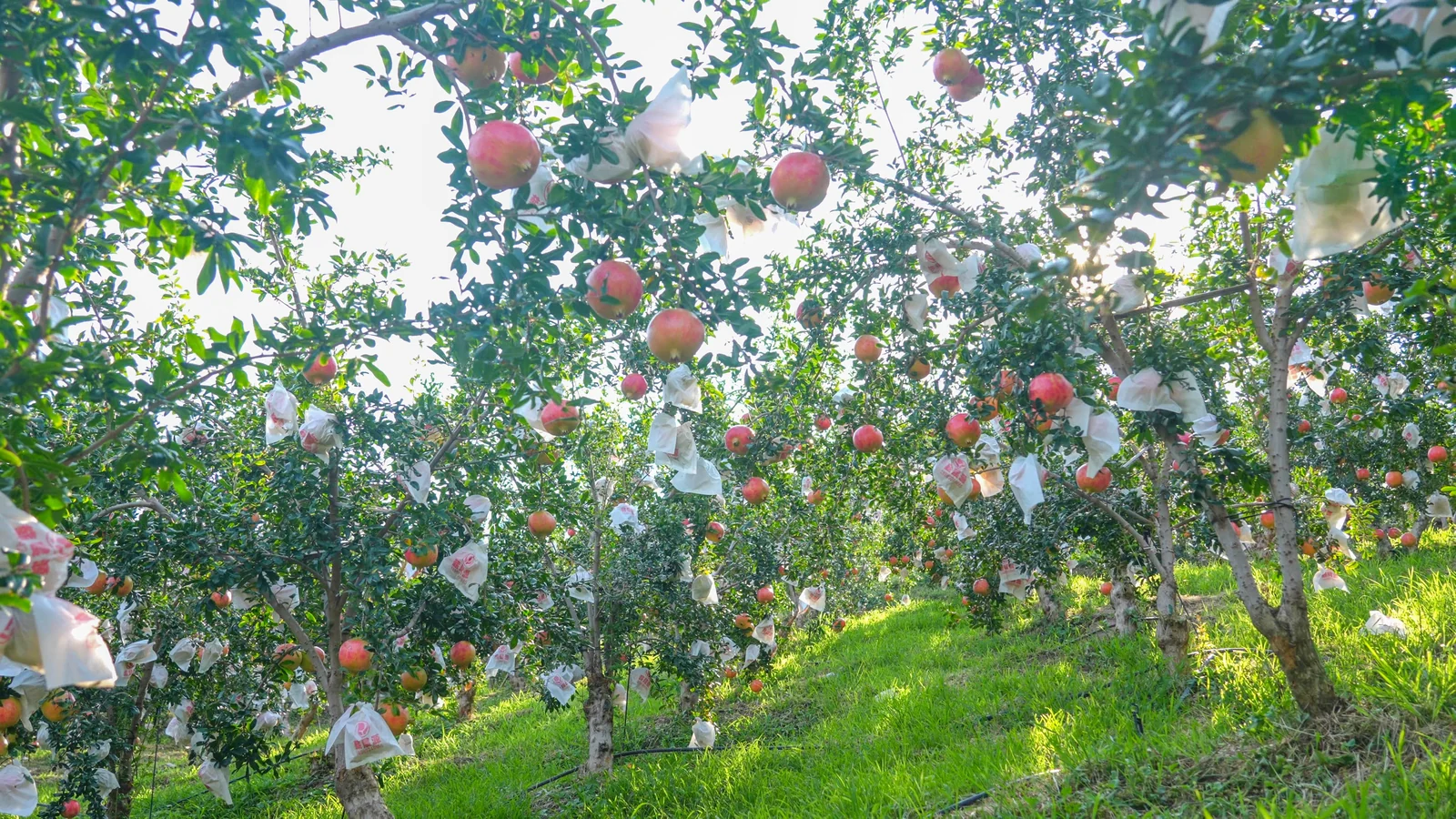
Cunjindi's soft-seed pomegranate line comes from Huili, Liangshan, Sichuan. The brand's materials describe a cooperation base there, while Pujiang is a company and sorting location. Keeping those places distinct helps an enquiry follow the fruit from its growing region to the work that prepares it for packing.
Start with the destination and the intended use
First, name the destination country and port or airport, if you know it. Add whether you are buying for wholesale distribution, supermarket shelves, gift retail or food service. A supplier needs to understand where the fruit is going and how your customer expects to receive it. If the arrival point is still being decided, say that clearly.
Second, describe the fruit grade you want. Share your preferred weight range, appearance requirements and any specification sheet already used by your business. Avoid relying on grade names alone: a label such as premium does not tell another person which fruit belongs in the carton. Photographs can support the discussion, but the written specification should explain the requirement.
Give the packing as much attention as the fruit
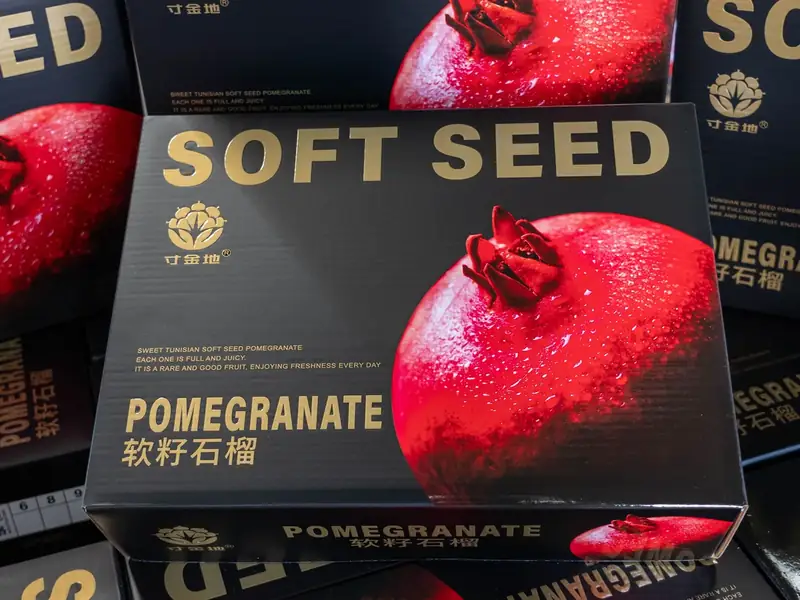
Third, explain the packing format. Tell us whether you want to discuss a branded carton, a retail presentation or another format your buying team has specified. Include your desired net weight, labelling language and any requirements from the receiving warehouse. If you have a reference photograph, identify whether it shows the presentation you prefer or an exact specification you need.
Cunjindi's brand collection includes pomegranate packaging designs. These provide a useful visual starting point. The design shown in a brochure and the packing agreed for a particular order should be treated as separate things until the order details have been reviewed.
Fourth, state the quantity and the unit. A request expressed in cartons means little without a carton weight. If your plan is preliminary, label the quantity as an estimate and explain whether you expect one delivery or a sequence of orders. This keeps the discussion useful without making an early estimate look like a firm purchase commitment.
Connect the dates, checks and commercial terms
Fifth, give the delivery window you are working towards. Distinguish the date you need fruit at destination from the date you want it dispatched. Current pomegranate availability and shipment timing need a review for the particular enquiry; a historical harvest reference does not establish the dates for your order.
Sixth, list the documents and checks your buying team needs to assess an offer. Include your preferred delivery term and named place, any inspection request, and the information your receiving team wants about the lot. These are items to review together before the buying brief becomes an agreed order.
A CCTV-13 report in September 2025 showed appearance, internal-quality and weight checks on the pomegranate line. That archive offers context for discussing grading today. Your own enquiry should still say which characteristics matter to your market.
Ready to discuss a lot? Send the fruit, destination, grade, packing, quantity and dates through our enquiry form. Describe your existing specification if you have one, and our export team can review the request with the relevant details in view.
Sources and further reading
Cunjindi soft-seed pomegranate product facts
Cunjindi Brand Brochure
CCTV-13: Huili pomegranates reach Russia